Nintendo of America Faces Public Backlash and Class Action Lawsuit Over Tariff Refunds and Major Customer Appreciation Sale

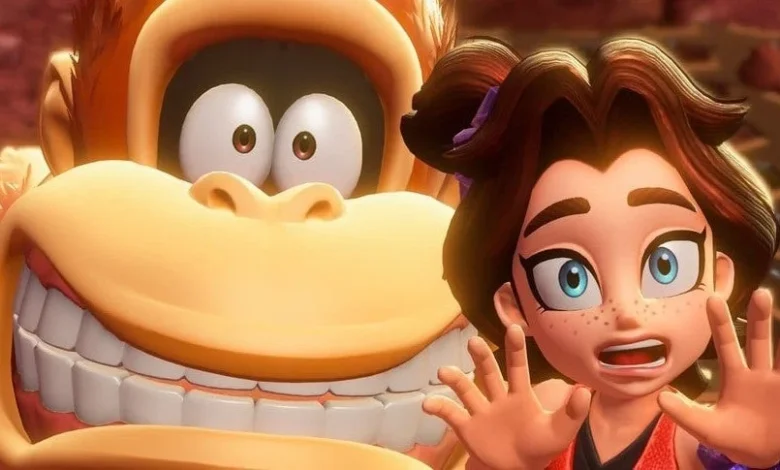
Nintendo of America has found itself at the center of a growing consumer relations and legal controversy following the announcement of what the company describes as one of its largest promotional events in history. Titled the "Customer Appreciation Sale," the event has drawn sharp criticism and bewilderment from industry analysts and consumers alike due to a specific disclosure in Nintendo’s official promotional material: the admission that the discounts are partially funded by government tariff-related refunds that were never passed on to the retail buyers who originally bore the cost.
This latest development unfolds against a complicated backdrop of macroeconomic friction, ongoing class action litigation involving the major console manufacturers, and mounting scrutiny regarding how multi-national corporations navigate international trade policies within the United States market.
Background Context and Economic Pressures
The roots of this controversy extend back to the implementation of sweeping import tariffs introduced by the United States government. As import duties on electronic components, hardware systems, and consumer electronics scaled upward, major technology and video game hardware manufacturers faced significant financial pressures. Companies that rely heavily on overseas manufacturing—primarily in Asia—were forced to absorb billions of dollars in additional import expenses or pass those costs down to the end consumer.
In response to these market conditions, Nintendo of America elected to adjust the retail pricing of several key hardware products, accessories, and software packages across the United States. Consumers purchasing Nintendo Switch consoles and associated peripherals during this period faced noticeably higher price points. Nintendo publicly maintained that it absorbed a substantial portion of the overall financial burden, but the price hikes directly impacted everyday gamers.
Subsequent legal and regulatory shifts eventually allowed qualifying corporations to recover portions of those expenditures through government tariff-related refunds. However, while corporate entities like Nintendo successfully reclaimed these funds, the everyday consumers who purchased hardware and software at inflated prices received no direct financial compensation or retroactive rebates.
The Customer Appreciation Sale Announcement
The friction intensified when Nintendo of America published a blog post outlining its upcoming "Customer Appreciation Sale." Scheduled to run from September 13 through September 26 across the Nintendo eShop, the official online Nintendo Store, and participating physical retailers, the promotion offers discounts on a variety of prominent video games and system peripherals.
While sales and promotional discounts are typically welcomed by the gaming community, a specific sentence within the announcement caught the attention of economists, journalists, and consumers. Nintendo stated: "While Nintendo absorbed most tariff-related costs, the refunds helped make promotions like this one possible."
The phrasing immediately triggered widespread confusion and public backlash. Critics pointed out the apparent contradiction of a company thanking consumers for their loyalty while simultaneously revealing that the discounts being offered were financed by refunds stemming from costs previously shifted onto those exact consumers. Rather than viewing the sale as a gesture of goodwill, many community members and industry observers characterized the campaign as tone-deaf, arguing that a more equitable approach would have been a permanent price reduction on affected hardware or direct refunds to the affected customer base.
Conversely, some market commentators suggested that dismissing a rare opportunity for discounted video games and hardware during an inflationary economic climate overlooks the immediate financial relief the sale provides to active shoppers. Nonetheless, the dominant discourse quickly pivoted to the ethics of corporate fund allocation following trade dispute resolutions.
Legal Battles and Industry-Wide Opposition
The controversy surrounding the tariff refunds is not merely a matter of public relations; it is also the subject of active litigation in United States federal courts. Nintendo of America is currently defending itself in a class action lawsuit filed by consumers who argue that the company is legally and ethically obligated to pass tariff-related refunds directly to the purchasers who funded the inflated retail prices.
Within the lawsuit, plaintiffs contend that corporate retention of these tax and tariff rebates amounts to unjust enrichment, asserting that consumers ultimately paid the price of the trade disputes. Nintendo, however, has firmly pushed back against these claims. In its legal defense, the company has maintained that it is under no legal obligation to distribute the refunds to retail customers, arguing that consumers ultimately received "what they bargained and paid for" at the time of their respective transactions—namely, the hardware and software goods at the agreed-upon retail price.
Nintendo is not alone in this legal defense. Major industry competitors Sony and Microsoft have similarly found themselves responding to parallel class action lawsuits concerning tariff-related refunds in the United States. All three console manufacturers have adopted a unified legal stance, arguing that import duties and subsequent governmental adjustments are matters of corporate supply chain management rather than direct liabilities owed to individual end-users. Legal experts note that these ongoing cases could establish significant legal precedents regarding how multinational corporations handle retrospective trade relief funds moving forward.
Public and Industry Reactions
The announcement of the Customer Appreciation Sale and the simultaneous defense of the class action lawsuit generated immediate commentary across digital platforms and industry forums.
Prominent video game industry analyst Mat Piscatella took to social media to express bewilderment at Nintendo’s corporate communications strategy, writing: "The Customer Appreciation Sale… is made possible in part by tariff-related refunds. While Nintendo absorbed most tariff-related costs, the refunds helped make promotions like this one possible. That’s…. not how sales work. Such odd framing."
Other consumers echoed similar sentiments, questioning the corporate logic of utilizing returned tariff money for temporary promotional sales rather than implementing permanent structural price adjustments or issuing direct consumer rebates. Questions circulated regarding why temporary markdowns were chosen over enduring price cuts for aging hardware cycles, particularly as the lifespan of the current generation of gaming hardware matures.
Broader Implications and Market Impact
As the debate continues to unfold, the situation highlights the complex intersection of global trade policy, corporate finance, and consumer advocacy within the modern interactive entertainment industry.
For Nintendo, the immediate focus remains on executing the promotional sales window while navigating the complex judicial landscape of the class action proceedings alongside its industry peers. While the discounts offered during the Customer Appreciation Sale may provide genuine financial relief to gamers looking to purchase software titles and peripherals during a high-cost economic climate, the long-term reputational impact of the tariff refund controversy remains to be seen.
As trade policies continue to evolve and class action lawsuits proceed through the American judicial system, the precedent set by Nintendo, Sony, and Microsoft will likely shape how multinational corporations communicate with their consumer bases during periods of economic instability and international trade disputes.