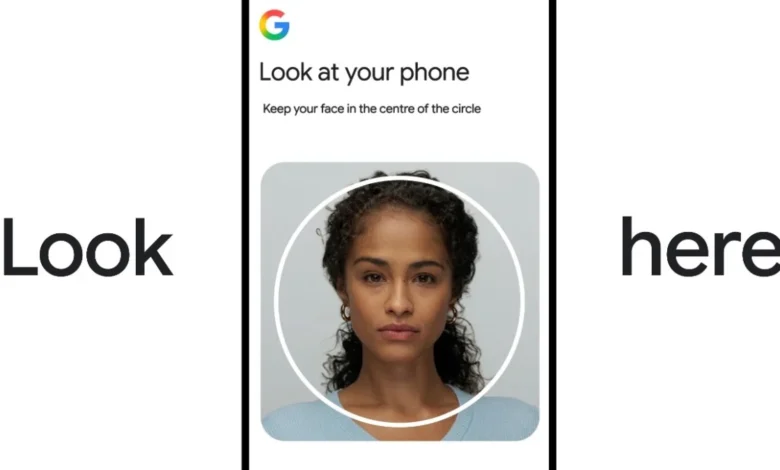
Google has announced the rollout of a new biometric authentication method, Selfie Video, designed to bolster account security and streamline recovery processes for its vast user base. This innovative approach leverages short video recordings of a user’s face to verify identity, joining Google’s existing suite of security-conscious sign-in options. Positioned as a crucial tool for regaining access to accounts when traditional methods like passwords or device access are unavailable, Selfie Video represents a significant step in the evolution of digital identity management.
The Mechanics of Selfie Video Verification
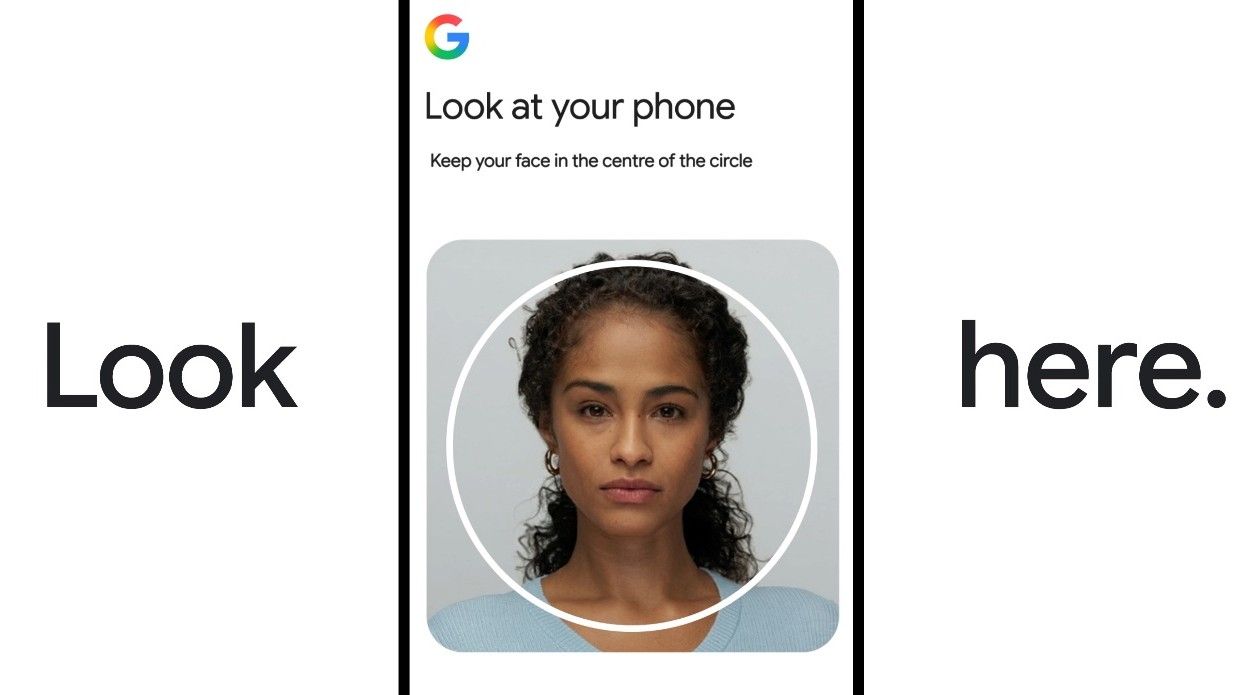
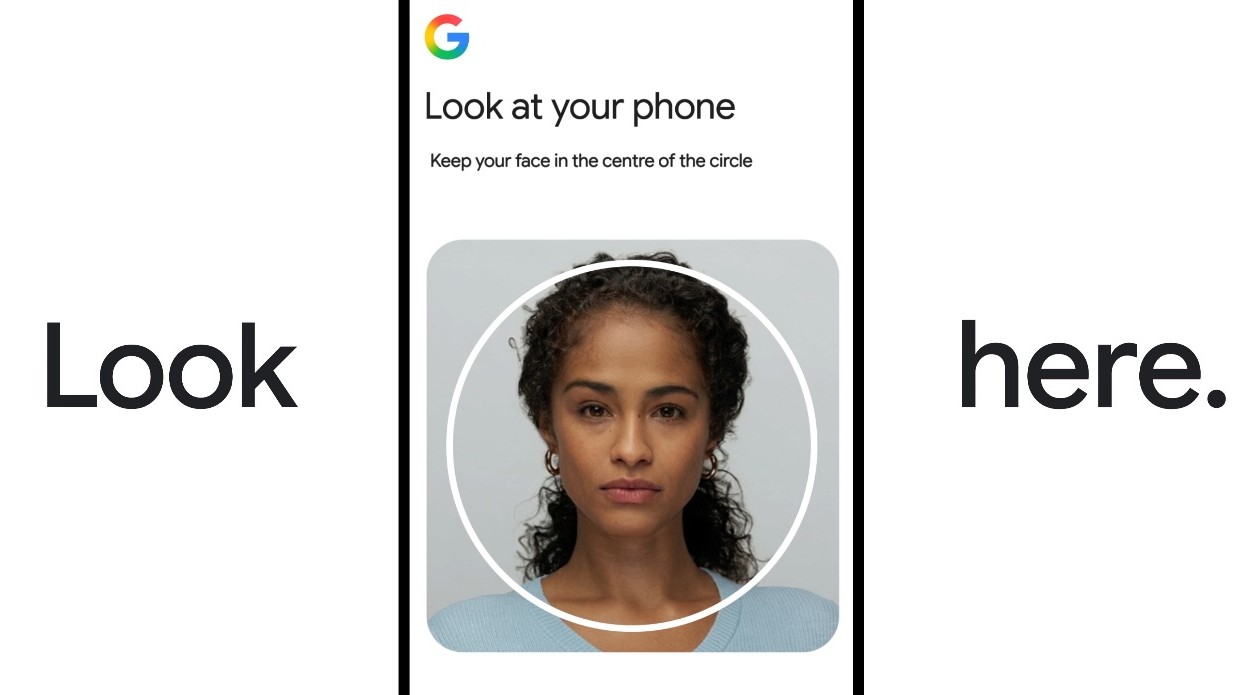
The implementation of Google’s Selfie Video system is designed for both ease of setup and robust verification. To enable the feature, users are guided through a simple initial recording process. This involves capturing a short video of their face while performing specific head movements, allowing Google’s advanced software to collect data from multiple angles. This initial recording serves as the authoritative biometric template, securely encrypted and stored on Google’s servers with explicit user consent.
When a user subsequently needs to sign into their account, particularly in scenarios where they might be locked out due to a forgotten password or lack of access to their usual devices, they can record a "new" Selfie Video. This live recording is then compared against the original, saved template. The system employs sophisticated algorithms to analyze facial features, movement patterns, and other biometric markers to confirm identity. This comparison is not merely a static image match but a dynamic verification, intended to be far more secure than traditional photo-based authentication.
Google emphasizes that this method is specifically for account sign-in and recovery. The company has publicly stated its commitment to user privacy, asserting that the recorded videos are saved for verification purposes only. Users retain complete control over their biometric data, with the option to delete their saved video at any time. Furthermore, Google clarifies that the video data will not be shared for additional purposes unless a user explicitly opts in, reinforcing its stance on data autonomy.
Addressing the "Locked Out" Scenario
The primary utility of Selfie Video lies in its application for account recovery. In an increasingly digital world, forgetting a password or losing access to a primary device (like a smartphone or computer) can lead to significant inconvenience and even critical disruption, especially for accounts linked to essential services. Traditional recovery methods often involve answering security questions, receiving codes via email or SMS, or contacting support, all of which can be time-consuming, prone to social engineering, or simply unfeasible under certain circumstances.
Selfie Video offers an alternative, more immediate solution. If a user is unable to provide their password or utilize two-factor authentication (2FA) due to device loss or damage, their registered facial biometric data can serve as a powerful identifier. This method aims to bridge the gap between user convenience and robust security, providing a personalized and resilient pathway back into one’s digital life. It complements other recovery options, such as recovery contacts, by offering a unique, personal biometric fallback.
Google’s Commitment to Security and Privacy
Google’s introduction of Selfie Video is underpinned by a strong narrative around enhanced security and stringent privacy safeguards. The company is acutely aware of public concerns regarding biometric data and has outlined several layers of defense designed to protect user accounts and data. Crucially, Google’s system is engineered to combat sophisticated impersonation attempts, including deepfakes, fake photos, and manipulated videos. This "liveness detection" capability is vital in an era where AI-generated content can be alarmingly realistic. By analyzing subtle cues like micro-expressions, eye movements, and skin texture, the system can discern between a live person and a static image or a digitally altered video.
The encryption of saved biometric videos on Google’s servers is a foundational security measure. This ensures that even if a breach were to occur, the raw biometric data would remain unintelligible without the decryption key, which is kept separate. User consent is paramount, meaning the feature is opt-in, and individuals must actively choose to use and store their biometric video. This empowers users with agency over their personal data, aligning with broader privacy principles.
The Broader Evolution of Digital Authentication
The rollout of Selfie Video is not an isolated event but rather a continuation of a decades-long evolution in digital authentication. Early internet days relied solely on passwords, which, while simple, proved to be highly vulnerable to various attacks like brute-force attempts, dictionary attacks, and phishing. The subsequent introduction of two-factor authentication (2FA) marked a significant improvement, adding an extra layer of security by requiring a second piece of information, typically a code sent to a mobile device.
The late 2010s saw the widespread adoption of biometrics at the device level, with features like Apple’s Face ID and Android’s Face Unlock becoming standard on smartphones. These methods provided seamless and secure access to devices, paving the way for biometrics to be considered for account-level authentication. Google, a major player in the digital ecosystem, has been at the forefront of pushing for more robust and user-friendly security solutions.
The Rise of Passwordless Solutions and FIDO Alliance
Selfie Video also fits into Google’s larger strategy to move towards a passwordless future. Passwords, despite their ubiquity, remain a significant weak link in the security chain due to human factors like reuse, weakness, and susceptibility to phishing. In 2023, Google made passkeys available as a default option for personal accounts, marking a significant milestone in this transition.
Passkeys, developed in collaboration with the FIDO Alliance (Fast Identity Online Alliance), represent a paradigm shift. The FIDO Alliance is an open industry association working to develop and promote authentication standards that reduce the world’s over-reliance on passwords. Passkeys leverage cryptographic key pairs stored securely on users’ devices, eliminating the need to remember complex character strings. They are reportedly up to 40% faster than typing passwords and offer superior protection against phishing, as the cryptographic keys are tied to specific websites and cannot be easily tricked into authenticating to a fake site.
While passkeys are lauded for their security and convenience, they are still a relatively new technology and face adoption challenges. Issues such as cross-device compatibility, user education, and ecosystem integration are gradually being addressed. Selfie Video, while not a direct replacement for passkeys, serves as a complementary mechanism, particularly for recovery, reinforcing Google’s multimodal approach to securing user accounts.
The Deepfake Challenge and Google’s Countermeasures
The advent of sophisticated AI technologies has brought with it new threats, most notably deepfakes. These AI-generated or manipulated videos and images can create highly convincing, yet entirely fabricated, representations of individuals. For biometric authentication systems, deepfakes pose a severe risk, as they could potentially trick a system into authenticating an imposter.
Google’s emphasis on "several layers of defense" against deepfakes, fake photos, and videos is a critical component of the Selfie Video system. This likely involves a combination of advanced machine learning models trained on vast datasets to detect subtle inconsistencies characteristic of AI-generated content, along with "liveness detection" technologies. Liveness detection algorithms analyze factors such as skin texture, subtle movements, reflections, and even physiological signs to confirm that the user presenting themselves is a live human being and not a static image, a video playback, or a sophisticated deepfake. This ongoing arms race between authentication technology and adversarial AI necessitates continuous research and development to maintain security integrity.
User Adoption and Potential Concerns
The introduction of Selfie Video will undoubtedly be met with a mixed reception from users. Many are already familiar with the convenience of device-level facial recognition, such as Face ID or Face Unlock, which provides seamless access to their smartphones. This familiarity might make the transition to account-level biometric verification feel natural. The promise of an easier way to recover a locked account could also be a strong motivator for adoption.
However, the idea of having one’s facial video stored on Google’s servers, even with assurances of encryption and user control, might raise privacy concerns for others. The broader societal debate around biometric data collection and storage, especially by large tech companies, is ongoing. Users may question the long-term implications of such data being centralized, despite Google’s explicit promises regarding its use and deletion. Transparency, clear communication, and consistent adherence to privacy policies will be crucial for Google to build and maintain user trust in this new authentication method. Accessibility for users with certain conditions or those in environments with poor lighting might also be a consideration, though modern biometric systems are generally designed to be quite robust.
The Future Landscape of Account Security
Google’s Selfie Video initiative marks another stride towards a future where digital identity is both more secure and more user-friendly. By combining advanced biometrics with strong privacy controls and integrating it into a broader passwordless strategy, Google is helping to shape the next generation of online authentication. The trend is clear: move beyond easily compromised text-based passwords towards multi-factor, biometric, and cryptographic solutions that are inherently more resilient to prevalent cyber threats like phishing and credential stuffing.
This development will likely spur other technology companies to explore similar robust biometric solutions for account recovery and primary authentication. The long-term implications include a potential reduction in account takeovers, an improved overall security posture for individuals online, and a smoother, less frustrating user experience when navigating the complexities of digital access. While the journey towards a truly passwordless and perfectly secure digital identity continues, initiatives like Google’s Selfie Video bring that future closer, offering both innovation and increased protection in an increasingly interconnected world. The ongoing challenge will be to balance these security advancements with robust privacy frameworks and clear communication to foster widespread trust and adoption among users globally.