Samsung Unveils Groundbreaking Galaxy Z Fold 8 at Unpacked, Signaling Major Strategic Shift

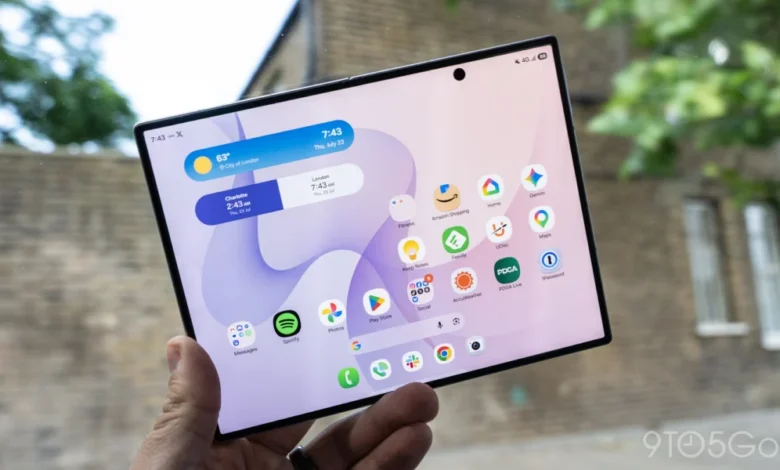
Reporting directly from the aftermath of Samsung’s highly anticipated Galaxy Unpacked event, the technology world is buzzing with the debut of the Galaxy Z Fold 8, a device already hailed by many as the most significant evolution in Samsung’s foldable smartphone lineup in years. This new iteration represents a decisive pivot in the company’s approach to its premium foldable series, moving beyond incremental updates to introduce a fundamentally re-envisioned form factor and user experience. Early impressions from hands-on sessions and initial testing with review units reveal a complex tapestry of innovation, ambition, and a palpable sense of change, leaving industry observers and long-time foldable enthusiasts with a blend of excitement and thoughtful contemplation.
The Galaxy Z Fold 8, officially available for pre-order, marks a critical juncture for Samsung in the competitive foldable market. While previous models like the Galaxy Z Fold 7 were lauded for their refined, thinner profiles, and experimental concepts such as the Galaxy Z TriFold generated considerable buzz, neither truly signaled such a profound strategic re-evaluation as the Z Fold 8. This latest device immediately commands attention, presenting a design philosophy that diverges notably from its predecessors, challenging conventional expectations of what a foldable phone can and should be.
The Genesis of a New Era: Galaxy Unpacked and Samsung’s Vision

Samsung’s Galaxy Unpacked events have consistently served as the global stage for the company to unveil its flagship innovations, setting the tone for the mobile industry’s trajectory. These meticulously orchestrated presentations combine technological prowess with strategic marketing, aiming to captivate both consumers and the tech press. The recent Unpacked event, where the Galaxy Z Fold 8 took center stage, was no exception, characterized by an palpable anticipation surrounding Samsung’s next move in the foldable space, a segment it largely pioneered and continues to dominate.
For years, Samsung has invested heavily in foldable technology, navigating initial design hurdles and consumer skepticism to establish a robust and increasingly popular product category. The journey began with the original Galaxy Fold, a groundbreaking but flawed device that nevertheless laid the groundwork for future advancements. Subsequent generations, including the Z Fold 2, 3, 4, 5, 6, and 7, each brought significant improvements, addressing durability concerns, enhancing hinge mechanisms, integrating S Pen support, and refining aspect ratios to make the devices more practical and appealing. The Z Fold 7, for instance, focused on achieving a remarkably thin profile, a testament to Samsung’s engineering capabilities. The Z TriFold, while never reaching mass production, showcased Samsung’s willingness to push conceptual boundaries, exploring multi-fold designs that hinted at even greater screen real estate and versatility.
However, the Z Fold 8’s introduction at this year’s Unpacked event felt distinct. It was not merely an incremental upgrade but rather a bold declaration of a new direction. Samsung’s messaging underscored a commitment to optimizing the foldable experience for a broader range of use cases, moving beyond the traditional "phone-tablet hybrid" narrative to one that emphasizes adaptive utility and enhanced ergonomic comfort in both folded and unfolded states. This strategic shift is designed to solidify Samsung’s leadership and attract new users to the foldable ecosystem, addressing previous criticisms and anticipating future market demands.
A First Look: Initial Impressions and Design Philosophy
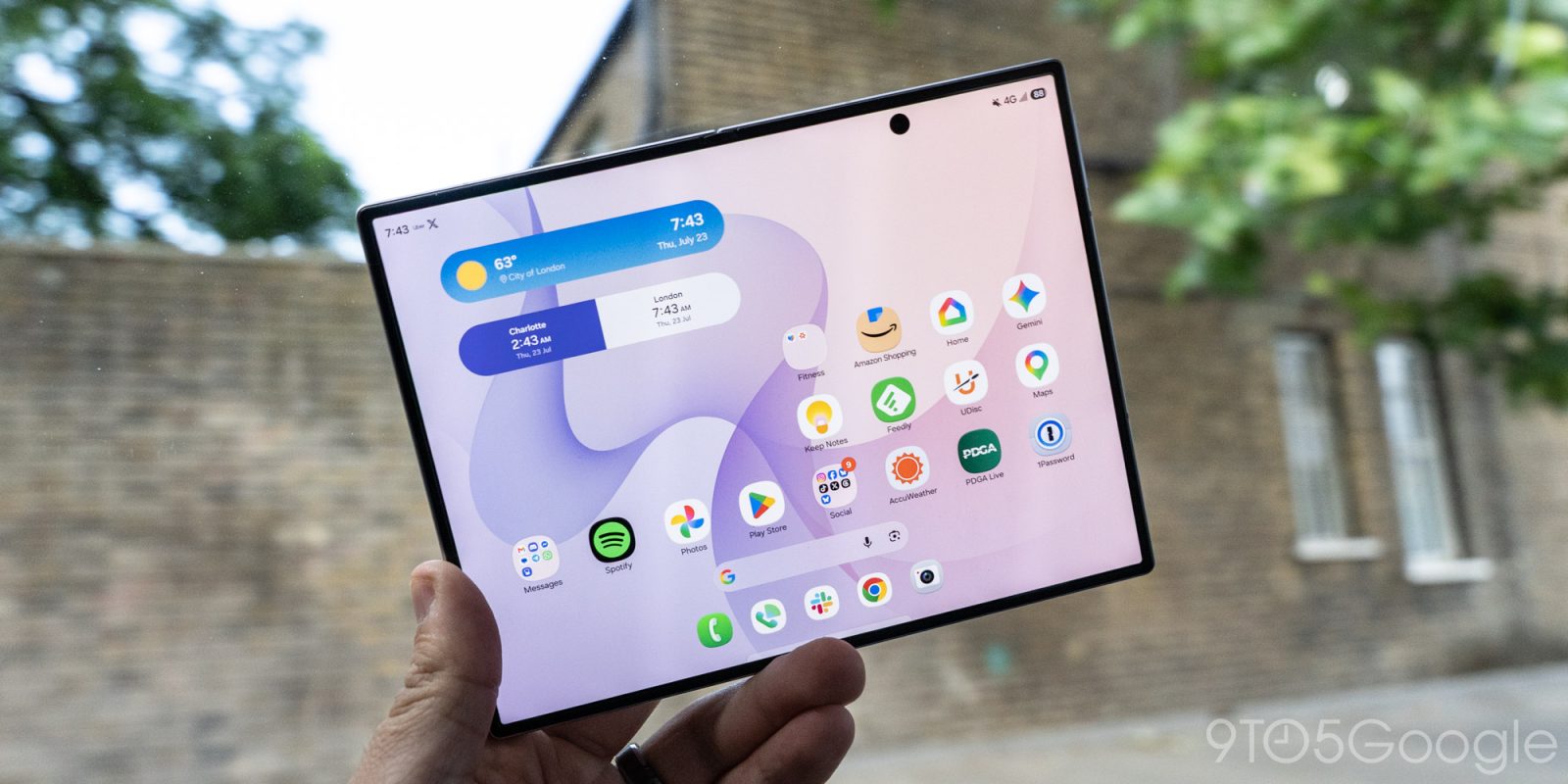
The immediate reaction to the Galaxy Z Fold 8 has been one of profound curiosity, punctuated by a reviewer’s initial "bewilderment" and "conflicted" feelings. This sentiment highlights the radical nature of the design changes. Upon first encountering the device, the expectation of an immediate affinity, built upon years of familiar Z Fold iterations, gave way to a realization of fundamentally altered priorities.
One of the most striking changes is the re-engineered external display. Described as "short and stout," this new cover screen configuration immediately sets the Z Fold 8 apart. Previous Fold models often featured a tall, narrow outer display, which, while functional for quick tasks, could feel cramped for extended use or typing. The Z Fold 8’s wider, albeit shorter, outer screen promises a more natural and usable smartphone experience when folded. This adjustment addresses a common user feedback point, aiming to make the device feel less like a compromise and more like a fully capable smartphone even before it’s unfolded. The implication is a shift towards making the "phone" aspect of the foldable more robust, enhancing its utility in quick, on-the-go interactions.
The internal, main display, consistently a highlight of the Z Fold series, has received significant praise. Early reports describe it as "stunning" and a "massive upgrade over past generations, inside and out." This suggests advancements in display technology, likely encompassing improved brightness, color accuracy, resolution, and potentially an even more imperceptible crease. The enhanced internal screen, coupled with the more usable outer display, appears to be influencing user behavior. The observation that the reviewer is "finding myself using this phone opened up more than I did on my Fold 7" is telling. It suggests that the combined improvements – a better external experience reducing the need to unfold for every task, yet a more compelling internal screen once opened – encourages users to engage with the larger canvas more frequently for tasks that truly benefit from it, such as multitasking, media consumption, and detailed productivity work.
Hardware Innovations and Performance Benchmarks
Beyond the display, the Galaxy Z Fold 8 boasts an array of hardware enhancements that contribute to its "nice" overall feel. Samsung’s commitment to premium materials is evident, likely incorporating the latest generation of Armor Aluminum for the frame and advanced Gorilla Glass Victus for enhanced durability on the outer display. The hinge mechanism, a critical component of any foldable, is expected to have undergone further refinement, promising smoother operation and increased longevity, possibly with a reduced gap when folded, further protecting the inner screen from dust and debris.
Performance-wise, the Z Fold 8 would undoubtedly be powered by the latest flagship mobile processor available in 2026, likely a custom-tuned Snapdragon variant or Samsung’s own Exynos chip, optimized for foldable devices. This would ensure seamless multitasking, exceptional gaming performance, and efficient handling of AI-driven tasks, which are becoming increasingly central to smartphone functionality. Coupled with ample RAM and fast UFS storage, the device is engineered to handle the most demanding applications with ease, supporting the vision of a productivity powerhouse.
The camera system, while deemed "decent" in initial assessments, comes with a notable caveat: the absence of a telephoto lens. This omission, while potentially a design choice to maintain a thinner profile or accommodate other internal components, represents a departure from the typical flagship smartphone camera array. Samsung’s S-series flagships, and even previous Fold models, have often prioritized versatile camera setups, including dedicated telephoto capabilities for optical zoom. The Z Fold 8’s decision to forgo this feature could indicate a strategic trade-off, perhaps focusing on enhancing the primary wide and ultrawide sensors, or leveraging advanced computational photography to compensate for the lack of optical zoom. This aspect will undoubtedly be a focal point for detailed reviews, as camera performance remains a critical differentiator in the high-end smartphone market.
Software Adaptation and User Experience Nuances
The hardware advancements of the Galaxy Z Fold 8 are inextricably linked to Samsung’s software optimizations. One UI, Samsung’s customized Android overlay, plays a crucial role in delivering a cohesive and intuitive experience across the device’s unique form factor. The "creature comfort adjustments I’ll need to figure out over the coming days" mentioned by the reviewer highlight the learning curve associated with such a significant design shift. This could involve adapting to new gestures for multitasking, optimized keyboard layouts for the wider cover screen, or exploring redesigned interfaces for various applications that better leverage the unfolded display.
Samsung has historically collaborated with developers to ensure apps are optimized for foldable screens, offering features like multi-active window, Flex Mode, and drag-and-drop functionality between applications. With the Z Fold 8’s new screen priorities, it’s plausible that One UI 8 (or whatever iteration is current in 2026) will introduce further refinements. This could include improved continuity between the cover and main screens, more intuitive app scaling, and enhanced productivity tools that capitalize on the wider external display for quick tasks and the expansive internal display for immersive work or entertainment. The potential for the Z Fold 8 to act as a more direct laptop replacement, especially with improved S Pen integration and DeX capabilities, is a strong implication of Samsung’s new "priorities."
Market Position and Competitive Landscape Analysis
The launch of the Galaxy Z Fold 8 takes place within an increasingly dynamic and competitive foldable market. While Samsung has maintained a dominant position, rivals such as Google with its Pixel Fold, OnePlus with the Open, and various Chinese manufacturers like Huawei, Xiaomi, and Honor have introduced compelling alternatives. These competitors have often challenged Samsung on aspects like hinge design, display crease, and even camera performance, pushing the boundaries of what consumers expect from a foldable.
The Z Fold 8’s "clear shift in direction" is a strategic move to reassert Samsung’s leadership and innovate ahead of the curve. By addressing the usability of the cover screen and potentially enhancing the overall durability and performance, Samsung aims to expand the appeal of foldables beyond early adopters to a more mainstream audience. Industry analysts, like those at Counterpoint Research or IDC, have consistently projected steady growth in the foldable segment, with shipments expected to reach tens of millions of units annually by the mid-2020s. Samsung’s move with the Z Fold 8 is likely an attempt to capture a larger share of this expanding market by offering a more refined and broadly appealing user experience.
The pricing strategy for the Z Fold 8 will also be critical. Foldables remain a premium product category, but as manufacturing processes mature and competition intensifies, there is pressure to make them more accessible. Samsung typically offers various pre-order incentives, trade-in programs, and financing options to mitigate the high initial cost. The success of the Z Fold 8 will depend not only on its innovative hardware and software but also on its ability to convince consumers that its new design philosophy offers tangible benefits that justify its premium price point.
Broader Industry Impact and Future Outlook
The Galaxy Z Fold 8’s unveiling at Unpacked signifies more than just a new product; it reflects the evolving landscape of mobile technology. Samsung’s willingness to experiment with fundamental design elements, even risking initial "bewilderment" from long-time users, demonstrates a commitment to pushing the boundaries of what smartphones can be. This strategic audacity could pave the way for future foldable designs, influencing competitors to re-evaluate their own approaches to form factor, usability, and the balance between folded and unfolded experiences.

The focus on a more "short and stout" outer display suggests an industry trend towards making foldables more functional in their compact state, blurring the lines between traditional slab phones and tablets. This could lead to a proliferation of different aspect ratios and form factors in the foldable market, catering to a wider array of user preferences. The trade-offs, such as the potential absence of a telephoto lens, also highlight the ongoing challenges in integrating advanced components into increasingly thin and complex foldable designs. Manufacturers are continually balancing desired features with engineering constraints, and the Z Fold 8 offers a glimpse into Samsung’s current priorities in this delicate equilibrium.
As the device moves into the hands of more reviewers and, eventually, consumers, the true impact of the Galaxy Z Fold 8’s design shift will become clearer. Will the new priorities resonate with users? Will the learning curve be easily overcome? And will this bold move solidify Samsung’s leadership, or open new avenues for competitors? These questions underscore the significance of the Z Fold 8, not just as a new smartphone, but as a potential blueprint for the future of mobile computing.
As comprehensive reviews commence, further insights into the Z Fold 8’s long-term usability, battery life, camera performance, and overall durability will emerge. The journey back from Unpacked with the Z Fold 8 in hand marks the beginning of an extensive evaluation process, promising a deeper understanding of Samsung’s latest vision for the future of smartphones. Pre-orders for the Galaxy Z Fold 8 are now officially open, inviting consumers to experience this pivotal moment in foldable technology.