IPhone Duo versus Galaxy Z Fold 8: A Comprehensive Comparative Analysis of the Current Foldable Smartphone Landscape

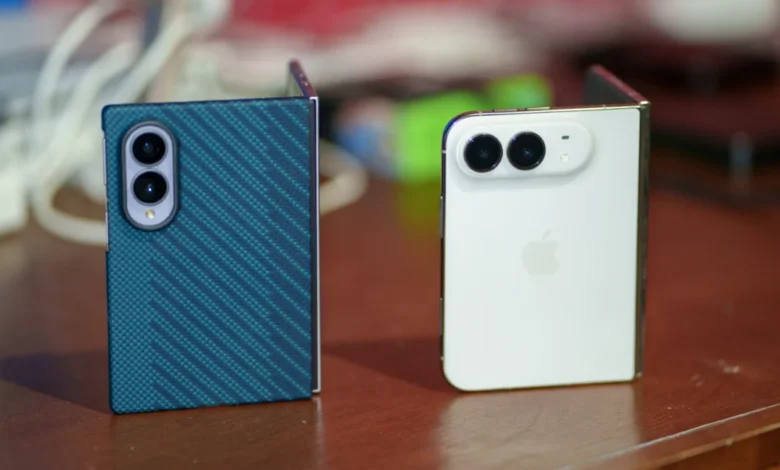
The global foldable smartphone market has reached a critical inflection point in late 2026, characterized by the maturing of Samsung’s long-standing Z Fold series and the debut of Apple’s entry into the category, the iPhone Duo. As consumers and industry analysts evaluate these two distinct approaches to flexible hardware, the primary points of contention remain centered on device ergonomics, display technology, and the integration of specialized software ecosystems. While both devices represent the pinnacle of current mobile engineering, they offer starkly different user experiences rooted in divergent design philosophies.
The Evolution of the Foldable Form Factor: A Chronological Overview
The foldable smartphone sector began its mainstream trajectory in 2019 with the launch of the original Samsung Galaxy Fold. Over the subsequent eight years, Samsung iterated through various hinge mechanisms, cover display sizes, and internal folding materials. The Galaxy Z Fold 8 represents the eighth generation of this research and development cycle, incorporating refinements in durability and weight reduction that have established it as the industry benchmark for multitasking-focused mobile hardware.

Apple, conversely, maintained a conservative stance on the foldable market, prioritizing the stability of its iOS ecosystem and the durability of its hardware components. The launch of the iPhone Duo in late 2026 marked a strategic pivot for the Cupertino-based company. By entering the market only after the technology had moved past its "early adopter" phase, Apple aimed to solve specific pain points—such as crease visibility and hinge reliability—that had plagued earlier competitors. The result is a device that emphasizes a seamless, premium experience over the aggressive feature-stacking often seen in the Android foldable market.
Comparative Ergonomics and Physical Specifications
A critical differentiator between the two handsets is their physical profile. The Galaxy Z Fold 8 features a chassis weight of approximately 201 grams, a significant engineering achievement that brings it closer to the weight of a standard, non-folding smartphone. In contrast, the iPhone Duo weighs 254 grams. This 53-gram discrepancy is primarily attributed to Apple’s use of premium materials, including a titanium frame, compared to the more weight-conscious aluminum construction utilized in the Z Fold 8.
The implications for daily usage are substantial. The Z Fold 8’s lower mass makes it more comfortable for extended periods of one-handed use, particularly when the device is closed. However, the iPhone Duo’s weight is often cited by users as providing a more substantial, "high-quality" tactile feel, reflecting the brand’s commitment to premium material science.

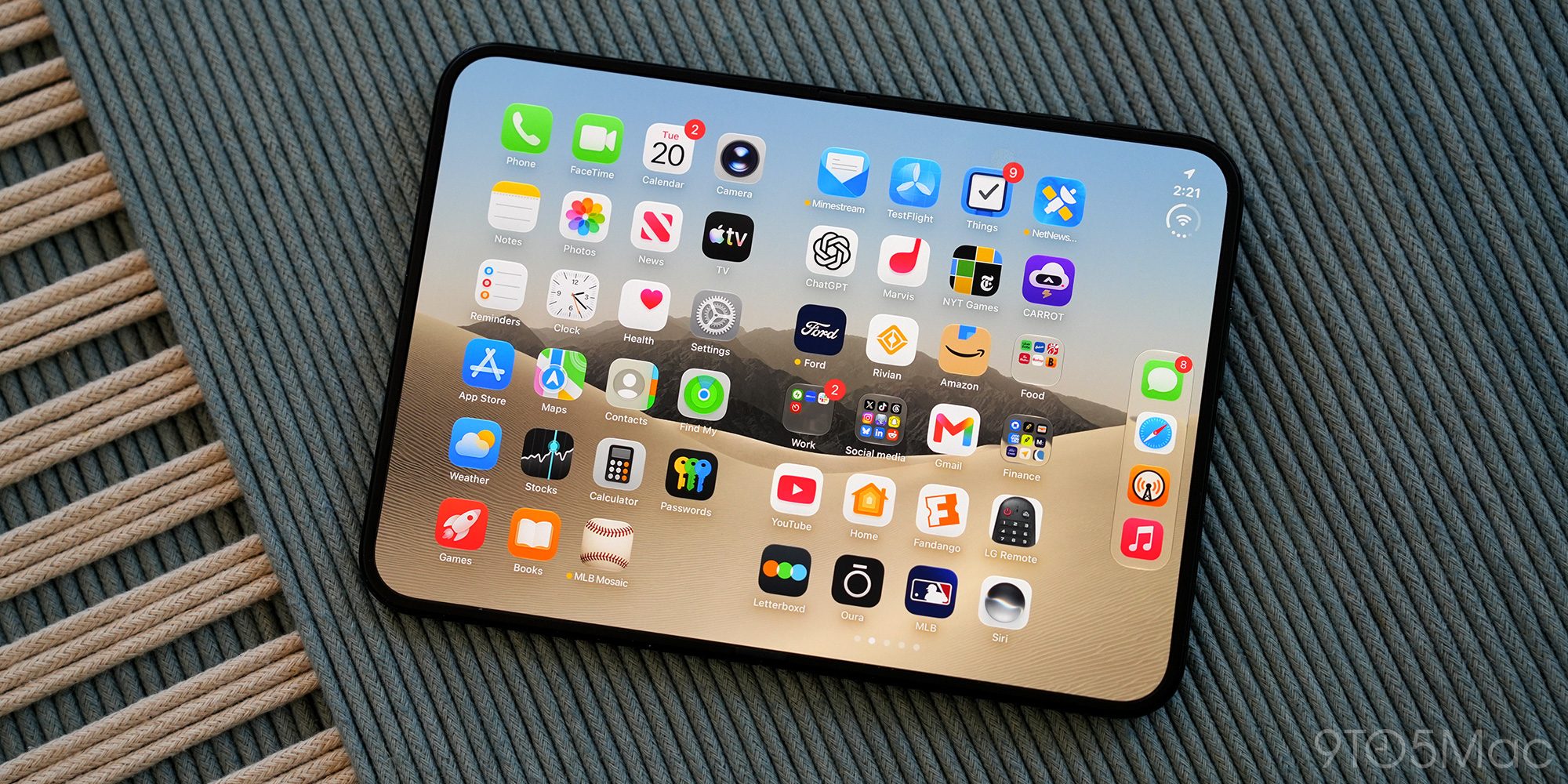
Furthermore, the aspect ratio of the two devices dictates their primary utility. The iPhone Duo has opted for a width that mimics a standard smartphone, which facilitates comfortable typing and navigation. However, the Z Fold 8 offers a slightly taller profile. This additional vertical space is particularly advantageous for applications that require a significant amount of text to be visible above the virtual keyboard. While Apple employs transparent navigation bars that maximize screen real estate, the inherent aspect ratio of the Z Fold 8 allows for a more efficient utilization of the display for professional workflows and productivity tasks.
Display Innovation and the "Crease" Debate
Display technology remains the most scrutinized component of any foldable device. The Galaxy Z Fold 8 continues to refine the "hinge-less" appearance, though a subtle crease remains visible when the screen is viewed at off-axis angles.
Apple has approached this challenge by integrating a specialized nano-texture display layer on the iPhone Duo. This layer is designed to diffuse light, effectively masking the structural crease that occurs at the folding point. Technical analysis suggests that while the nano-texture layer is effective at reducing visual distortion, it may not be strictly necessary given current advancements in flexible OLED panel technology. Observations indicate that both the iPhone Duo and the Galaxy Z Fold 8 maintain a near-invisible crease when viewed head-on; the visibility is only compromised under specific lighting conditions or at extreme viewing angles.
Integration of Camera Systems and Biometric Security
The internal hardware configuration reveals distinct priorities. The iPhone Duo utilizes an under-display camera (UDC) for its primary folding screen. While this allows for a fully uninterrupted viewing experience, it inherently sacrifices some image fidelity compared to traditional camera modules. Apple’s engineering team has addressed this by ensuring that the primary rear camera arrays are exceptionally capable, effectively rendering the internal camera secondary for non-critical video calls.
Conversely, the Z Fold 8 utilizes a more conventional approach, balancing screen real estate with photographic capability. A notable ergonomic difference lies in the rear camera layout: the iPhone Duo’s horizontal alignment allows for a natural resting point for the user’s finger, whereas the Z Fold 8’s vertical camera bump can sometimes obstruct a comfortable grip when the phone is held open.
Regarding security, the iPhone Duo does not currently support Face Unlock on the inner display, a limitation imposed by the current capabilities of its under-display sensor technology. The Z Fold 8 continues to rely on a side-mounted capacitive fingerprint sensor, which many users find more reliable in a variety of lighting and environmental conditions.

Market Implications and Future Trajectories
The broader impact of the iPhone Duo’s entry into the market is expected to accelerate the standardization of foldable hardware components. Industry analysts project that as Apple scales production, the cost of high-quality flexible panels and advanced hinge assemblies will decrease, potentially lowering the barrier to entry for other manufacturers.
For Samsung, the competition from Apple represents a test of its "first-mover" advantage. Having spent nearly a decade defining the category, Samsung’s challenge is no longer just about hardware feasibility, but about software optimization. The OneUI interface is widely considered more feature-rich for power users, offering sophisticated multitasking and split-screen capabilities that currently exceed those found in the initial iterations of Apple’s iOS for foldable devices.
Conversely, Apple’s strength lies in the continuity of its ecosystem. The ability for the iPhone Duo to seamlessly transition between iPad-like productivity and phone-like mobility is a significant draw for the existing Apple user base.

Conclusion: A Duality of Philosophy
The choice between the iPhone Duo and the Galaxy Z Fold 8 ultimately reflects a preference for specific design priorities rather than a clear "winner" in terms of objective quality. The Z Fold 8 is the superior choice for users who prioritize portability, weight efficiency, and advanced multitasking software. The iPhone Duo appeals to those who value the refined, uninterrupted aesthetics of the Apple ecosystem, the comfort of rounded corner ergonomics, and the long-term reliability of the brand’s supply chain.
As these companies head into their next product cycles, the industry anticipates a convergence. It is highly probable that future iterations of the iPhone Duo will adopt more aggressive weight-reduction strategies and potentially taller aspect ratios, while Samsung will likely continue to refine its display materials to achieve the near-seamless aesthetic that has become the hallmark of the current folding generation. The competition between these two tech giants ensures that the foldable form factor is no longer a niche curiosity, but a viable, permanent fixture of the modern mobile landscape.