South Korea proceeds with case over allegedly misleading Apple Intelligence ads

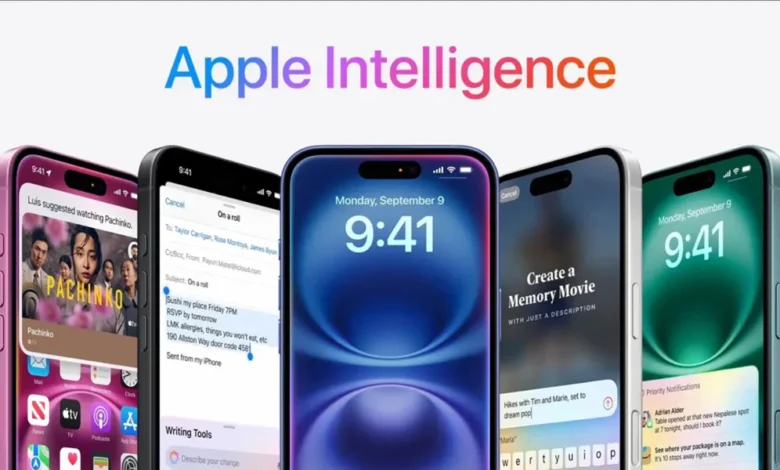
The Korea Fair Trade Commission (KFTC) has officially initiated formal proceedings against Apple, marking a significant escalation in the regulatory scrutiny surrounding the tech giant’s marketing of its "Apple Intelligence" suite. The investigation, which stems from a consumer complaint filed by the Seoul YMCA, centers on allegations that Apple misled South Korean customers by advertising advanced artificial intelligence capabilities for the iPhone 16 series that were not available at the time of purchase or were subject to significant, uncommunicated delays.
This development places Apple in the crosshairs of one of Asia’s most stringent regulatory bodies, potentially resulting in millions of dollars in fines and a mandatory overhaul of how the company presents its software roadmaps in future global marketing campaigns.
A Chronology of the Dispute
The roots of this conflict trace back to early 2025, a period defined by significant turbulence in Apple’s software development cycle. Following the announcement that the highly anticipated "Siri AI" and associated Apple Intelligence features would face substantial development delays, consumer trust began to erode.
- March 2025: The Seoul YMCA files a formal complaint with the KFTC, alleging that Apple continued to market the iPhone 16 as an "AI-ready" device despite internal knowledge that the software features were not ready for public release.
- April 2025: Global regulatory pressure mounts. Agencies in various jurisdictions, including the United States and Brazil, begin to investigate whether Apple’s "Available Now" marketing claims constituted deceptive trade practices.
- May 2026: Apple reaches a $250 million class-action settlement in the United States to resolve litigation concerning the delayed rollout of these features.
- November 2026: The KFTC completes its investigative phase and submits its findings for formal deliberation, formally accusing Apple of violating the Labeling and Advertising Act.
The crux of the KFTC’s argument is that while Apple did eventually provide information regarding a "staggered rollout," the company intentionally obscured the extent of these delays. By creating an impression of immediate functionality through high-profile ad campaigns—such as the massive, neon-glow store makeovers and celebrity-led advertisements—the company allegedly bypassed the "material information" requirements mandated by South Korean law.

The Discrepancy Between Marketing and Reality
The KFTC’s investigation highlights specific discrepancies regarding the promised versus actual delivery of key features. Apple’s marketing materials consistently highlighted "Siri with personal context," "Genmoji," and "Image Playground" as central pillars of the iPhone 16 user experience.
According to the KFTC’s findings, the gap between the marketing promise and reality was profound. For instance, Siri’s ability to interpret personal context was aggressively promoted as having a scheduled launch in US English by the end of 2024, with Korean language support to follow in early April 2025. In reality, the US English version did not reach the public until September 2026, and the Korean language support did not arrive until October 2026—a delay of over 18 months beyond initial consumer expectations.
Investigators concluded that by omitting these crucial timelines in the primary promotional materials, Apple effectively induced consumers to purchase the hardware under the false pretense that the "AI experience" was ready for use. This, according to the Commission, falls under the legal definition of "concealing or downplaying material information" that would have otherwise influenced a consumer’s decision to buy the device.
Economic Implications and Potential Penalties
The financial stakes for Apple are substantial. The KFTC has estimated that the revenue generated from the affected product sales in South Korea is approximately 3.35 trillion won, or roughly $2.5 billion USD. While the fine itself is not expected to equate to the total revenue, regulators are weighing penalties based on the severity of the deception.
Market analysts and local reports from outlets like Yonhap and KBS suggest that the final penalty could range between $21 million and $48 million. While this figure is relatively small compared to Apple’s global revenue, the reputational damage and the potential for a "corrective order" could force the company to change its marketing strategies in one of its most sophisticated tech markets.

A corrective order from the KFTC could mandate that Apple issue public apologies, offer refunds or compensation to affected Korean users, and strictly adhere to new, more transparent labeling requirements for future hardware launches that rely on software-dependent features.
Apple’s Defense and Corporate Response
In response to the KFTC’s announcement, Apple has maintained a stance of cooperation while firmly rejecting the allegations of deception. In a statement provided to media outlets, the company emphasized its commitment to transparency and noted that it has already fulfilled its promise to provide Korean-language support for its AI suite.
"We have cooperated fully with the KFTC throughout this investigation," an Apple spokesperson stated. "We respectfully disagree with the conclusion that our advertising was misleading. Our rollout of Apple Intelligence was a complex, phased global project, and we have consistently communicated our progress to our users as those updates became available."
Apple’s legal team is currently preparing a written defense, which must be submitted to the Commission within the next six weeks. This document will likely focus on the technical nuances of AI development, arguing that "staggered rollouts" are an industry-standard practice and that the terminology used in their advertisements was aspirational rather than contractually binding.
Broader Implications for the Tech Industry
The case in South Korea serves as a bellwether for how governments worldwide are beginning to regulate the intersection of artificial intelligence and consumer hardware. As tech giants increasingly sell hardware that is effectively an empty shell until software updates are delivered, the definition of "false advertising" is being rewritten in real-time.

For the consumer electronics industry, the outcome of this deliberation could establish a precedent. If the KFTC succeeds in fining Apple, other manufacturers—including Samsung, Google, and Microsoft—may face stricter scrutiny when advertising "future-proof" features. The case underscores a growing global consensus among regulators that consumers deserve clear, accessible, and accurate timelines for the software capabilities they are paying for at the point of sale.
The Path Forward
The next six weeks will be a period of intense legal preparation for Apple. Once the defense is submitted, the KFTC will conduct a series of hearings and deliberative sessions to review the evidence. The final decision will not only determine the financial penalty but will also serve as a signal to the South Korean public regarding the protection of digital consumer rights.
As the AI arms race continues to accelerate, the pressure on companies to ship features quickly often clashes with the reality of software development timelines. Apple’s situation in South Korea highlights the growing pains of this transition. Whether the company is found to have committed a legal violation or merely a marketing misstep, the case serves as a stark reminder that in the eyes of the law, the promise of a feature is as important as the feature itself.
For now, the iPhone 16 remains a top-selling device in South Korea, but its legacy in the region may now be permanently linked to this regulatory battle. Consumers, regulators, and industry competitors alike will be watching closely to see if the KFTC’s final ruling sets a new standard for corporate transparency in the age of artificial intelligence.