How Playground Games Looked Beyond Lionhead’s Original Trilogy to Modernize the Upcoming Fable Reboot for Today’s Open-World RPG Standard

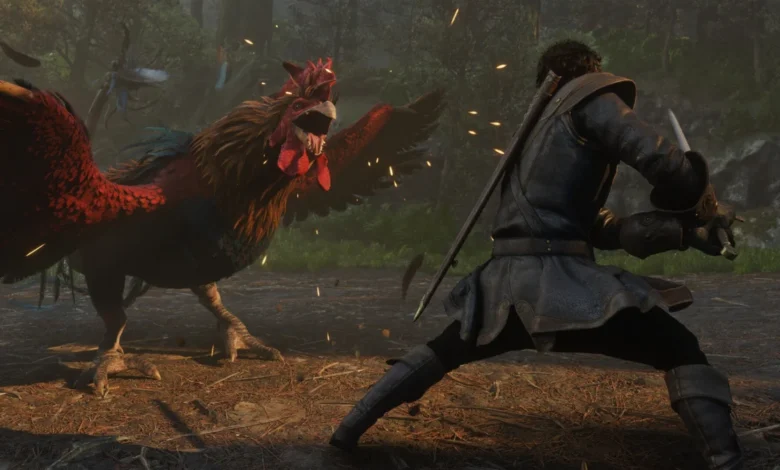
The landscape of the video game industry has undergone a monumental shift since the original Fable trilogy first charmed players on the original Xbox and Xbox 360. As Playground Games prepares to finally release its long-awaited Fable reboot, studio leadership has opened up about the immense development hurdles and strategic pivots required to bring the classic British fantasy franchise into the modern era. According to studio founder and general manager Ralph Fulton, relying solely on the blueprint left behind by Lionhead Studios would have resulted in a product misaligned with contemporary player expectations. Instead, the development team had to study modern open-world masterpieces that fundamentally redefined the action-RPG genre over the past decade.
The Evolution of the Open-World RPG Standard
When Lionhead Studios—led by industry veteran Peter Molyneux—released the first Fable in 2004, followed by its sequels in 2008 and 2010, the gaming industry operated under very different technical and design paradigms. Open worlds were often smaller, more compartmentalized, and driven by scripted encounters rather than systemic simulation. However, the release of CD Projekt Red’s The Witcher 3: Wild Hunt in 2015 shattered existing conventions, establishing a new gold standard for narrative depth, world-building, and open-world exploration.
Following the benchmark set by The Witcher 3, major industry mainstays also evolved. Ubisoft’s Assassin’s Creed franchise shifted from traditional historical stealth-action games into massive, sprawling open-world role-playing titles with the release of Assassin’s Creed Origins in 2017, continuing through Odyssey and Valhalla. These systemic changes across the industry rapidly altered what millions of consumers expected from high-budget, triple-A role-playing games.
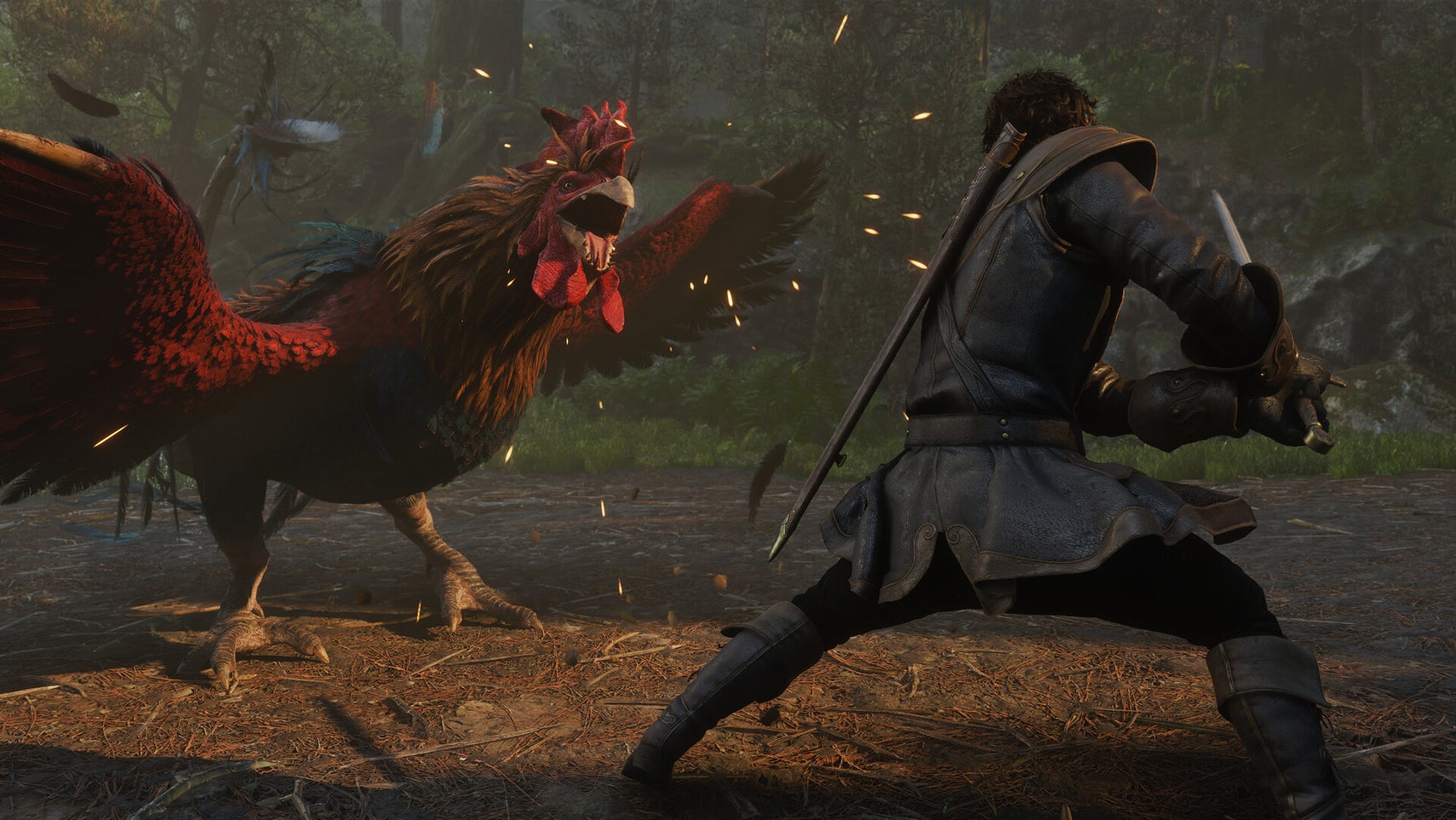
Fulton noted in a recent interview that these massive shifts forced Playground Games to reevaluate its developmental strategy. Looking exclusively at the original Fable trilogy would have left the studio unequipped to meet the sophisticated demands of modern gamers, who now expect fluid combat mechanics, sprawling vistas, dense narrative branching, and seamless performance.
A Decade-Long Development Journey
The road to the upcoming Fable reboot has been notably arduous, spanning nearly a decade of conceptualization, team scaling, and technical development. Playground Games, traditionally renowned for its critically acclaimed work on the Forza Horizon racing series under Xbox Game Studios, had to build an entirely new division from the ground up to tackle the fantasy RPG genre. Unlike the studio’s smooth and consistent cadence with Forza Horizon releases, crafting a massive open-world narrative role-playing game presented an entirely different set of organizational and technical challenges.
The project was officially announced by Microsoft in July 2020 with a cinematic teaser trailer, though rumors and reports regarding the game’s development had circulated within the industry for years prior. Transitioning a studio primarily known for high-speed racing simulations into a premier RPG developer required large-scale recruitment, bringing in veteran talent from across the industry to form a cohesive creative unit. Despite the lengthy production cycle, Microsoft and Playground Games have systematically managed expectations, offering glimpses of in-engine footage that highlight the studio’s commitment to visual fidelity and modern gameplay standards.
Balancing Modern Innovation with Classic Fable Identity

While Playground Games looked outward to titles like The Witcher 3 and modern Assassin’s Creed installments to understand contemporary game design, the studio maintains that the core soul of Fable remains deeply rooted in its British heritage. Fulton emphasized that elements such as the franchise’s signature self-deprecating British wit, whimsical tone, and dynamic morality system will form the foundation of the reboot.
Furthermore, the upcoming title aims to retain the unique systemic gameplay loops that set Lionhead’s original creations apart from competitors. Fable has always operated partially as a social and economic life simulator alongside its traditional hero’s journey. Players could historically purchase property, rent out homes, marry NPCs, raise families, and influence the local economy of Albion based on their business ventures and moral alignments.
According to Fulton, very few competing titles in the modern RPG space incorporate deep economic and social simulation to this extent. By modernizing these systems—allowing NPCs to react more dynamically and believably to the player’s choices—Playground Games hopes to offer a level of systemic immersion that extends far beyond a standard linear campaign. The ability to shape the world, influence town populations, and carve out a personalized domestic life within Albion is expected to give the reboot substantial replay value.
Broader Market Implications and Industry Impact
The strategic decision by Playground Games to blend modern open-world design philosophies with classic simulation mechanics highlights a broader trend within the video game industry. As development costs soar and consumer expectations reach unprecedented heights, reviving dormant franchises requires a delicate balancing act. Developers can neither rely entirely on nostalgic reverence nor completely strip away the identity that made the original property memorable.

For Microsoft, the successful revival of Fable is of paramount strategic importance. As the Xbox brand continues to bolster its first-party portfolio and expand the reach of Xbox Game Pass, high-profile single-player role-playing games serve as crucial system sellers and subscriber retention drivers. Alongside other major upcoming Xbox titles, Fable represents a cornerstone of Microsoft’s long-term content strategy.
As Playground Games nears the final stages of production, anticipation among fans and industry analysts continues to mount. By acknowledging how the broader RPG market has evolved over the last ten years, the studio has positioned itself to deliver a title that honors the legacy of Albion while standing shoulder-to-shoulder with the finest modern masterpieces of the genre. The ultimate success of the Fable reboot will hinge on whether this synthesis of old-school British charm and modern open-world rigor resonates with a new generation of role-playing enthusiasts.
Related posts: