How an online friendship formed in Among Us led to the rescue of a missing teenager after eighteen months in captivity

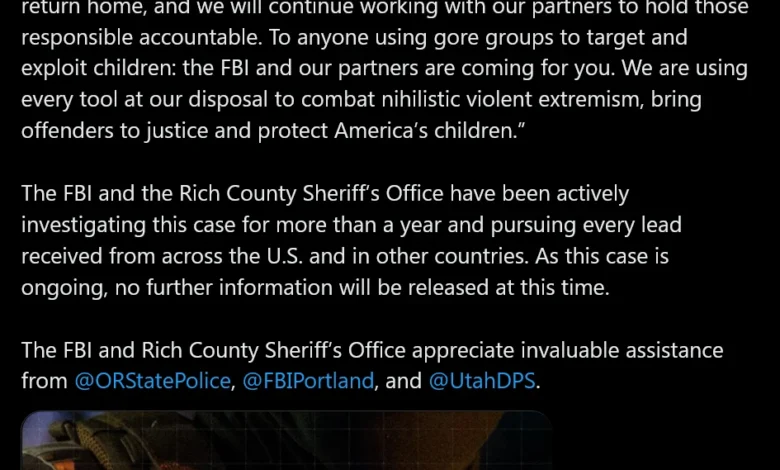
A 17-year-old girl who had been reported missing for more than a year has been successfully recovered by federal authorities in Oregon, marking a dramatic conclusion to a harrowing disappearance that began in Utah. The rescue, which took place on November 1, 2026, was catalyzed not by traditional investigative surveillance, but by the digital intervention of two private citizens—16-year-old Landon Tresp and his mother, Khristina—who utilized information gathered through a popular online gaming platform to pinpoint the victim’s location.
The victim, whose identity remains protected, had been missing since May 2025. Her discovery serves as a stark reminder of the complexities inherent in modern digital safety and the critical, often overlooked role that online communities can play in real-world crisis intervention.
A Digital Connection in the Gaming Sphere
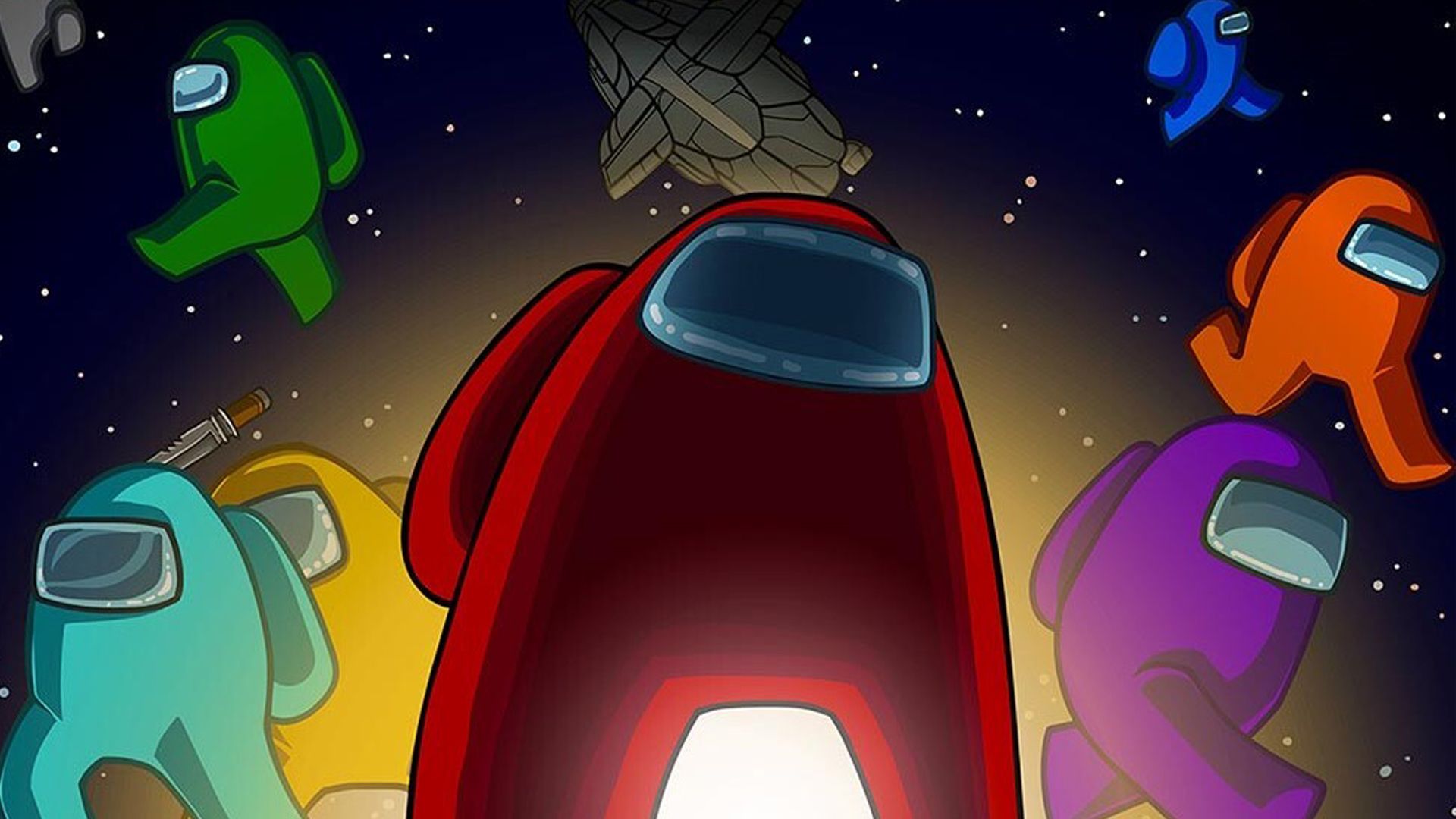
The intersection of the victim’s life and that of her rescuers began in the virtual lobbies of Among Us, the social deduction game that gained global popularity during the early 2020s. Landon Tresp, a 16-year-old player, established a connection with the girl during a casual session. According to accounts provided to the BBC, the two "clicked" immediately, fostering a rapport that quickly transcended the boundaries of a typical gaming interaction.
As their friendship deepened, the victim felt comfortable enough to reveal the traumatic reality of her circumstances: she was a runaway who had been held against her will for over a year. She explained that she had been lured by 39-year-old Adam Hunter Harmel, who had initially established contact with her on social media.
According to the details shared with authorities, Harmel had fabricated a persona, claiming to be a disabled individual in need of assistance. He offered to pay the victim to help him relocate from Utah to Oregon. The trap was sprung immediately upon their meeting; upon picking her up, Harmel reportedly seized the girl’s mobile phone and discarded it in a river, effectively severing her primary line of communication with the outside world.
The Investigative Efforts of a Concerned Mother
Upon learning of the girl’s predicament, Landon Tresp immediately alerted his mother, Khristina. While she initially approached the information with the skepticism necessary for online safety, the severity of the claim prompted her to conduct her own verification. She facilitated a direct conversation with the victim via Discord, a voice and chat platform.
The verification process was methodical. Khristina requested a piece of mail or a formal document containing the victim’s full name to confirm her identity and establish that the person she was speaking to was indeed the missing teen. Once confirmed, Khristina began an exhaustive investigation using open-source intelligence. By cross-referencing tax and property records with geographic data, she narrowed down potential locations.
Khristina then utilized real estate websites to identify photos of properties in the region. She presented these visual markers to the victim, who successfully identified the house where she was being held. This breakthrough allowed Khristina to bridge the gap between the victim and law enforcement. She contacted the victim’s mother via social media, leading to a direct line of communication with the FBI.
The Rescue Operation
The final phase of the operation occurred on November 1, 2026. The victim, provided with a mobile device by her captor—one that lacked cellular service but permitted Wi-Fi connectivity—remained in contact with the Tresps. She managed to alert them when Harmel vacated the residence.
With the FBI monitoring the situation, law enforcement personnel moved to surround the property. Khristina Tresp remained in contact with the girl, guiding her through the moment of escape. When the coast was clear, the teenager safely exited the home and was placed into the protective custody of the Oregon State Police. Adam Hunter Harmel was taken into custody without incident and now faces charges related to the transportation of a minor with the intent to engage in criminal sexual activity.
Contextualizing the Case: Digital Predators and Safety
The rescue highlights the evolving nature of child exploitation in the 21st century. The case follows a disturbing trend of predators using social media and gaming platforms as hunting grounds to isolate minors. According to the National Center for Missing & Exploited Children (NCMEC), the prevalence of online enticement has surged as children spend more time in digital environments.
The methodology used by Harmel—feigning a need for help or offering financial incentives—is a classic grooming tactic designed to establish a dependency-based relationship. By removing the victim’s ability to communicate, he effectively created a "digital island" where the only link to the world was the very platform he allowed her to use, likely under the assumption that it was secure.
Official Responses and Jurisdictional Collaboration
Following the rescue, the FBI’s Salt Lake City Field Office issued a public statement acknowledging the successful recovery of the teen. However, the initial press releases from the bureau and the Department of Justice largely focused on the inter-agency coordination between the FBI, the Rich County Sheriff’s Office, and the Oregon State Police.

FBI Director Kash Patel stated: "Tonight, local police in Oregon brought a minor who had been missing for a year and a half to safety, acting on information provided by our FBI Salt Lake City Field Office. We are grateful she can return home, and we will continue working with our partners to hold those responsible accountable."
While the official reports emphasized the "active investigation" and "leads received from across the U.S.," the indispensable role of the Tresp family was not explicitly detailed in the bureau’s initial public summary. This omission is common in ongoing federal investigations, where protecting the anonymity of civilian informants is a standard operational priority.
The Long-Term Implications of Online Vigilance
The recovery of the victim has sparked a wider conversation about the responsibility of platform developers and the potential for community-led safety initiatives. In recent years, companies like Discord, Valve, and Microsoft have faced increased pressure to implement more robust safety features, including proactive content moderation and AI-driven behavior analysis to detect grooming patterns.
However, as this case demonstrates, human intuition and the formation of genuine, protective friendships in gaming spaces remain a potent, if unpredictable, defense. The fact that the victim was able to reach out to a peer rather than a centralized safety authority suggests that for many victims of isolation, the "peer-to-peer" trust model is more accessible than traditional reporting structures.
Ongoing Support and Recovery
For the victim, the process of reintegration and recovery is only beginning. Khristina and Landon Tresp have maintained daily contact with the girl, providing a stable, supportive link as she navigates the trauma of her eighteen-month confinement.
"Sometimes we just sit on video chat, just so she knows she has someone that cares," Khristina told reporters. "It’s nice to know that when she has a bad day or a bad moment, she can call me right away or call Landon right away. She’s doing great for what she’s gone through."
The case serves as a poignant, if rare, success story in the landscape of missing persons investigations. As law enforcement prepares for the trial of Adam Hunter Harmel, the efforts of the Tresps remain a central point of public interest, illustrating how, in an increasingly digital world, the empathy of a stranger can be the difference between a life lost and a life reclaimed. The legal proceedings against Harmel are expected to unfold over the coming year, with prosecutors likely to use the electronic evidence gathered during the rescue to bolster the charges of exploitation and interstate transportation.
Related posts: