The Hollywood Actor Who Revolutionized Warfare with the First Mass-Produced Military Drone

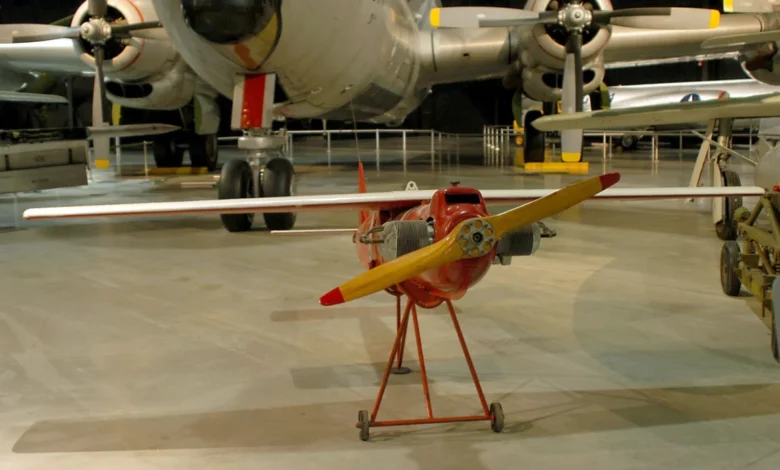
The origins of the modern unmanned aerial vehicle (UAV) industry are frequently traced back to high-tech defense laboratories and contemporary silicon-valley innovation; however, the foundational technology for mass-produced military drones emerged from an unlikely source: the silver screen of 1930s Hollywood. Reginald Denny, a British-born silent film star and aviation enthusiast, transitioned from performing stunts for cinema cameras to engineering the Radioplane OQ-2, the first mass-produced drone in United States history. His transition from Hollywood Boulevard hobbyist to a pivotal defense contractor reshaped the logistical landscape of World War II training and set a precedent for autonomous aerial operations that persists in the 21st century.
From Silent Films to the Skies of Southern California
Born Reginald Leigh Dugmore in 1891, Denny was a prominent figure in the entertainment industry, appearing in nearly 200 films throughout his half-century career. Beyond his theatrical endeavors, Denny was deeply embedded in the early aviation culture of California. As a member of the "Thirteen Black Cats," a legendary group of Hollywood stunt pilots, he developed an intimate knowledge of flight mechanics. His military background further informed his technical perspective; having trained with the Royal Flying Corps during the First World War as an air gunner and observer—though kept from combat by a training injury—he understood the inherent dangers of aerial target practice.
By the mid-1930s, Denny had opened a hobby shop on Hollywood Boulevard, where he sold model aircraft and miniature internal combustion engines. This shop served as a creative incubator. In 1936, he began experimenting with the RP-1, an early prototype featuring a nine-foot wingspan powered by miniaturized train motors. Crucially, the craft utilized a rotary telephone dial to encode radio signals, a rudimentary but effective precursor to modern remote-control guidance systems.
The Technological Deficit in WWII Training
Prior to the introduction of the Radioplane series, the United States military faced a significant dilemma regarding anti-aircraft gunnery training. The standard procedure involved towing giant, fabric-covered wind socks behind manned aircraft. This method was not only expensive but fraught with danger; tow planes were frequently subjected to accidental friendly fire from trainee gunners. Furthermore, the fabric targets were aerodynamically limited, unable to replicate the speed, maneuverability, or erratic flight paths of enemy combat aircraft.
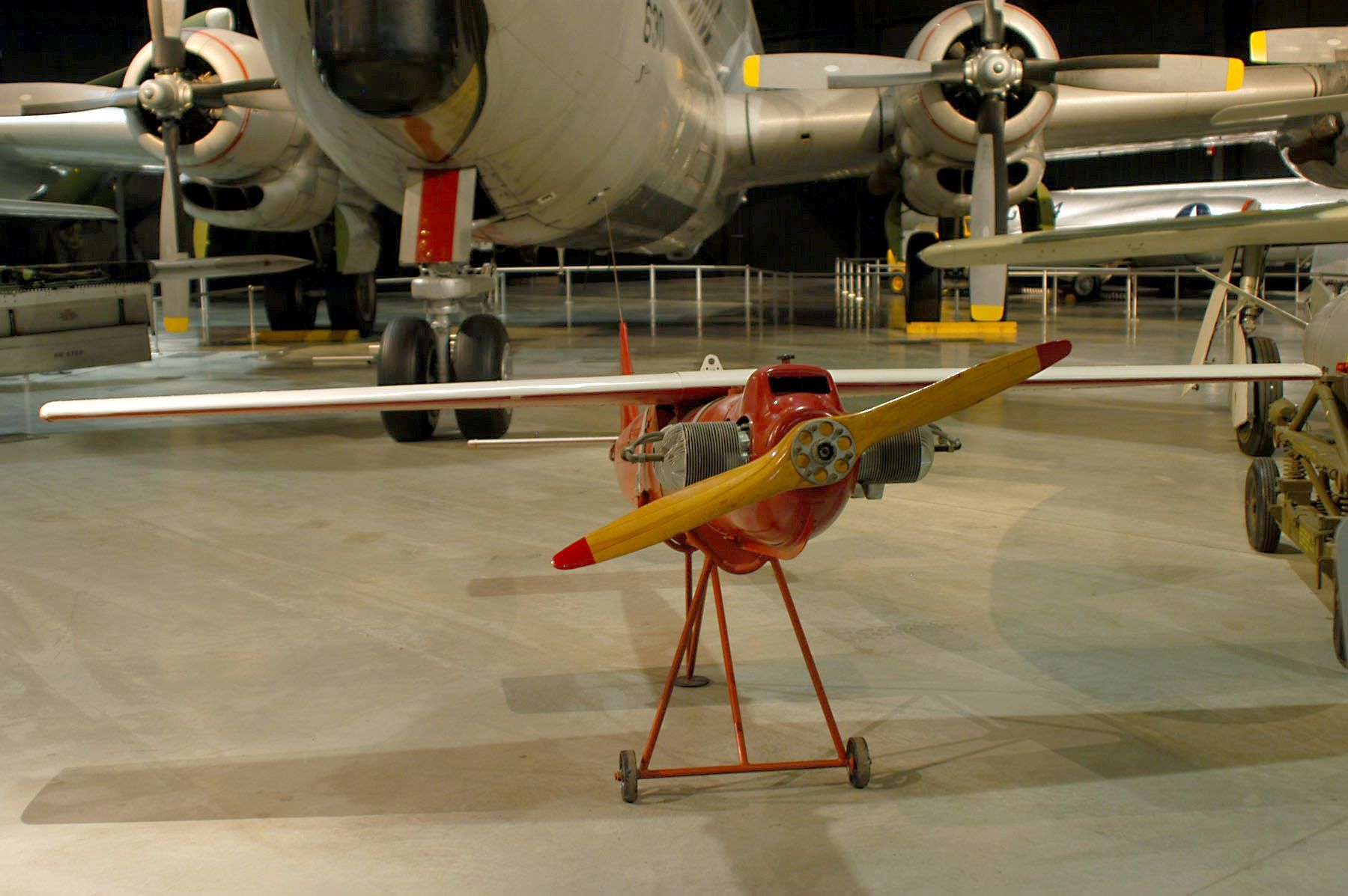
Denny recognized that radio-controlled model aircraft could solve these operational limitations. By substituting a high-risk, manned tow plane with a disposable, low-cost drone, the military could provide gunners with a realistic, agile target while simultaneously safeguarding the lives of flight crews. After refining the RP-1, Denny successfully demonstrated his prototype to the U.S. Army in 1938. The demonstration was a turning point, proving that radio-controlled flight was a viable tactical asset rather than a mere novelty.
Chronology of Radioplane Development
The evolution of the Radioplane company followed a trajectory of rapid military adoption necessitated by the global conflict. The development timeline highlights the speed at which the U.S. military pivoted to accommodate this new technology:
- 1935: Reginald Denny opens his model aircraft shop on Hollywood Boulevard.
- 1936: Development of the RP-1 prototype, utilizing telephone-dial radio encoding.
- 1938: First successful demonstration of the radio-controlled platform to U.S. Army officials.
- 1939: The U.S. Army issues an initial contract for 53 units, officially designated the OQ-1.
- 1940-1941: Production shifts from Denny’s hobby shop to a dedicated industrial facility in Van Nuys, California.
- 1942: The Radioplane Company is officially incorporated, focusing on the production of the OQ-2.
- 1943-1945: Peak production output; nearly 15,000 target drones are delivered to the U.S. Army and Navy.
- 1948: Reginald Denny sells his controlling interest in the Radioplane Company.
Industrial Impact and Strategic Data
The scale of Radioplane’s contribution to the war effort was staggering for a company that began as a retail hobby store. The OQ-2, which followed the initial OQ-1 order, became the workhorse of the program. It was a simple, rugged airframe powered by a two-cylinder, two-cycle engine capable of reaching speeds of approximately 85 miles per hour.
By the end of the war, the company had delivered 14,891 target drones. This included the OQ-3, an upgraded version with higher performance, and the TDD-1 (Target Drone Denny), a specialized variant engineered specifically for the U.S. Navy. The financial implications were equally significant; at the height of production, the Van Nuys facility employed hundreds of workers, many of whom were women entering the industrial workforce for the first time during the war—a notable historical detail, as a young Norma Jeane Dougherty, who would later become Marilyn Monroe, was discovered working on the assembly line at the Radioplane factory in 1944.
Official Responses and Tactical Evolution
While official military records of the era often focused on the technical specifications of the OQ series, subsequent assessments by organizations such as the Smithsonian’s National Air and Space Museum emphasize that the Radioplane program was the first to prove that small-scale, remote-controlled platforms could be mass-produced with sufficient consistency for military deployment.
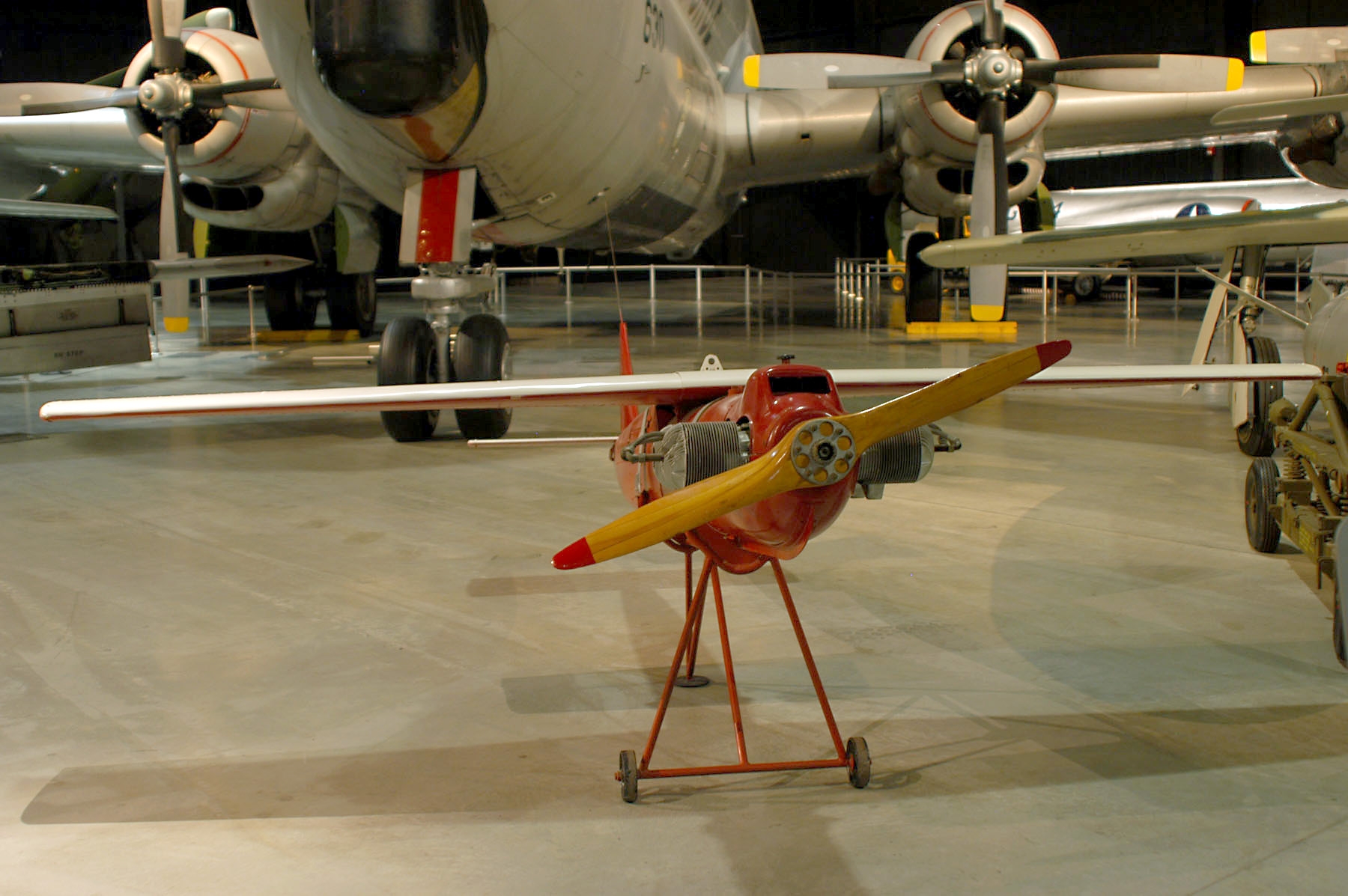
The military’s reliance on these drones forced a fundamental shift in how anti-aircraft crews were evaluated. Because the drones were inexpensive and replaceable, commanders could demand more rigorous and frequent training sessions. This resulted in a statistically significant improvement in the accuracy of anti-aircraft artillery (AAA) units in both the European and Pacific theaters. The ability to simulate high-speed, evasive targets meant that gunners were no longer practicing against passive, slow-moving targets, but were instead engaging a craft that challenged their tracking and firing solutions in a manner analogous to real combat.
Broader Implications and Historical Legacy
The legacy of the Radioplane OQ-2 extends far beyond its role as a training aid. It established the industrial infrastructure and the basic electronic protocols that would eventually evolve into the sophisticated surveillance and strike drones of the modern era. The shift from "target practice" to "tactical asset" began with Denny’s decision to move from the soundstage to the assembly line.
Furthermore, the Radioplane company served as a bridge between the era of aviation pioneers and the modern aerospace industry. By the time Denny sold his interest in the firm in 1948, the concept of the "drone" had been firmly established in the military consciousness. The expertise developed at the Van Nuys facility informed subsequent advancements in guidance systems, automated flight controls, and materials science.
In hindsight, the Radioplane story serves as a case study in disruptive innovation. Denny did not possess the traditional background of a defense contractor, yet he correctly identified a glaring deficiency in military training and provided a scalable solution. The transition of the drone from a hobbyist’s toy to a vital instrument of national security mirrors the broader history of 20th-century technology, where grassroots ingenuity frequently outpaced conventional institutional development. Today, as autonomous systems dominate discussions on global defense policy, the humble OQ-2 stands as the definitive ancestor of the drone age—a silent film star’s contribution to the evolution of the battlefield.
Related posts: