The Evolution of the Portable Power Market
The rise of the portable power station industry over the last five years has been driven by a confluence of factors, including increased climate volatility, the frequency of regional power grid instability, and the widespread adoption of lithium iron phosphate (LiFePO4) battery chemistry. Unlike older lithium-ion variants, LiFePO4 technology offers significantly longer lifespans, often exceeding 6,000 to 10,000 charge cycles, and enhanced thermal stability.
Market analysts observe that these Black Friday promotions are not merely clearing inventory but are serving as a catalyst for mainstream adoption. Consumers are increasingly viewing these devices as "home insurance" rather than just camping gear. This shift is reflected in the technical specifications of current hardware, which now prioritize high-wattage inverters capable of running sensitive home electronics, refrigerators, and medical equipment like CPAP machines during extended outages.
Key Technological Advancements
When evaluating these Black Friday offerings, industry experts emphasize two primary metrics: capacity and output. Capacity, measured in watt-hours (Wh), determines the duration for which a device can operate; output, measured in watts (W), dictates which appliances the station can handle simultaneously.
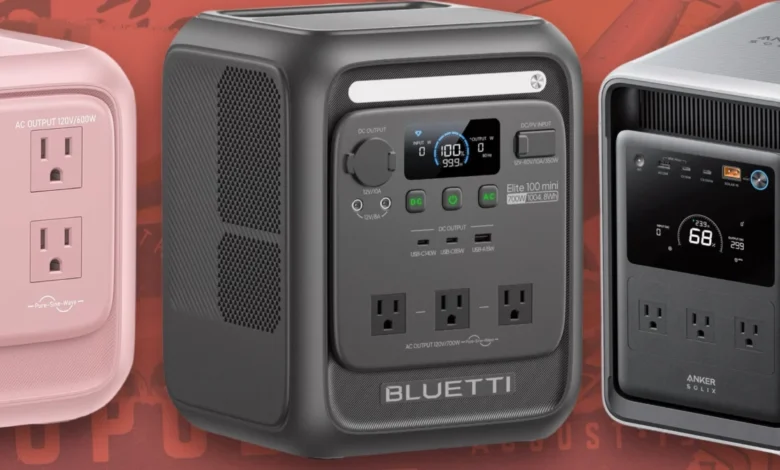
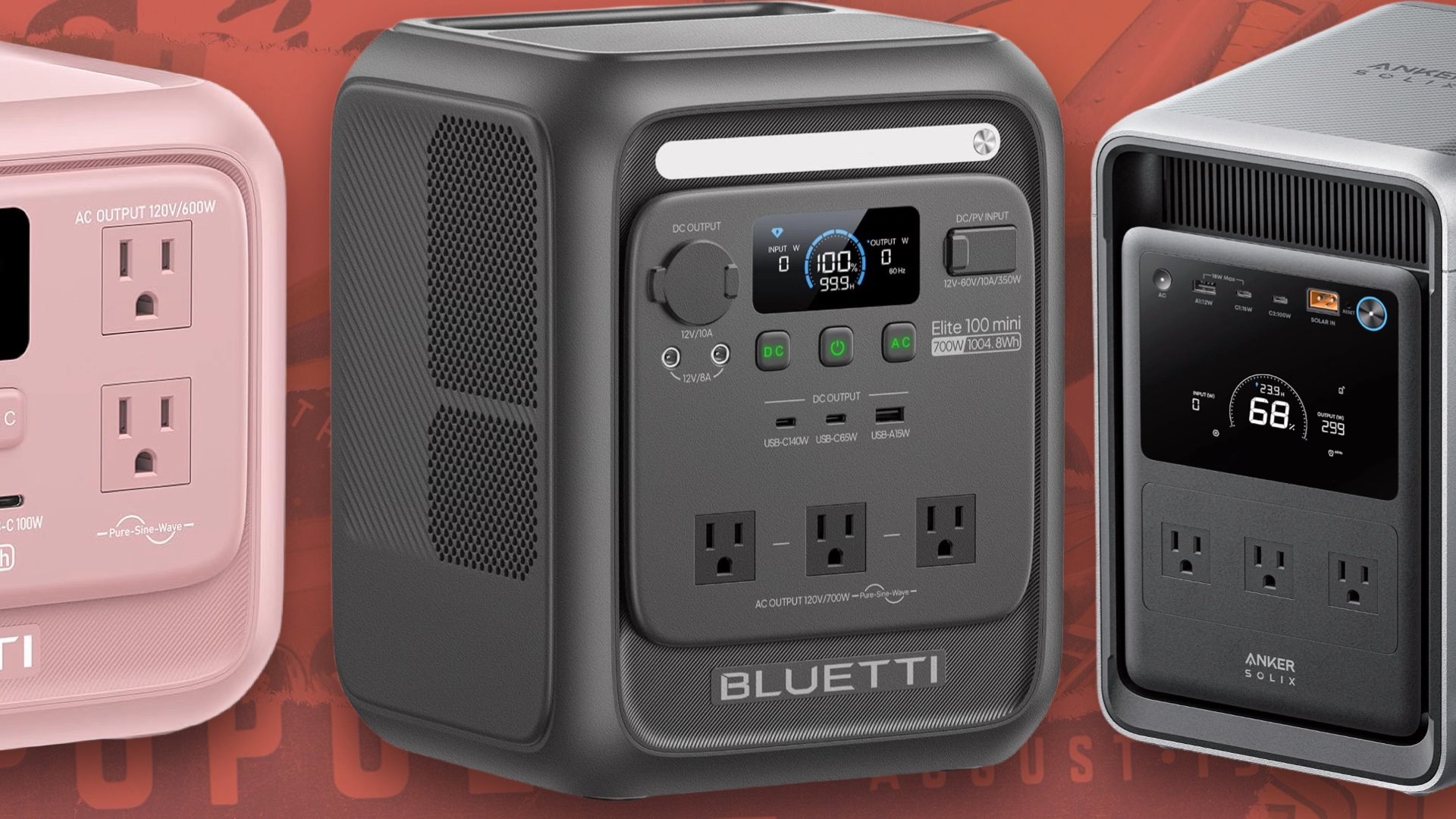
For example, the Bluetti Elite 100 mini, currently priced at $379.99, represents a strategic entry point for users seeking a full kilowatt-hour of storage. Its 700-watt continuous output is optimized for essential, low-draw electronics. Conversely, the Anker SOLIX S2000, priced at $649.97, offers a more robust 1,500-watt inverter, which is the industry standard for bridging the gap between mobile utility and emergency home backup. At the top of the performance tier, the Bluetti Elite 300 provides 3,014Wh of capacity and 2,400 watts of output, catering to users who require specialized support for RV hookups, such as the 30-amp TT-30 connection, or those looking to run heavy-duty power tools during repairs.
A Chronology of Retail Readiness
The timeline for this year’s power station sales reflects a strategic shift in retail logistics. While Black Friday was traditionally a single-day event, the "pre-Black Friday" window began in early November, allowing manufacturers to manage supply chain logistics more efficiently.
- Early November 2026: Initial rollouts of "Early Access" deals targeted at subscribers, focusing on small-format units under 500Wh.
- Mid-November 2026: Market expansion to include mid-sized 1kWh to 2kWh stations, coinciding with increased consumer search traffic regarding winter storm preparedness.
- Black Friday Week: The current phase, featuring the most aggressive price drops on high-capacity 3kWh+ systems and comprehensive solar-charging bundles.
This phased rollout prevents the typical bottlenecking of shipping services and allows consumers to conduct necessary research—such as checking local delivery estimates and confirming the compatibility of solar panels—before committing to a purchase.
Supporting Data and Industry Analysis
Economic data from the third quarter of 2026 suggests that consumer expenditure on energy-related hardware has increased by 14% year-over-year. Manufacturers have responded by increasing the energy density of their units while reducing the physical footprint. The Anker SOLIX S2000, for instance, weighs approximately 35.7 pounds, a notable reduction compared to legacy models from 2023 that offered similar capacities but significantly higher weight profiles.
The integration of solar input is another critical factor. Most modern stations now feature fast-charging capabilities, with some units capable of reaching an 80% charge in under an hour when paired with high-efficiency solar arrays. This capability is paramount for off-grid scenarios where AC wall charging is not an option.
Official Perspectives and User Considerations
Industry representatives from firms like Bluetti and EcoFlow have frequently highlighted that the longevity of modern cells is the primary driver of value for the consumer. By guaranteeing thousands of cycles, these companies are effectively lowering the "cost per cycle" of the hardware, making it a sustainable investment over a five-to-ten-year horizon.
However, consumer advocacy groups continue to urge caution. While the discounts are substantial—with some models seeing price cuts of nearly 50%—buyers are advised to assess their specific power needs. A high-capacity station is of little use if the inverter output is insufficient for the target appliance. For instance, a 1,000Wh battery cannot run an appliance that draws 2,000 watts for any meaningful period, regardless of the capacity. Prospective buyers should inventory their home’s essential loads—such as refrigerators (typically 600W–1,200W starting surge), internet modems, and lighting—before finalizing their cart.
Broader Implications for Energy Infrastructure
The proliferation of portable power stations is reshaping the relationship between the individual and the electrical grid. We are witnessing a decentralization of emergency power. As more households equip themselves with independent storage, the burden on municipal emergency services during localized blackouts may decrease.
Furthermore, the "Home of the Future" movement, which emphasizes the integration of smart appliances with renewable energy storage, finds its foundation in these portable units. As these devices become more interconnected—often featuring Bluetooth or Wi-Fi monitoring through smartphone applications—they allow homeowners to manage their energy consumption in real-time, essentially turning a portable station into a miniature, intelligent microgrid.
Future Outlook and Sustainability
As we look beyond the 2026 holiday season, the industry is expected to continue focusing on modularity. We are seeing a trend toward "expansion batteries," where a base unit can be daisy-chained to additional cells to grow capacity as needed. This modular approach allows consumers to start with a smaller, more affordable investment and scale up as their budget or needs allow.
The impact of these Black Friday deals extends far beyond the immediate savings. By lowering the barrier to entry for battery technology, these sales are helping to normalize the concept of personal energy storage. Whether for the recreational user needing power at a campsite or the suburban resident preparing for an unexpected winter power outage, the technology has reached a maturity level where reliability is no longer a luxury but a standard feature.
In conclusion, the 2026 Black Friday sales offer a unique window to acquire high-capacity energy storage solutions at historically low prices. By focusing on reputable brands and matching technical specs—such as LiFePO4 chemistry, inverter wattage, and cycle life—to individual requirements, consumers can build a robust, sustainable, and reliable backup power system capable of meeting the demands of an increasingly unpredictable energy landscape. As the market continues to evolve, the focus will likely remain on enhancing charging speeds, increasing energy density, and improving the interoperability of these essential household tools.