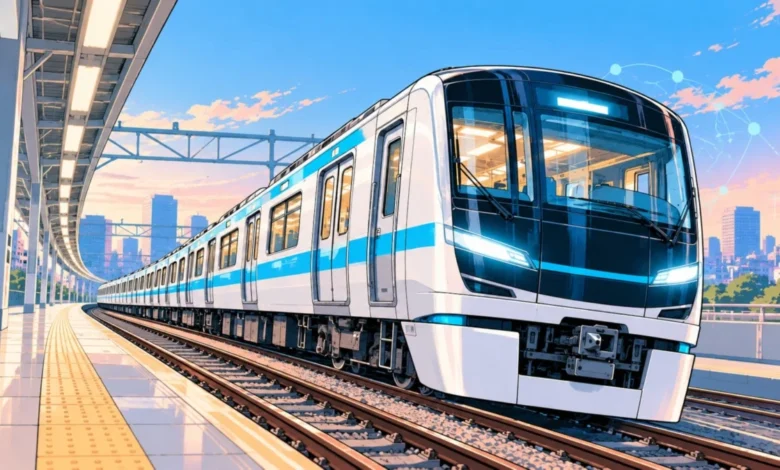
Major private railway and hospitality operator Keio Corporation has confirmed that its corporate network fell victim to a sophisticated ransomware attack over the weekend, resulting in significant disruptions to critical business systems and internal infrastructure. The cyberattack, which was detected in the early hours of Saturday, September 26, 2026, prompted an immediate emergency response from corporate IT security teams. As part of established incident response protocols, the company elected to proactively disconnect and shut down vast segments of its network to contain the lateral movement of the malware and prevent further compromise.
While the incident severely impacted administrative and customer-facing functionalities within the corporate and hospitality sectors of the enterprise, critical rail transportation infrastructure remained completely insulated from the breach. Consequently, millions of daily commuters relying on Keio’s extensive railway network experienced no disruption to train schedules or physical transit safety systems. Nevertheless, the attack highlights the persistent and evolving threat that ransomware poses to large-scale conglomerates operating across diverse industrial sectors, spanning both public mass transit and private hospitality management.
Anatomy of the Breach and Immediate Response
The security event came to light during routine system monitoring in the early morning hours, when anomalies indicated unauthorized access and subsequent encryption activities across the group’s central servers. Recognizing the severity of the threat, Keio executives mobilized an incident response task force, cutting off internet connectivity and isolating key internal servers to thwart the ransomware deployment.
In an official statement released shortly after the containment measures were enacted, Keio addressed the nature of the breach: "In the early hours of September 26, 2026, we confirmed a ransomware attack on our group’s servers. We have reported the incident to the police and are conducting an investigation into the attack’s route and damage with the cooperation of external experts."
Forensic investigators, working alongside specialized external cybersecurity consultants and local law enforcement authorities, are currently performing a comprehensive root-cause analysis. A primary focus of the ongoing investigation is determining the exact vector utilized by the threat actors to gain initial access to the corporate perimeter. Additionally, forensic experts are meticulously auditing logs to ascertain whether sensitive data—including proprietary business partner documents, internal communications, or customer personal identifiable information (PII)—was exfiltrated prior to the encryption phase.
Impact on Hospitality Operations and Payment Processing
Although Keio’s primary transit operations escaped unscathed, the ripple effects of the cyberattack were acutely felt within the organization’s hospitality division. Keio Corporation manages a prestigious portfolio consisting of 25 hotels, most notably the prominent Keio Plaza Hotel Tokyo, which serves as a major hub for international tourists and business travelers.
Localized disruptions quickly materialized across multiple customer-facing platforms. Local media reports and official advisories published on the Keio Plaza Hotel Tokyo website warned guests of potential administrative delays and operational friction. Specifically, internal payment processing systems were knocked offline or severely degraded, forcing hotel staff to transition to manual workarounds for check-ins, billing, and reservation management.
Management has sought to reassure guests and stakeholders that physical security measures, guest safety protocols, and room automation technologies remain functional. However, the reliance on contingency procedures underscored the operational vulnerabilities introduced when centralized administrative networks are suddenly severed. As of the time of reporting, no known ransomware cartel or extortion group has publicly claimed responsibility for the attack on Keio Corporation by listing the organization on a dedicated leak site, leaving the identity and motivations of the cybercriminal syndicate obscured.
Corporate Profile and Operational Scale
To fully comprehend the scope of the potential operational disruption, it is essential to examine the vast economic and logistical footprint of Keio Corporation. Established as a cornerstone of modern Japanese infrastructure, the Tokyo-based conglomerate is a heavyweight in both regional transportation and commercial real estate and hospitality.
Keio operates an extensive railway network spanning 85 kilometers of operational track, servicing 69 distinct stations across the Greater Tokyo Area and facilitating the daily commutes of hundreds of thousands of passengers. Beyond its transit obligations, the corporation commands a formidable presence in the hospitality sector through its chain of 25 hotels. The enterprise employs a dedicated workforce exceeding 2,200 individuals and generates a robust annual revenue of approximately $2.6 billion USD.
Because conglomerates of this magnitude rely on tightly integrated enterprise resource planning (ERP) systems to manage supply chains, accounting, employee databases, and customer relationship management, a disruption to central servers inevitably creates administrative bottlenecks, even if core operational machinery—such as train signaling systems—remains physically segregated on air-gapped or segmented networks.
Concurrent Incidents: The Tokyo Metro Security Event
Adding to the gravity of the weekend’s events, Keio Corporation was not the only major Japanese transit operator to confront a cyber security incident during the same timeframe. In a closely timed disclosure, Tokyo Metro—another colossal pillar of Japan’s public transportation infrastructure—revealed that it too had suffered a security breach over the weekend.
Unlike the ransomware-driven, operational disruption experienced by Keio, Tokyo Metro’s incident involved unauthorized external access to corporate databases housing subscriber data. According to official disclosures released by Tokyo Metro, threat actors successfully breached a server containing the email addresses of 59,000 registered club members.
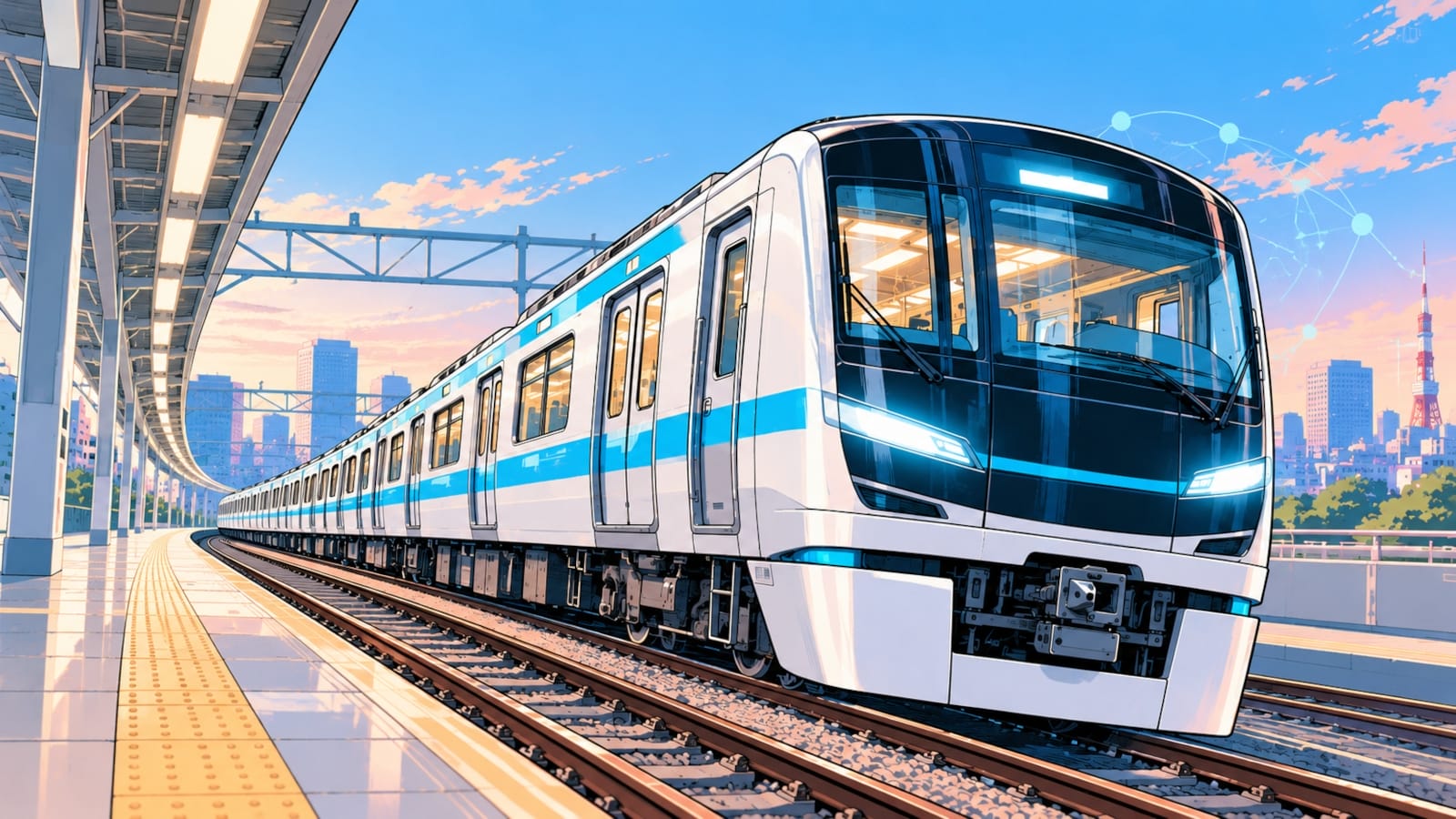
Tokyo Metro manages a massive underground transit network comprising nine distinct subway lines, stretching across 195 kilometers of track and servicing 180 stations. The network is a vital artery for the capital city, carrying an astronomical average of 7 million passengers daily.
Prompted by the unauthorized intrusion, Tokyo Metro’s security teams initiated an immediate forensic audit. The company confirmed that the compromised database was strictly limited to member email addresses and did not contain financial records, credit card numbers, or passwords. Crucially, Tokyo Metro announced that it has successfully identified and patched the specific security vulnerability exploited by the attackers, effectively closing the access vector and fortifying its perimeter against secondary intrusions.
Analyzing the Correlation: Coordinated Campaign or Coincidence?
The near-simultaneous disclosure of major cyber incidents affecting two of Tokyo’s most prominent transportation giants—Keio Corporation and Tokyo Metro—has inevitably sparked widespread speculation within cybersecurity circles regarding a potential coordinated campaign.
Industry analysts and threat intelligence researchers are closely examining whether the attacks stem from a single sophisticated threat actor or APT (Advanced Persistent Threat) group targeting critical infrastructure in East Asia, or if the timing is merely a statistical coincidence. Historically, cybercriminal syndicates and state-sponsored espionage groups have occasionally launched synchronized campaigns against specific economic sectors to maximize psychological impact, test defensive readiness, or exploit shared third-party vendor vulnerabilities.
However, significant technical distinctions separate the two events. Keio was targeted by a destructive ransomware payload that resulted in system encryption and operational downtime within its hospitality segment, while Tokyo Metro experienced a targeted data intrusion focused on exfiltrating user contact information without deploying ransomware or disrupting train operations. Until comprehensive technical indicators of compromise (IoCs) and attribution data are made publicly available by law enforcement or third-party incident responders, cybersecurity experts urge caution against premature conclusions regarding direct operational links between the two breaches.
Broader Implications for Critical Infrastructure and the Hospitality Sector
The dual incidents involving Keio Corporation and Tokyo Metro serve as a stark reminder of the escalating cyber threat landscape confronting global mass transit and hospitality industries. As critical infrastructure sectors undergo rapid digital transformation—integrating cloud services, Internet of Things (IoT) devices, and automated management platforms—the attack surface expands exponentially, offering malicious actors numerous entry points for exploitation.
Ransomware operators increasingly view large corporate entities and hospitality chains as high-value targets due to the immense pressure these organizations face to restore services quickly and protect their brand reputation. When payment systems are crippled or administrative networks are held hostage, business continuity is severely threatened, driving up the temptation to negotiate with extortionists—a practice strongly discouraged by global cybersecurity agencies and law enforcement bodies.
Furthermore, the breach of Tokyo Metro underscores the enduring vulnerability of customer data repositories. Even when core operational assets remain secure, the exposure of constituent contact information can pave the way for sophisticated phishing campaigns, credential-stuffing attacks, and social engineering schemes targeting millions of transit users.
As the investigations led by Keio Corporation, Tokyo Metro, and Japanese law enforcement continue to unfold, the events of this past weekend will undoubtedly prompt a rigorous reassessment of cybersecurity postures across the nation’s transportation and hospitality sectors. Organizations of similar scale are expected to accelerate investments in zero-trust architectures, enhanced endpoint detection and response (EDR) solutions, and rigorous third-party vendor risk management to safeguard against the relentless tide of modern cyber threats.