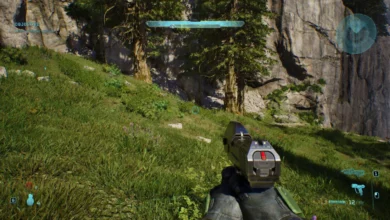
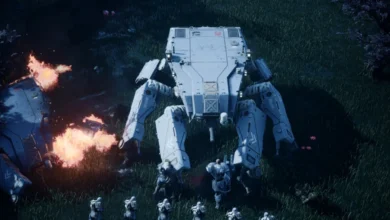
ZA/UM Studio Announces Significant Layoffs Following Underwhelming Commercial Performance of "Zero Parades: For Dead Spies"

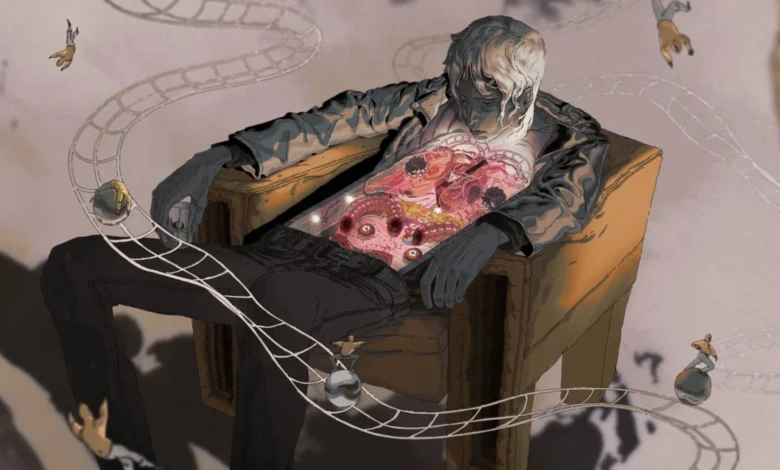
ZA/UM Studio, the embattled developer behind the critically lauded "Disco Elysium," has announced a substantial round of layoffs, impacting up to 32 employees across all departments. The studio cited the "commercial performance" of its latest release, "Zero Parades: For Dead Spies," as the primary driver for these workforce reductions. According to a statement released by ZA/UM on Friday afternoon, sales of the spiritual successor have not been sufficient to "sustain a studio of our current size." This development casts a shadow over the studio, which has been a focal point of intense public scrutiny and protracted legal disputes since the original triumph of "Disco Elysium" in 2019.
The Financial Realities of Critical Acclaim
While "Zero Parades: For Dead Spies" has garnered considerable critical praise, akin to its predecessor, its commercial reception has evidently fallen short of ZA/UM’s financial expectations. The studio, which was reported to have approximately 100 employees as of October 2025, a period marked by the formation of the UK’s first recognized video game developers’ union, the ZA/UM Workers’ Alliance, stated that it has been engaged in consultations with union representatives throughout the layoff process. This indicates a commitment to navigating the difficult decisions in coordination with employee representatives, even amidst financial pressures.
The full statement issued by ZA/UM reads as follows:
"Today, we are sharing difficult news. While Zero Parades: For Dead Spies was released to critical acclaim, its commercial performance has not enabled us to sustain a studio of our current size. We have served redundancy or at-risk notices impacting up to 32 of our colleagues across all departments at ZA/UM Studio. Their work has made a lasting difference and left its mark on Zero Parades: For Dead Spies, and the studio as a whole. Throughout this difficult process, we have continued to consult and work with representatives of the ZA/UM Workers’ Alliance. This changes the shape of ZA/UM, but not its purpose. Our artistic standards remain unchained: we will persist. To anyone currently hiring, please consider the colleagues leaving ZA/UM."
A Troubled History and Public Reaction
The announcement of layoffs has predictably ignited a torrent of critical responses across social media platforms, largely stemming from ZA/UM’s highly publicized and contentious history. The ongoing saga of internal disputes and legal battles has significantly shaped the public perception of the studio, often overshadowing its creative output. Many comments express sympathy for the affected employees, acknowledging the challenging state of the wider game development industry.
One widely shared sentiment on Bluesky from user Eimmy articulated this concern: "I feel terrible for the workers, especially since gamedev is absolute shit rn (I’m not coming back unless I absolutely have to). They deserve a safe and rewarding job. Unfortunately Zaum is not that place and it will fall sooner or later, since they poisoned the brand for [the] majority of fans." This reflects a broader sentiment that the internal conflicts have eroded goodwill and potentially impacted the studio’s long-term viability and appeal to its core audience. The decision to disable replies on social media platforms like X (formerly Twitter) and Bluesky, while allowing quote tweets and shares, suggests an attempt by ZA/UM to manage the narrative and perhaps avoid direct confrontation with the public outcry.
The Legacy of "Disco Elysium" and Internal Strife
The roots of ZA/UM’s current predicament are deeply intertwined with the tumultuous aftermath of "Disco Elysium." The game’s success brought immense critical acclaim but also exacerbated existing tensions within the studio. Key creative figures, including game director Robert Kurvitz and art director Aleksander Rostov, have publicly accused ZA/UM’s management, specifically Ilmar Kompus and Tõnis Haavel, of fraudulent acquisition of the studio and its intellectual property. These accusations, first brought to light following their dismissal, alleged that they were "summarily fired and cut off from our life’s work" after questioning financial records.
Conversely, Kompus and Haavel have vehemently denied any wrongdoing, asserting that they have not engaged in "any claim of financial malfeasance or fraud." In a counter-statement, they detailed a series of allegations against the former employees, including accusations of prolonged periods of inactivity while still receiving salaries, fostering a "toxic work environment," and attempting to illegally sell ZA/UM’s intellectual property to other companies. Kurvitz has consistently refuted these claims, characterizing them as a deliberate tactic to "create division between workers" and divert attention from alleged illegal activities.
A Web of Disputes and Successors
The protracted legal and public relations battles have been extensively documented, notably through investigative reporting by outlets like People Make Games and in-depth documentary features. These reports have highlighted the complexity of the disputes, with various legal proceedings initiated, some of which have been dismissed or withdrawn, while others continue to be contested through public statements.
This internal turmoil has also spawned a unique phenomenon: the emergence of multiple studios formed by former "Disco Elysium" developers, each aiming to create spiritual successors to the beloved RPG. However, even these new ventures have not been immune to the legacy of conflict, becoming entangled in further legal challenges and disputes.
ZA/UM’s current situation is not without precedent. In 2024, the studio reportedly cancelled a "Disco Elysium" spin-off and laid off approximately a quarter of its staff. Reports from that period also suggested a workplace environment "rife with crunch, burnout and conflict," adding another layer to the ongoing narrative of internal struggles.
"Zero Parades: For Dead Spies": A Critical Darling Facing Commercial Hurdles
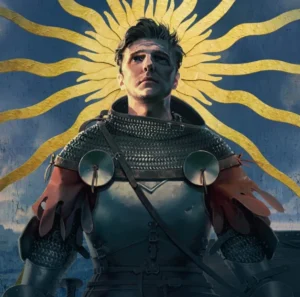
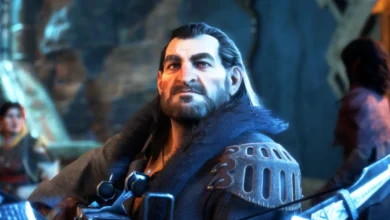
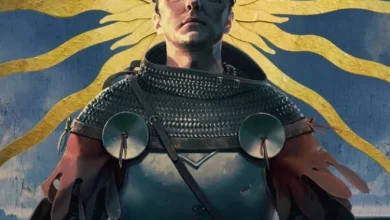
"Zero Parades: For Dead Spies," released just two months prior to the layoff announcement, represents ZA/UM’s latest creative endeavor. The game has been lauded for its narrative depth and evocative atmosphere, drawing comparisons to "Disco Elysium." A five-star review on Eurogamer described it as a game of "bristling reactivity, woven into gorgeous prose and a constellation of characters big and small, each a critical texture in the fabric of a living, breathing story," and the "cumulative work of a creative team at the top of their game." The reviewer further characterized it as a "narrative distillation of the familiar into a messy, painful journey that feels, at turns, cinematic and mundane, sharp and silly — a fine-tuned caricature of humanity’s petty, poisoned psyche, a game made with care, for only the finest sickos."
Despite such effusive praise, the commercial performance has evidently not translated into the financial stability required for a studio of ZA/UM’s size. This underscores a persistent challenge in the games industry: the often-significant gap between critical acclaim and commercial success, particularly for ambitious, narrative-driven titles that may appeal to a dedicated but not necessarily mass market.
Implications and Future Outlook
The implications of these layoffs are multifaceted. For the 32 individuals affected, it represents a significant disruption and the loss of their current roles. The broader gaming community will undoubtedly watch ZA/UM’s trajectory with keen interest, given its controversial past and its role in shaping modern narrative RPGs.
The studio’s statement, while acknowledging the difficult changes, emphasizes its commitment to its artistic vision: "This changes the shape of ZA/UM, but not its purpose. Our artistic standards remain unchained: we will persist." This suggests a determination to continue developing games, albeit with a potentially smaller team and a recalibrated operational model.
The ongoing legal disputes, the formation of successor studios, and the recent layoffs paint a complex and often disheartening picture of a studio grappling with the consequences of its creative triumphs and internal conflicts. The story of ZA/UM serves as a potent reminder of the delicate balance between artistic ambition, financial sustainability, and the human cost of business decisions within the volatile landscape of the video game industry.
As is customary in reporting on workforce reductions in the games industry, Eurogamer extends its best wishes to all those impacted by these layoffs, hoping they find new and fulfilling opportunities in their future endeavors. The ultimate resolution of ZA/UM’s internal conflicts and its long-term success remain subjects of significant speculation and will likely unfold over time.