Fat Bear Week 2025 champion Chunk returns to Katmai as the countdown to the 2026 competition begins

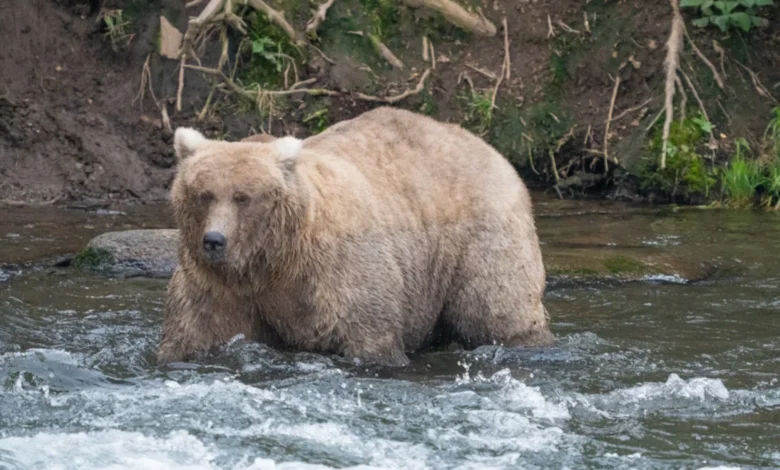
The anticipation at Katmai National Park and Preserve has reached a fever pitch as Bear #32, widely known by his moniker "Chunk," has made a highly visible return to the Brooks River ahead of the 2026 Fat Bear Week festivities. His reappearance on the explore.org live cameras, which serve as a digital window into the lives of Alaska’s brown bear population, provides a focal point for enthusiasts and scientists alike. As the park prepares for the official kickoff of the 2026 tournament on September 22, the return of the reigning champion serves as a reminder of the raw, often unforgiving, and biologically complex reality of life in one of the world’s most productive salmon-spawning ecosystems.
Chunk’s status as the 2025 champion was cemented through a decisive victory, where he secured 96,350 votes—a staggering margin of 30,000 votes over the runner-up, Bear 856. This popularity is driven not only by his immense physical presence, often estimated at upwards of 1,200 pounds, but also by the narrative of resilience that has defined his recent years.
A Portrait of Resilience: The Story of Chunk
Chunk is easily identified by a distinct physical profile: narrow-set eyes, deep brown fur, and a prominent brow ridge. However, it was his 2025 season that truly captured public interest. Emerging from his winter den with a severe, misaligned jaw fracture—likely sustained during a territorial dispute with a rival boar—Chunk faced an uncertain future. In the wild, such an injury would typically result in significant weight loss or even starvation.
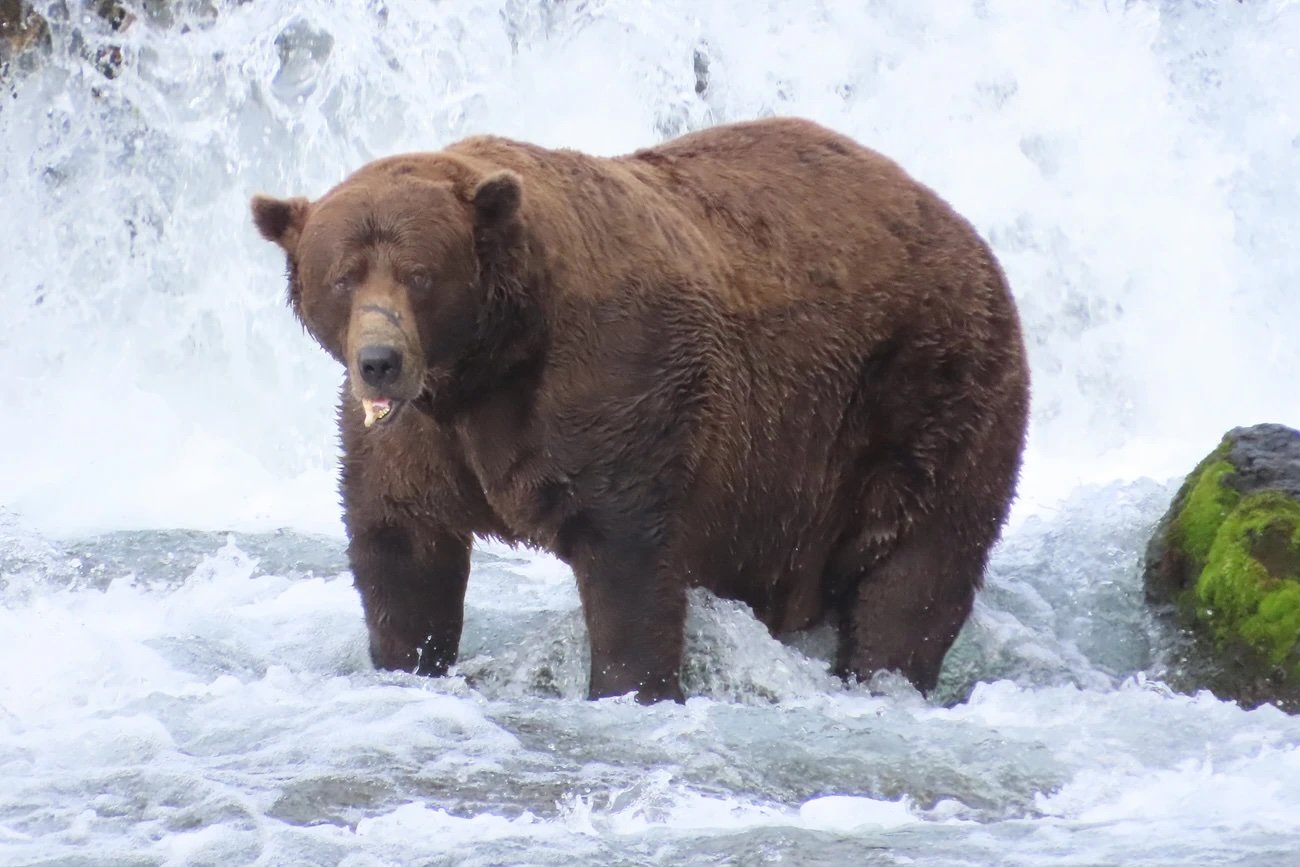
Instead, the bear demonstrated a remarkable capacity for behavioral adaptation. Observers from explore.org noted that Chunk altered his fishing strategy, minimizing direct physical confrontations with other dominant males to conserve energy. He refined his technique to capture salmon despite the limitations of his mandible, ensuring he remained at the Brooks River’s most productive fishing spots. His ability to maintain his status as one of the largest bears in the region while navigating a significant physical impairment has turned him into a symbol of biological fortitude. His early arrival this season, having been spotted as far back as April, suggests he has successfully maintained his health through another winter cycle.
Fat Bear Week 2026: The Tournament Structure
Fat Bear Week, which has evolved from a local park outreach initiative into a global digital phenomenon, is a celebration of the bears’ success in preparing for hibernation. The competition acts as a proxy for the ecological health of the Katmai region.
The 2026 iteration is scheduled to run from Tuesday, September 22, through Tuesday, September 29. The process is designed to be both educational and engaging. During the bracket-style tournament, the public is presented with "before and after" photographic evidence of the bears. These comparisons highlight the dramatic physiological changes that occur as bears move from the lean months of early summer—when they may weigh around 700 pounds—to the late autumn, where their mass can balloon past 1,200 pounds as they store the fat reserves necessary to survive the winter.
Voting takes place at fatbearweek.org, with polls open daily from noon to 9 p.m. EDT. The National Park Service encourages participants to read the detailed life histories provided for each bear, which include information about their lineage, personality, and the specific survival challenges they have faced throughout the season.
Contextualizing the Competition: Past Rivals and Regional Dynamics
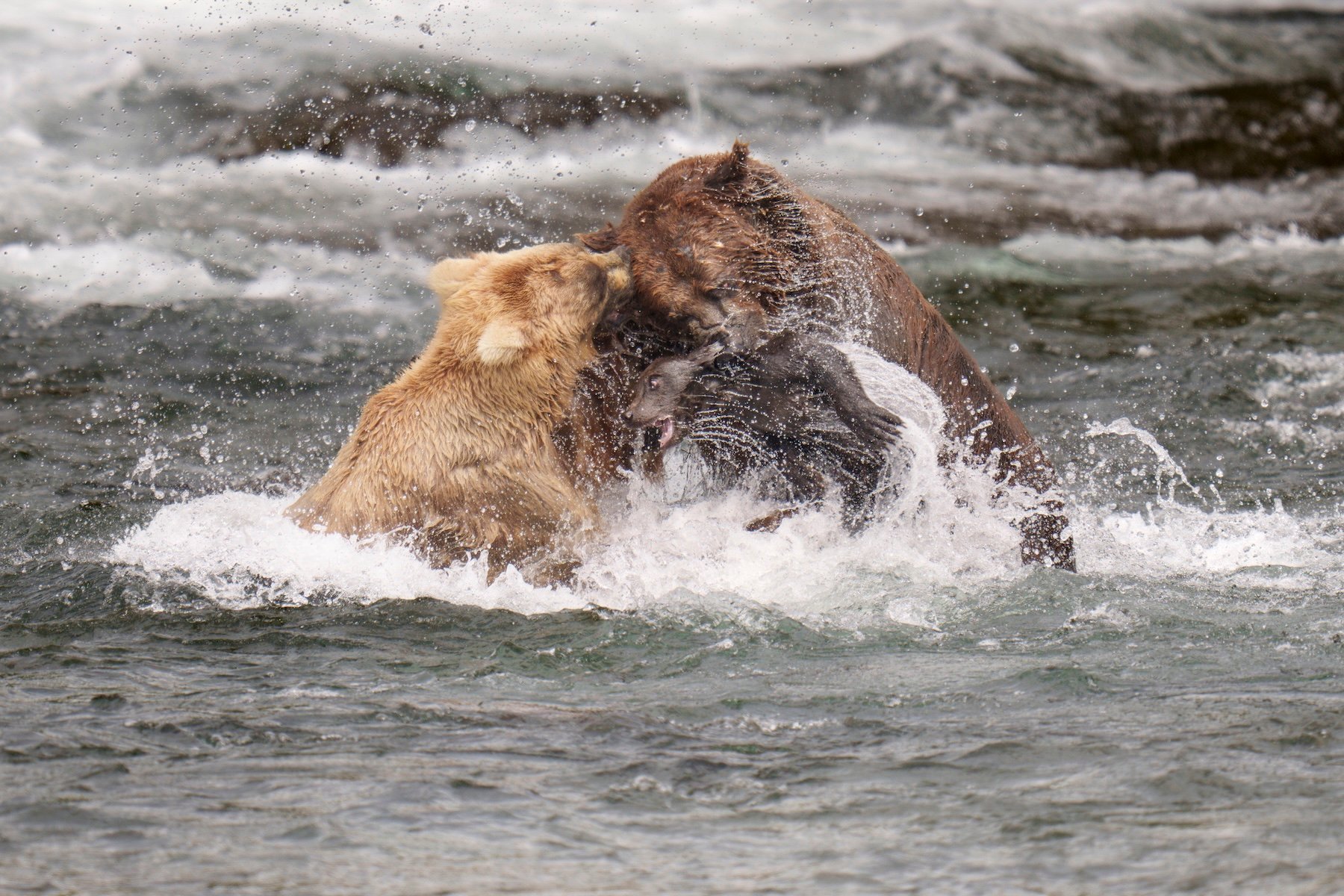
The landscape of Katmai’s bear population is highly dynamic, characterized by shifting alliances and intense competition. Chunk’s path to the 2025 title followed a period of intense scrutiny, particularly regarding his interactions with other bears. In 2024, the title was claimed by "Grazer," a dominant female who has become a legend in her own right.
The rivalry between Chunk and Grazer reached a somber inflection point during the 2024 season. In a widely reported incident at Brooks Falls, Chunk engaged in an aggressive encounter with two of Grazer’s cubs. Despite Grazer’s ferocious defense, one of the cubs succumbed to the injuries sustained in the interaction. While such events are difficult for the public to witness via the livestream, biologists emphasize that this behavior is a known, albeit tragic, part of brown bear biology. The survival of cubs is subject to high mortality rates due to the presence of large, unrelated boars and the intense competition for resources.
The Science of Survival: Observations from the 2026 Season
The 2026 season has been particularly informative for researchers, offering a rare, up-close look at the complexities of the brown bear life cycle. In July, cameras captured a rare instance of a cub being predated upon by an unrelated female (Bear 806), followed by the loss of one of Bear 335’s (Jolly) cubs in early August.
According to naturalist Mike Fitz and park rangers Christine Loberg and Sarah Bruce, these incidents represent some of the first documented cases of such behavior at the Brooks River. While the exact drivers—ranging from food scarcity to dominance struggles—remain a subject of scientific debate, the documentation of these events is invaluable for understanding how the Katmai bear population regulates itself.

Despite these harsh realities, the season has also provided moments of wonder. The emergence of a cub with distinctive silver-hued fur, the innovative fishing strategies of Bear 164 (Bucky Dent), and the uncanny ability of Bear 284’s (Electra) family to navigate the river have kept the viewing public deeply invested in the daily lives of these animals.
Supporting the Ecosystem: The Otis Fund
The popularity of the live cameras and the Fat Bear Week tournament has translated into tangible support for the park. A key component of this effort is the Katmai Conservancy’s "Otis Fund." Named in honor of Bear 480 (Otis), a four-time champion who was a fan favorite until his passing around 2024, the fund supports the essential work of the National Park Service in managing the bear population and protecting their habitat.
For the 2026 season, explore.org has committed to matching all donations made to the Otis Fund between September 22 and October 3. This financial support is critical for maintaining the technological infrastructure that allows for the 24/7 livestreaming of the Brooks River, as well as for ongoing scientific research into the health and movement of the Katmai bears.
Looking Ahead: Implications for Conservation
As the bracket for the 2026 tournament is set to be revealed on September 18, the return of Chunk serves as a focal point for a broader discussion on the importance of wildlife conservation. The "Fat Bear" phenomenon does more than just entertain; it provides a platform for the public to engage with the reality of climate change, habitat preservation, and the specific needs of apex predators in a changing environment.
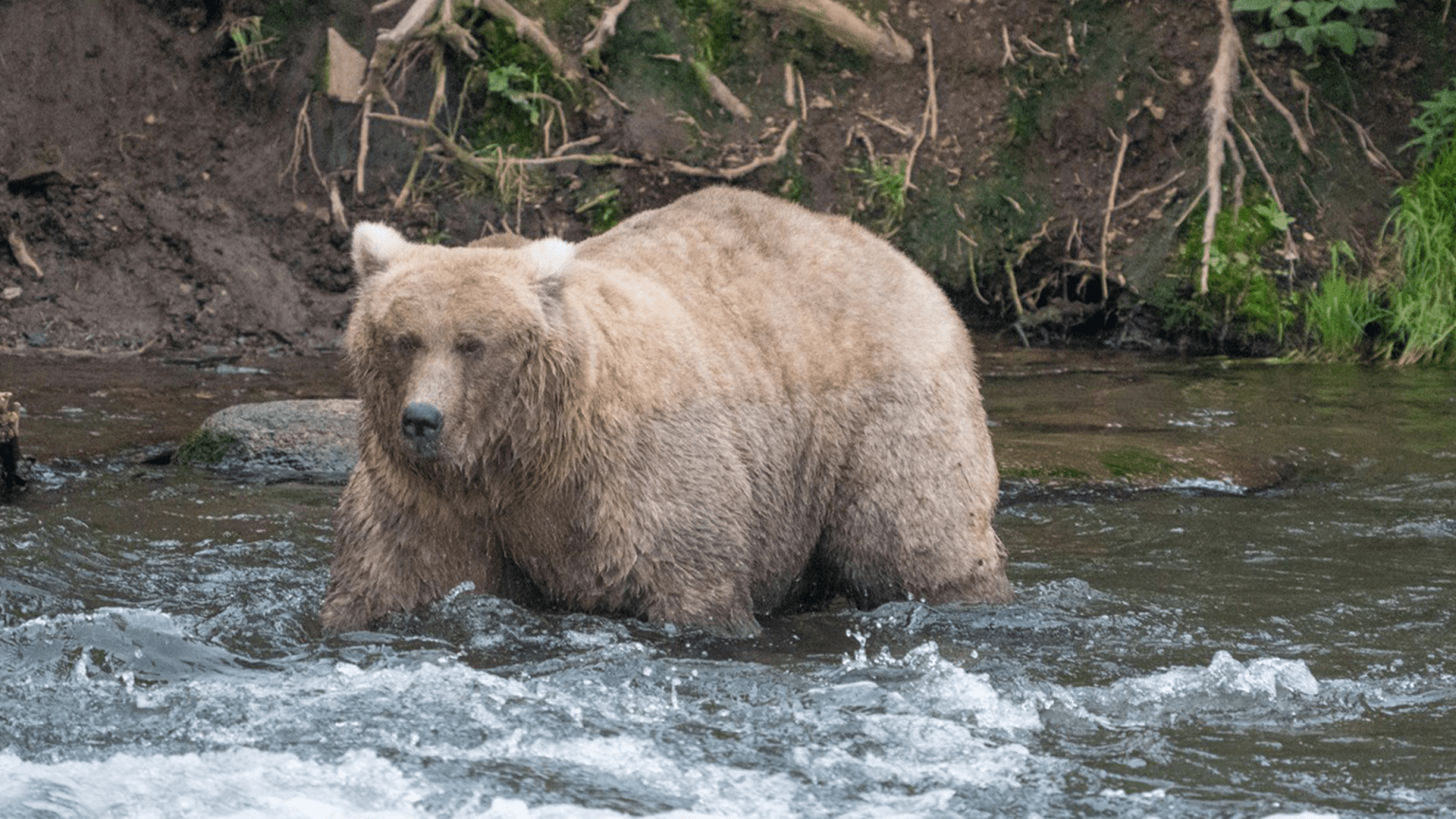
The success of these bears is a direct reflection of the productivity of the salmon runs in the Katmai river systems. Any fluctuation in fish populations directly impacts the ability of bears to reach the weight necessary to survive the winter. By following these bears, the public is essentially participating in a long-term observational study that provides researchers with data on how these animals adapt to environmental stressors.
As the voting window approaches, the public is reminded that these bears are not merely characters in a reality show, but vital components of an ancient ecosystem. Whether Chunk defends his title or a new champion emerges from the rugged wilderness of the Brooks River, the true success of Fat Bear Week lies in the increased awareness and protection of one of North America’s most vital natural habitats. The 2026 competition promises to be a rigorous test of endurance, both for the bears in the river and for the supporters who track their progress from afar.