A Thriving Fan Creation: GTA: Carcer City Brings Manhunt’s Gritty Metropolis to Life in San Andreas

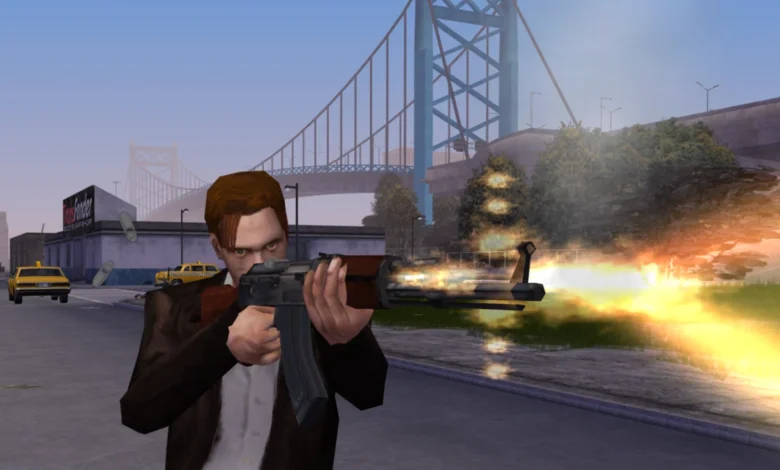
Thirteen years in the making, a remarkable total conversion mod for Grand Theft Auto: San Andreas, titled GTA: Carcer City, has finally offered players a new, expansive urban landscape to explore. This ambitious project meticulously recreates the desolate and dangerous metropolis of Carcer City, the infamous setting of Rockstar Games’ chilling 2003 title, Manhunt. This development is a testament to the enduring power of fan dedication and the creative potential within established game engines, breathing new life into a beloved classic.
The genesis of GTA: Carcer City lies in the desire to bridge the universes of two distinct Rockstar Games titles. While Grand Theft Auto is known for its satirical take on American life, Manhunt plunged players into a darker, more visceral world. The mod developers have ingeniously merged these experiences by transplanting the grim atmosphere and distinct urban design of Manhunt’s Carcer City into the robust framework of Grand Theft Auto: San Andreas. This fusion offers players a unique opportunity to experience a familiar gameplay style within a starkly different narrative and environmental context.
The Genesis of a Gritty Metropolis
Carcer City, as depicted in Manhunt, is a fictional American metropolis characterized by its bleak industrial landscape and pervasive sense of decay. Rockstar Games has confirmed that its various game universes exist within a shared continuity, a detail that often fades from public consciousness amidst the clamor of new releases. GTA: Carcer City leans heavily into this shared lore, positioning its version of Carcer City in the northeastern Rust Belt. This strategic placement allows for visual influences from real-world urban centers such as Detroit, Cleveland, and Pittsburgh, cities known for their post-industrial heritage and urban revitalization efforts.
The mod’s design thoughtfully incorporates a variety of distinct districts to simulate a living, breathing city. Players can navigate a towering downtown area, replete with skyscrapers that symbolize corporate power and economic disparity. A bustling shipping port evokes the city’s industrial backbone and its connection to global trade, while an airport hints at outward mobility and escape, or perhaps the arrival of new threats. A more historic old town section provides a sense of the city’s past, offering a stark contrast to its modern, often brutal, present. Crucially, the mod developers have also integrated "all of the locations from the levels featured in Manhunt" into the city’s layout. This inclusion serves as a direct nod to the original game’s content, allowing fans of Manhunt to recognize and revisit key environments within the Grand Theft Auto engine.
A Darker Narrative and Immersive Tone
Unlike the often lighthearted and satirical narratives of the Grand Theft Auto series, GTA: Carcer City aims for a significantly darker and more immersive tone. Set in the year 2001, the mod introduces a "brand new storyline" that seeks to capture the oppressive atmosphere and psychological tension of Manhunt. This narrative approach suggests a departure from the typical GTA fare, potentially bridging the gap between the open-world freedom of Grand Theft Auto and the focused, brutal gameplay of Manhunt. The developers’ intention appears to be the creation of an experience that is both familiar in its mechanics and unsettlingly novel in its thematic exploration.
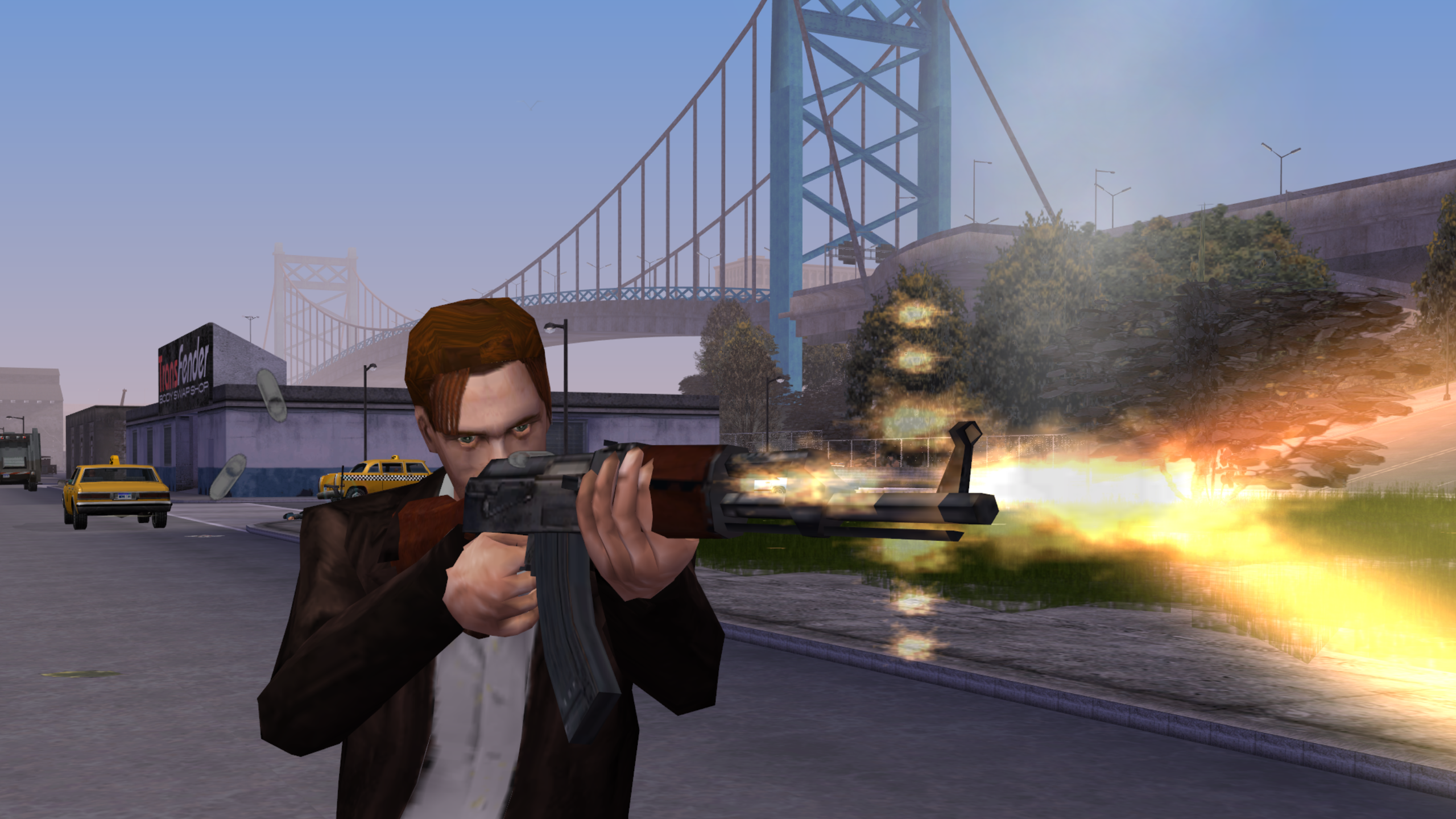
Initial gameplay footage of GTA: Carcer City showcases a gameplay loop that closely resembles the PlayStation 2 era of Grand Theft Auto titles. Players can expect the characteristic blend of arcade-style driving mechanics and third-person combat. While the gunplay might exhibit some of the "ropey" qualities inherent to older game engines, this is an expected characteristic of ambitious modding projects and not a reflection of the mod’s overall quality. The true impressiveness of GTA: Carcer City lies in its successful recreation of a detailed urban environment and its commitment to a distinct narrative tone, rather than a complete overhaul of the underlying gameplay mechanics.
Development Timeline and Modding Landscape
The development of GTA: Carcer City has been a protracted endeavor, spanning thirteen years. This lengthy development cycle is not uncommon for large-scale total conversion mods, which often require significant time, resources, and dedication from volunteer teams. Projects of this magnitude involve intricate map design, asset creation, scripting, and extensive testing. The persistence of the development team underscores their commitment to realizing their vision and delivering a high-quality fan-made experience.
The current release of GTA: Carcer City is a demo, providing players with access to the entire city and a preview of its narrative elements. While there is no concrete release date for the full version, the developers have not provided an estimate for its completion. Given the historical context of ambitious modding projects, it is reasonable to infer that the full release will likely be some time away. This extended development period also means that the full version of GTA: Carcer City may not be available before the highly anticipated release of Grand Theft Auto 6, which is slated for November 19th. This juxtaposition highlights the dynamic nature of the gaming landscape, where official releases and dedicated fan creations continue to coexist and evolve.
Supporting Data and Technical Achievements
The success of GTA: Carcer City relies on its ability to leverage the capabilities of Grand Theft Auto: San Andreas’ engine while pushing its boundaries. San Andreas, released in 2004, was a groundbreaking title for its time, featuring a massive game world and a complex simulation of urban life. Modders have consistently demonstrated their ingenuity in extracting and expanding upon the game’s potential. GTA: Carcer City’s achievement lies in its ability to replace the original game’s sprawling state with a single, densely detailed metropolis.
Key technical aspects of the mod include:
- Map Replacement: The core of the mod involves a complete overhaul of San Andreas’ map, replacing its three distinct cities and countryside with a singular, cohesive urban environment. This requires meticulous world-building and asset placement.
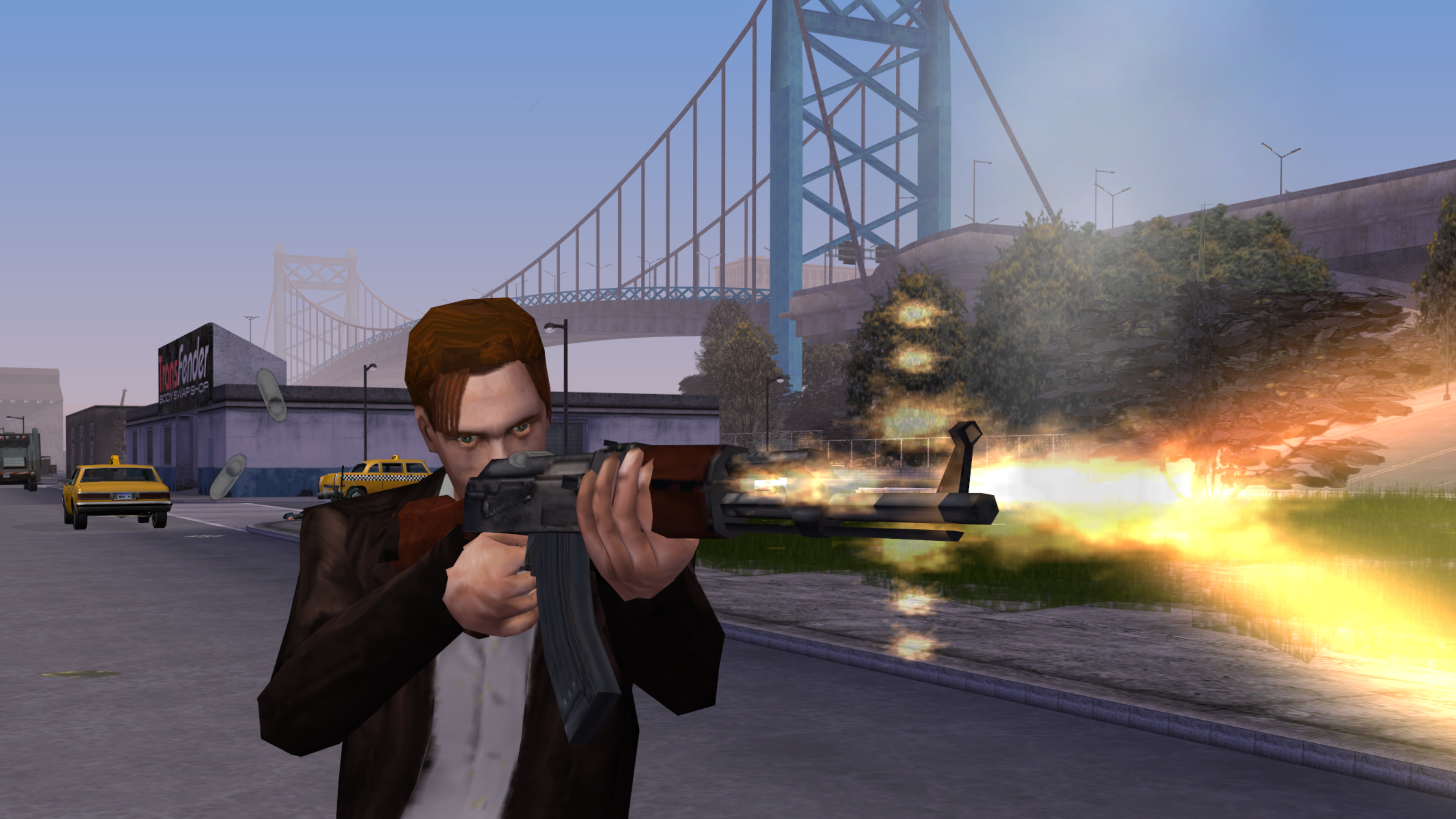
- Environmental Design: The visual fidelity of Carcer City, drawing inspiration from real-world Rust Belt cities and the aesthetic of Manhunt, is a significant accomplishment. This includes detailed textures, architectural styles, and atmospheric lighting to create a believable and immersive setting.
- Integration of Manhunt Elements: Successfully incorporating specific locations and thematic elements from Manhunt into the GTA framework demonstrates a deep understanding of both source materials. This likely involves custom scripting and object placement to recreate iconic areas.
- Narrative Implementation: Developing and integrating a new storyline within the existing GTA engine requires sophisticated scripting and potentially new dialogue systems, contributing to the mod’s immersive qualities.
Broader Impact and Implications for Modding Communities
The release of GTA: Carcer City serves as a powerful example of the vibrant and dedicated modding communities that thrive around classic video games. These communities not only extend the lifespan of beloved titles but also foster innovation and creative expression. Projects like this demonstrate that player-made content can rival, and in some cases even surpass, official expansions in terms of scope and ambition.
The long development cycle also highlights the challenges faced by modders, including the need for technical expertise, artistic talent, and sustained commitment. The fact that GTA: Carcer City has reached a playable demo stage after thirteen years is a testament to the passion and perseverance of its creators. Such projects inspire aspiring modders and contribute to a rich ecosystem of user-generated content that enriches the gaming experience for millions.
Furthermore, GTA: Carcer City’s success in merging the universes of Grand Theft Auto and Manhunt opens up possibilities for further cross-game modding endeavors. It showcases how different game engines and lore can be creatively interwoven, leading to entirely new gameplay experiences. The mod’s dark and immersive tone also suggests a growing appetite among players for more mature and thematically complex narratives within familiar game franchises.
Potential for Future Development and Fan Reception
The availability of a demo allows players to experience the core of GTA: Carcer City firsthand, providing valuable feedback to the development team. This feedback loop is crucial for refining the mod and addressing any issues before a full release. The mod’s reception so far has been largely positive, with players praising the ambition and detail of the project.
The transition from a demo to a full release will likely involve further polishing of existing content, the addition of more story missions, and potentially expanded gameplay mechanics. The continued support and enthusiasm from the modding community will be instrumental in the project’s ultimate success. As players delve deeper into the gritty streets of Carcer City, the mod’s developers will undoubtedly be motivated to bring their ambitious vision to its complete fruition, offering a unique and unforgettable experience for fans of both Grand Theft Auto and Manhunt. The thirteen-year journey of GTA: Carcer City is a compelling narrative in itself, showcasing the enduring power of fan creativity in the world of video games.