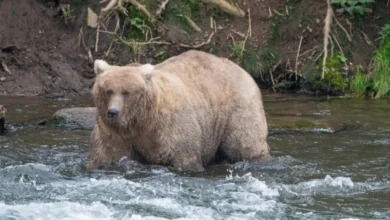
Gemini the brown bear earns the 2026 Helicopter Mom Award from the U.S. Forest Service for her intense protective instincts at Anan Creek.

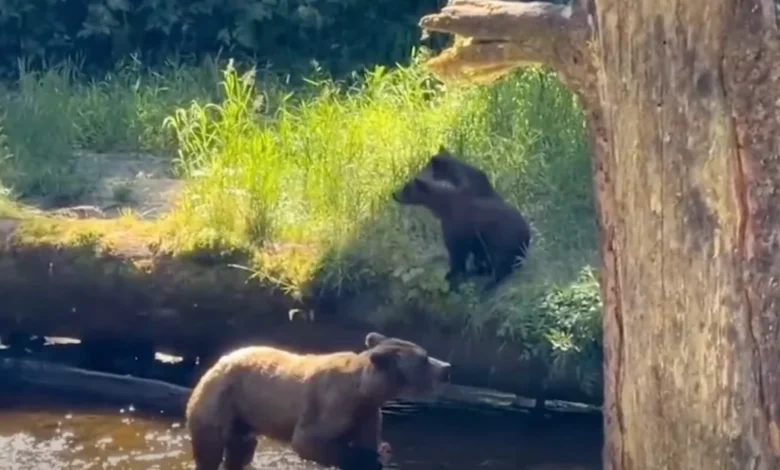
The sprawling wilderness of Alaska’s Tongass National Forest is home to a diverse array of apex predators, but this year, the U.S. Forest Service has turned its focus toward a specific behavioral phenomenon observed at the Anan Wildlife Observatory. Among the 39 bears identified as frequenting the nutrient-rich waters of Anan Creek, a brown bear (Ursus arctos) named Gemini has been officially recognized with the 2026 Helicopter Mom Award. This distinction, while playful in nomenclature, highlights the serious and high-stakes nature of maternal care in one of the most competitive foraging environments in North America.
The term "helicopter parenting," popularized in the 1990s by child development researchers Foster Cline and Jim Fay, describes a style of parental supervision characterized by intense monitoring and a tendency to intervene immediately in a child’s environment to mitigate risk. In the context of wildlife biology, this behavior is a vital survival strategy. For a brown bear sow, the stakes are exceptionally high; the wilderness is not only home to environmental hazards but also to other adult bears, including dominant males, which may pose a lethal threat to cubs.
The Dynamics of Anan Creek
Anan Creek is widely considered a premier location for bear observation due to its massive pink salmon runs, which draw bears from across the region to congregate in a relatively small geographic footprint. Managed by the U.S. Forest Service, the Anan Wildlife Observatory serves as a critical monitoring point for scientists and wildlife enthusiasts alike. The area hosts a population of 39 known bears—comprised of 31 black bears (Ursus americanus) and eight brown bears—each of whom has been cataloged and observed through a combination of on-site ranger reports and high-definition live feeds provided by explore.org.
The chronology of Gemini’s presence at Anan is well-documented. Having successfully raised litters in 2023 and 2024, Gemini’s behavior during the 2026 season demonstrated a heightened level of vigilance that distinguished her from other sows. Rangers noted that she consistently positioned herself between her cubs and potential threats, rarely allowing them to stray more than a few feet away, even during the frantic activity of the salmon run.
Biological Implications of Maternal Vigilance
The necessity of this "helicopter" behavior is backed by stark survival statistics. According to data provided by the National Park Service, brown bear cubs in Alaska face a survival rate of approximately 50 percent within their first year of life. For black bears, while the survival rate can fluctuate between 51 and 88 percent depending on food availability and regional density, the first year remains the most perilous stage of development.
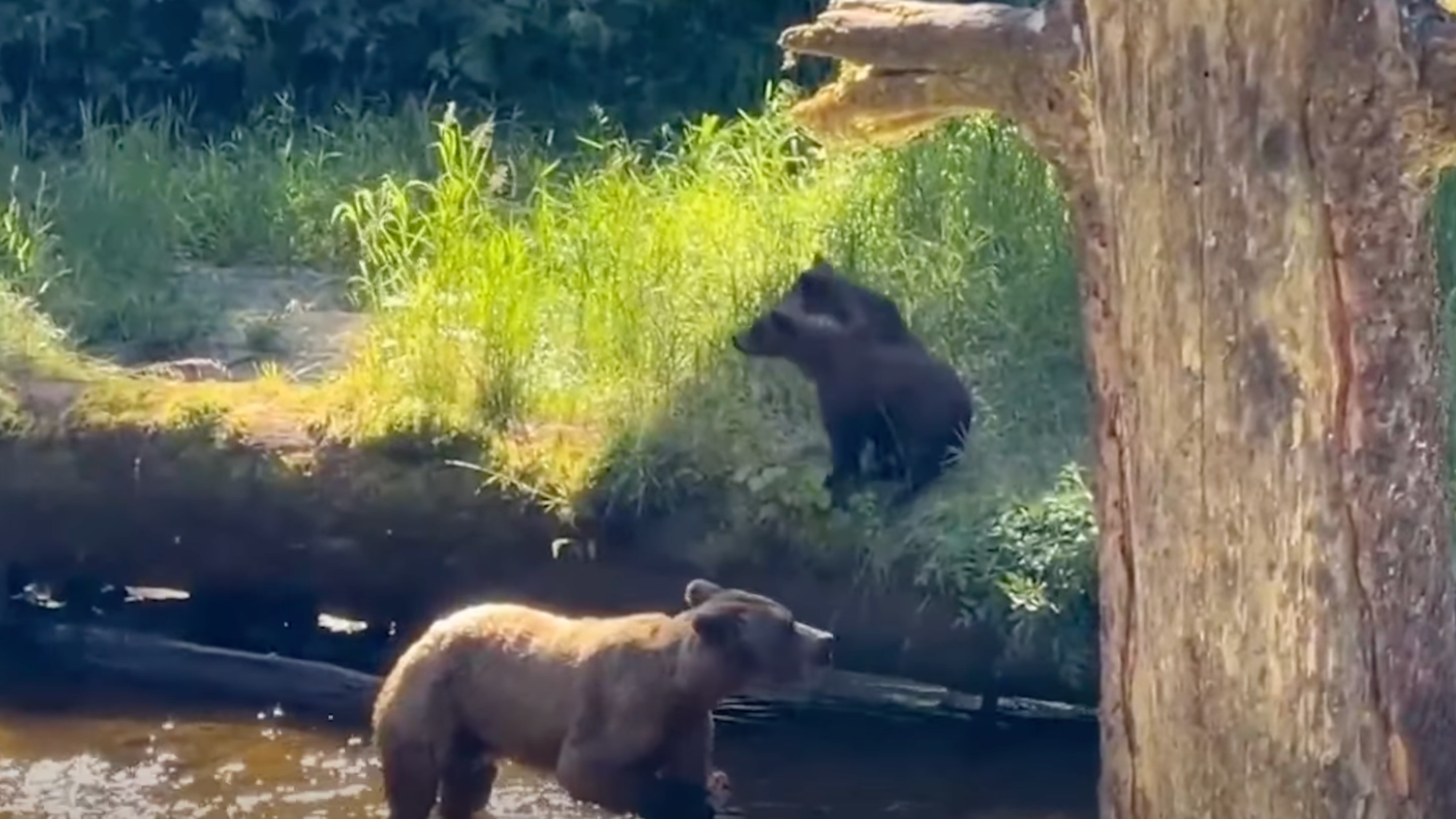
Biologists suggest that the "helicopter" approach is a calculated trade-off. By remaining hyper-vigilant, Gemini limits the time her cubs spend exploring or engaging with other bears, which reduces their immediate risk of injury or predation. However, this strategy also limits the cubs’ opportunities to learn independent foraging skills, such as efficient salmon-catching techniques. The Forest Service rangers acknowledged this nuance in their official statement, noting, "We understand her choice, weighing the dangers of being around other bears at a prime fishing location. Still, we hope we see a lot more of them next year."
The Anan Bear Awards: A Window into Wildlife
The Helicopter Mom Award is part of a broader initiative by the Tongass National Forest to engage the public in wildlife conservation. The Anan Bear Awards seek to personalize the scientific observation process, allowing the public to connect with individual animals whose life histories are tracked over several years. By identifying specific traits—such as Gemini’s protectiveness, or the fishing efficiency of other bears—the Forest Service fosters a deeper understanding of animal behavior.
The Tongass National Forest itself covers the majority of Southeast Alaska, including the region surrounding Juneau. As the largest national forest in the United States, it provides a vital habitat for eagles, mountain goats, and a high density of bear populations. The observatory at Anan Creek acts as a microcosm for the larger ecosystem, providing researchers with granular data on how climate change and fluctuating salmon populations impact the behavior of individual bears.
Technological Advancements in Conservation
The ability to observe Gemini and her peers with such detail is made possible through the collaboration between federal agencies and private partners like explore.org. The live-streaming cameras installed at the Lower Falls and caves provide a 24-hour window into the bears’ lives, offering researchers a continuous data stream that was impossible to capture just two decades ago.
This constant surveillance allows for a more comprehensive analysis of "personality" types among bears. While some bears exhibit bold, risk-taking behaviors, others, like Gemini, show clear evidence of risk-aversion. This diversity in temperament is essential for the population’s resilience; when environmental conditions change, different behavioral traits may prove more or less advantageous.
Broader Implications for Wildlife Management
The recognition of Gemini’s behavior serves as a reminder of the complex social structures that exist among bears. Far from being solitary, mindless beasts, bears at Anan Creek navigate a sophisticated social hierarchy. Understanding the role of maternal care in maintaining these populations is critical for wildlife managers who must balance human tourism at the observatory with the bears’ need for undisturbed foraging grounds.

As the 2026 season concludes, the focus shifts to the winter months, when the bears retreat to their dens. The survival of Gemini’s cubs through the coming winter will be the final test of her intensive care. For wildlife researchers, the data gathered from this season will contribute to long-term studies on how maternal behavior influences the reproductive success of brown bears in the face of shifting salmon run timings and increased human activity.
The Future of the Anan Observatory
The Anan Wildlife Observatory remains a flagship example of how public-private partnerships can successfully integrate tourism, education, and scientific research. By highlighting the individual lives of animals like Gemini, the Forest Service encourages a sense of stewardship among the public.
As climate-driven changes continue to alter the landscape of the Tongass National Forest—from the retreat of the Mendenhall Glacier to the shifting migration patterns of salmon—the bears of Anan Creek serve as indicators of the ecosystem’s health. The "Helicopter Mom" may be an award born of human anthropomorphism, but the behavior it describes is a timeless evolutionary adaptation. Gemini’s commitment to her offspring is a testament to the enduring drive to pass on genetic lineage, ensuring that the legacy of the Anan Creek bears continues into the next decade.
In summary, the recognition of Gemini is more than just a seasonal highlight; it is a recognition of the complex life-history strategies that allow species to thrive in one of the most rugged and demanding environments on Earth. As the rangers prepare for the 2027 season, they do so with the hope that Gemini’s vigilance will continue to pay off, and that the cycle of life at Anan Creek will remain a vibrant, observed, and protected natural phenomenon.
Related posts: