How Hot Does Your Water Heater Need To Be & Should You Change It During Winter?

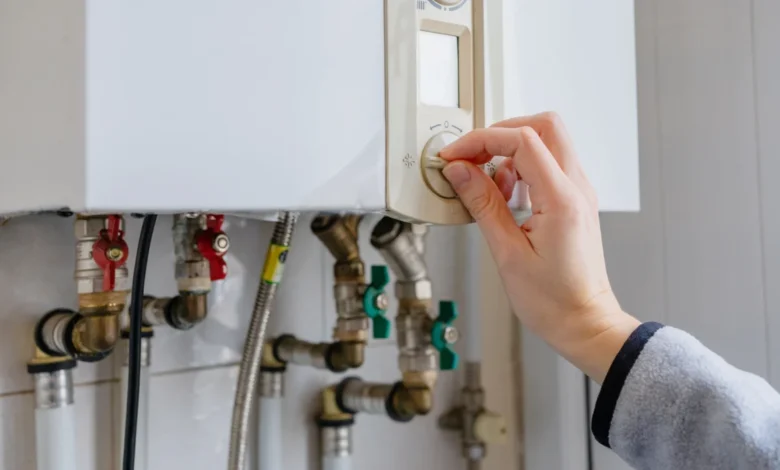
As the mercury drops across the United States, homeowners are once again evaluating their household energy consumption. While much attention is directed toward space heating thermostats, the water heater remains a significant, often overlooked, consumer of residential energy. Many households operate under the misconception that increasing the temperature of their water heater during the winter months is necessary to compensate for the colder ambient water entering the system. However, energy experts and safety advocates maintain that the optimal temperature setting remains consistent throughout the year, regardless of the season.
The Standardized Guideline: Why 120 Degrees Fahrenheit Is the Benchmark
The U.S. Department of Energy (DOE) has long established a clear recommendation for residential water heater temperatures: 120 degrees Fahrenheit. This recommendation is not arbitrary; it is a calculated balance between energy efficiency, operational costs, and personal safety. By maintaining a set point of 120 degrees, households can reduce the risk of scalding injuries while simultaneously curbing the standby heat loss that occurs when water is kept at higher temperatures for extended periods.
According to data provided by the U.S. Consumer Product Safety Commission (CPSC), the risks associated with temperatures exceeding this threshold are substantial. The physics of heat transfer demonstrates that the time required to sustain a third-degree burn decreases exponentially as water temperature rises. At 120 degrees, it typically takes five to ten minutes of exposure to cause a serious burn in an adult. However, at 140 degrees, the same injury can occur in less than five seconds. By raising a thermostat by even 10 or 20 degrees to feel "warmer" during a cold snap, a homeowner significantly narrows the window of time available to react to accidental contact, transforming a routine household chore into a potential emergency.
The Conflict Between Scalding Risk and Bacterial Proliferation
One of the most persistent technical challenges in residential water heating is the management of Legionella bacteria. This pathogen, which causes Legionnaires’ Disease, a severe form of pneumonia, thrives in warm, stagnant water. Research indicates that Legionella bacteria can colonize water tanks if the internal temperature drops below 140 degrees Fahrenheit. This creates an apparent paradox: safety organizations warn against 140-degree water due to scalding risks, while health agencies warn that anything lower than 140 degrees may provide a breeding ground for bacteria.
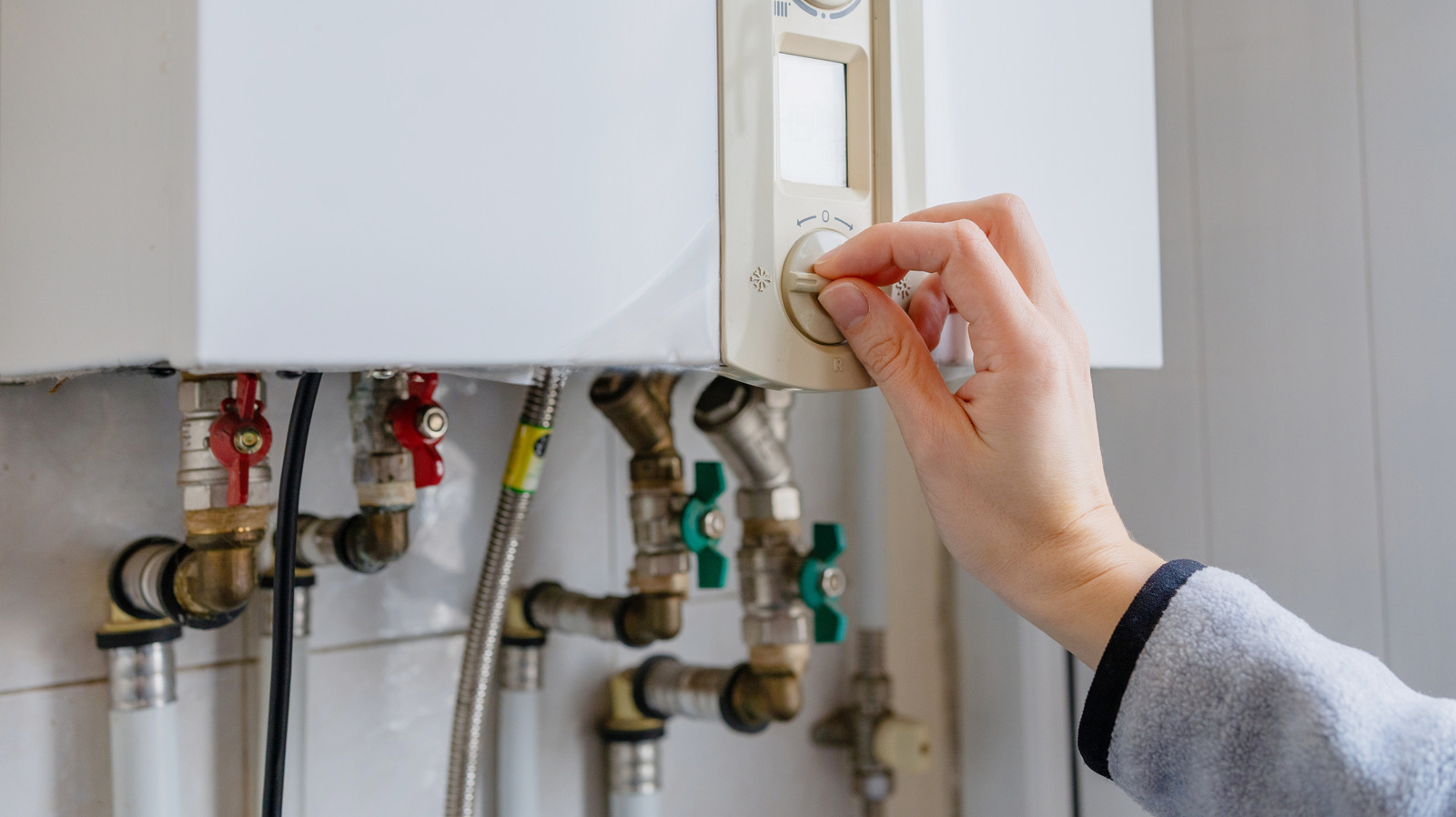
The resolution to this technical dilemma is found in the modern implementation of mixing valves. Many high-efficiency water heating systems are designed to store water at higher temperatures—typically between 135 and 140 degrees—to neutralize bacterial threats, while employing a thermostatic mixing valve at the outlet. This valve blends the hot water from the tank with cold water supply lines, ensuring that the water delivered to the tap remains a safe, constant 120 degrees. Homeowners who attempt to manually adjust their thermostat to "fight" the winter cold often bypass these safety controls or exacerbate the risk of scalding by neglecting to consider the role of the mixing valve.
Chronology of Residential Water Heating Standards
The evolution of water heater standards has shifted over the past several decades as building codes and energy efficiency regulations have tightened.
- 1970s – 1980s: Prior to the widespread adoption of the 120-degree standard, many manufacturers shipped water heaters with thermostats factory-set to 140 degrees. This was largely driven by the assumption that higher temperatures were required for efficient dishwashing and to prevent the aforementioned bacterial growth.
- 1990s: The CPSC launched a series of public awareness campaigns highlighting the danger of tap water scalding, leading to industry-wide changes. Manufacturers began recommending lower settings, and safety labels became mandatory on the exterior of tanks.
- 2015: The Department of Energy implemented stricter efficiency standards for residential water heaters (the National Appliance Energy Conservation Act), which mandated better insulation for tanks. This change made the "extra heat" approach during winter even less effective, as the improved insulation is designed to maintain the set temperature regardless of the external environment.
Practical Maintenance Tips for Winter Performance
When residents experience "cold" water during winter, it is rarely due to the thermostat setting itself. Instead, it is often a result of heat loss within the plumbing infrastructure or an aging heating element. Before attempting to adjust the thermostat, homeowners should consider the following diagnostic and maintenance steps:
Insulation of Distribution Lines:
A significant amount of heat is lost as water travels from the basement or utility closet through uninsulated walls and crawl spaces. Applying foam pipe insulation to accessible hot water pipes can prevent heat loss, ensuring that the water arrives at the tap closer to the target temperature. This is particularly effective in regions with freezing temperatures where pipes pass through unconditioned spaces.
Tank Insulation:
For older electric water heaters that lack sufficient factory-installed insulation, "water heater blankets" are a viable solution. These fiberglass or reflective foil wraps can help reduce standby energy loss. However, caution is required: these blankets should never cover the top, bottom, or the thermostat/controls of the unit, and they should not be used on gas or oil-fired heaters, as they can interfere with combustion air intake and venting.
Heat Traps:
Modern water heaters are often equipped with heat traps—small devices installed on the inlet and outlet pipes that prevent the convection of hot water out of the tank when the heater is not in use. If you have a legacy unit, installing these traps can provide a noticeable improvement in thermal retention.
When to Seek Professional Intervention
If a household finds that the water temperature is consistently insufficient despite an insulated tank and properly set thermostat, the issue is likely mechanical. A tripped circuit breaker is the most common and easily resolved issue for electric heaters. However, if the water remains lukewarm, the cause may be more systemic:
- Sediment Buildup: Over time, minerals from the water supply settle at the bottom of the tank. This layer of sediment acts as a thermal barrier, preventing the burner or heating element from effectively warming the water. Annual flushing of the tank is recommended by most manufacturers to maintain efficiency.
- Element Failure: In electric water heaters, dual-element systems are common. If the upper element fails, the unit will produce only a small amount of hot water before running cold. If the lower element fails, the recovery rate drops significantly.
- Dip Tube Deterioration: The dip tube is responsible for directing cold water to the bottom of the tank to be heated. If this tube cracks or breaks, cold water will mix with the hot water at the top of the tank, resulting in lukewarm delivery.
Broader Economic and Environmental Implications
The obsession with "turning up the heat" on the water heater during winter is often a symptom of broader energy mismanagement. Water heating accounts for approximately 18% to 20% of the average home’s energy usage. By resisting the urge to increase the thermostat setting, households not only prioritize safety but also participate in the necessary conservation of resources.
Furthermore, the environmental impact of maintaining unnecessarily high temperatures is cumulative. As the grid faces increased demand during peak winter months, reducing the load from water heaters—which are among the most energy-intensive appliances in the home—helps stabilize local energy consumption.
In conclusion, the most effective strategy for managing your water heater during the winter is to ensure it is set to 120 degrees Fahrenheit and to focus on physical improvements—such as pipe insulation and routine maintenance—rather than temperature adjustments. By adhering to these professional guidelines, homeowners can protect their families from scalding injuries, prevent the growth of harmful bacteria, and manage their energy bills without sacrificing the comfort of their home. If the system fails to meet these standards, it is an indication of a mechanical fault that requires professional inspection, rather than a signal that the temperature setting needs to be increased.
Related posts: