Googlebook expands to detachable form factors following Android Dev Summit 2026 announcements

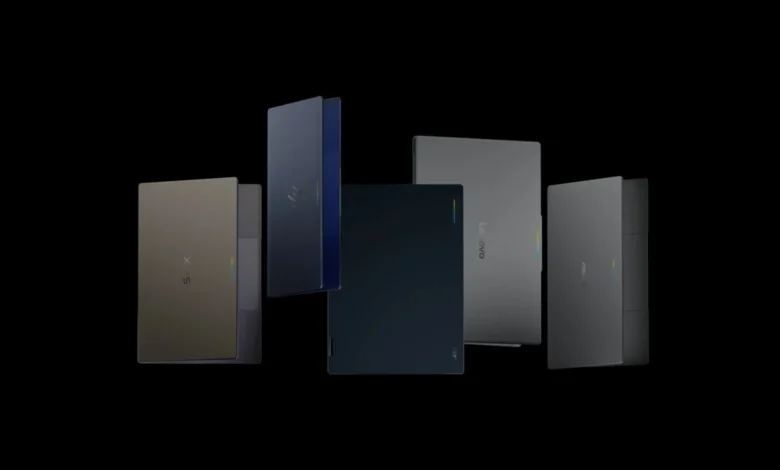
At the Android Dev Summit 2026 held earlier this week, Google officially confirmed the next phase in the evolution of its Googlebook ecosystem: the expansion into detachable tablet form factors. This strategic pivot marks a significant maturation for the platform, which has thus far been defined largely by traditional clamshell laptops and select convertible designs. The announcement, delivered during the event’s keynote, signals Google’s ambition to bridge the gap between mobile portability and desktop-class productivity, positioning Googlebook as a versatile operating system capable of fluidly adapting to varying hardware configurations.
The Evolution of the Googlebook Hardware Ecosystem
The Googlebook platform was conceived to provide a unified experience across large-screen devices, bridging the gap between lightweight mobile computing and traditional workstation functionality. Since its inception, the hardware strategy has been firmly rooted in the clamshell laptop format, supplemented by the occasional convertible—a device capable of folding into "tent" or "tablet" modes via a 360-degree hinge.
Currently, the market landscape for Googlebook is dominated by stationary or semi-stationary designs. The launch portfolio, which includes a range of premium devices, is almost exclusively comprised of clamshell-style laptops. The Acer Googlebook 14, retailing at $899, stands out as the primary exception, serving as the sole 2-in-1 convertible currently available. While this device offers the mechanical flexibility to function in multiple modes, the software environment—specifically the homescreen, the Overview interface, and the app drawer—remains optimized primarily for a landscape-oriented desktop experience.
Google’s admission that detachables are the next frontier confirms what industry analysts have speculated for months: the OS is undergoing a transition to better support touch-centric, slate-like form factors that do not rely on a permanently attached keyboard.

Chronology of the Detachable Shift
The path toward a detachable Googlebook has been paved by a series of strategic leaks and internal milestones throughout 2026. The journey began in earnest during the first quarter of the year, as developers noted refinements in the Googlebook kernel designed to handle hardware-level disconnection events—the primary hurdle in managing a detachable keyboard peripheral.
- July 2026: Leaks surfaced regarding a new device from Lenovo, which featured a magnetic detachable keyboard and a dedicated rear-facing kickstand. This leak was the first concrete evidence that Google was designing the OS to handle "docking" and "undocking" states for input peripherals.
- August 2026: Internal reports suggested that Google was finalizing a "Glowbar" interface for tablets, a hardware-integrated lighting or notification system located adjacent to the primary camera, intended to provide status updates without requiring the user to wake the entire display.
- October 2026 (Android Dev Summit): Google officially validated the rumors, stating that the operating system would soon support a native, detachable hardware ecosystem. This announcement provided the necessary developer guidance to prepare apps for a dual-mode environment where the interface must shift dynamically between a keyboard-and-mouse paradigm and a touch-first slate experience.
Technical Hurdles and Software Optimization
While the hardware potential is clear, Google has been transparent about the ongoing development required to ensure a seamless transition. Currently, while Googlebook OS allows for portrait-mode tablet usage for individual applications, the core system-level components—such as the desktop environment, the app launcher, and system settings—are anchored to a landscape orientation.
The transition to a true detachable form factor requires a more robust "dynamic orientation" engine. Unlike traditional tablets that might simply rotate an interface, a detachable Googlebook must reconcile the OS’s reliance on a windowed desktop environment with the user’s expectation of a full-screen, touch-friendly tablet experience. Industry insiders suggest that the upcoming update will introduce a "Fluid Desktop" mode, which automatically expands or collapses the taskbar and windowing system based on the presence of a keyboard dock.
Market Implications and Competitive Landscape
The introduction of detachable Googlebooks creates a complex dilemma for Google’s broader hardware strategy, particularly concerning its relationship with Android. For years, high-end Android tablets have served as the flagship devices for media consumption and light productivity. With the arrival of Googlebook OS on tablets, the distinction between a "tablet running Android" and a "detachable Googlebook" is beginning to blur.
Google’s current stance suggests that these two platforms will continue to coexist, albeit with different primary use cases. Android tablets will likely remain the preferred choice for consumer-centric, entertainment-heavy applications, while the Googlebook detachable will be positioned as a "prosumer" device. By providing a desktop-like experience in a tablet chassis, Google is directly challenging the market share currently held by the Apple iPad Pro and Microsoft Surface lineups.

The implication for developers is equally significant. With Googlebook OS targeting a broader array of form factors, developers must now design applications that are "form-factor agnostic." This means ensuring that a single binary can function equally well on a 15-inch clamshell, a 14-inch convertible, and an 11-inch detachable slate.
Future Outlook and Official Stance
During the keynote, Google leadership emphasized that the "span" of the Googlebook ecosystem is the platform’s greatest strength. By maintaining a single OS that scales from small, portable tablets to high-performance workstations, Google is aiming to reduce the fragmentation that has historically plagued the tablet market.
While no official release date for the first detachable Googlebook has been provided, the mention of Lenovo in earlier industry reports suggests that a commercial launch could occur as early as the first half of 2027. The integration of specialized hardware, such as the rumored Glowbar, suggests that these devices will be positioned as premium productivity tools rather than budget-tier tablets.
Furthermore, the shift toward detachables underscores Google’s commitment to hardware-software integration. By controlling the kernel-level interaction between the display and the detachable keyboard, Google aims to eliminate the "latency of reconnection" that often plagues third-party Bluetooth-based detachable solutions.
Conclusion
The evolution of Googlebook from a strictly clamshell-focused OS to a multi-form-factor powerhouse represents a pivotal moment in the company’s computing strategy. By embracing the detachable format, Google is moving to capture a segment of the market that demands the portability of a tablet without sacrificing the file management, multi-window support, and productivity capabilities of a traditional laptop. As the platform matures, the success of this initiative will hinge on Google’s ability to refine the software experience for touch, ensuring that the transition between "laptop mode" and "tablet mode" is as fluid as the hardware itself. For consumers and developers alike, the coming months will likely provide the first tangible look at how this vision translates into real-world utility, setting the stage for a new generation of Google-powered mobile computing.
Related posts: