BioWare Co-Founder Greg Zeschuk Breaks Silence on Legendary Studio Closure and Corporate Realities


The closure of BioWare, one of the most celebrated and influential role-playing game development studios in the history of the interactive entertainment medium, has sent shockwaves through the global gaming community. Following the shocking announcement that brought an abrupt end to decades of storytelling heritage—including the cancellation of the highly anticipated next installment in the Mass Effect franchise—co-founder Dr. Greg Zeschuk has finally broken his silence. In a candid and reflective interview, Zeschuk addressed the dismantling of the Edmonton-born studio, pointing to a combination of shifting corporate philosophies, long-term industry evolution, and a recent high-profile private buyout of parent company Electronic Arts (EA) as the ultimate catalysts for its demise.
The news of BioWare’s shuttering caught Zeschuk entirely off guard while he was away on a fishing trip, far removed from the constant connectivity of the modern tech landscape. Upon stepping away from the river and checking his mobile device, he was met with a flood of condolence messages from industry peers and former colleagues expressing sorrow over the sudden termination of the studio. Despite the jarring nature of the discovery, Zeschuk was afforded a unique perspective due to his geographic isolation, allowing him to process the emotional weight of the event away from the immediate social media discourse.
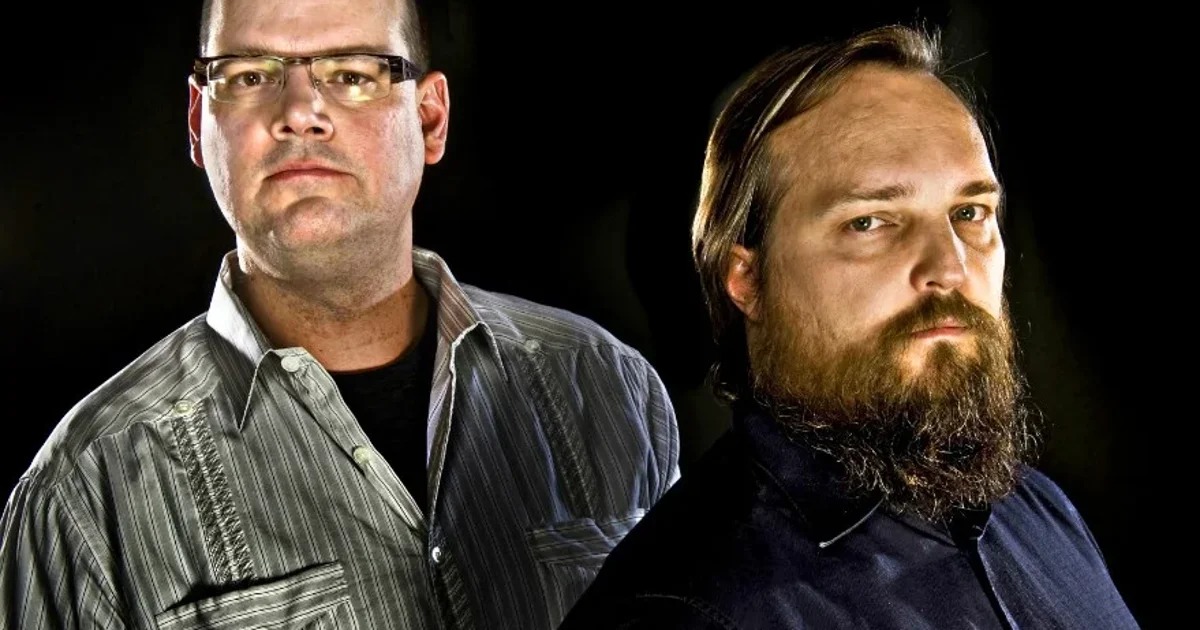
Having departed from the video game industry alongside co-founder Dr. Ray Muzyka back in 2012—the same year Mass Effect 3 launched to massive commercial success—Zeschuk noted that he had moved past the acute stages of grief regarding the company’s corporate trajectory long ago. Nevertheless, he acknowledged that the final collapse of the studio remains deeply painful, particularly for the local community in Edmonton, Alberta, where BioWare served for decades as a pioneering symbol of creative possibility, technological innovation, and economic vitality in a region previously uncharted in the global video game landscape.
A Retrospective on BioWare’s Origins and Evolution
To understand the magnitude of BioWare’s closure, one must examine the humble origins of the studio and its meteoric rise within the gaming industry. Founded in 1995 by three medical school graduates—Greg Zeschuk, Ray Muzyka, and Augustine Yip (who departed the company early in its lifecycle in 1998)—BioWare began as an ambitious independent developer operating out of Western Canada. The trio combined their analytical backgrounds with a profound passion for interactive storytelling, eventually steering the company toward critical and commercial acclaim.
During its independent era, BioWare cemented its reputation as a master of the role-playing game (RPG) genre. The studio delivered landmark titles that redefined narrative depth, player choice, and character development in video games. Among these critical triumphs were Baldur’s Gate (1998) and Baldur’s Gate II: Shadows of Amn (2000), which successfully revitalized the computer RPG market; Neverwinter Nights (2002); and the universally acclaimed Star Wars: Knights of the Old Republic (2003). These achievements paved the way for original intellectual properties developed under EA’s corporate umbrella following the studio’s acquisition in 2008, most notably the sprawling sci-fi epic Mass Effect trilogy and the dark fantasy universe of Dragon Age.
Zeschuk reflected on the studio’s historical decision to sell to Electronic Arts in 2008, noting that the founders had carefully weighed multiple strategic options at the time. While the acquisition provided BioWare with the financial backing and logistical resources required to scale operations and develop massive, graphically intensive blockbusters, it also integrated the developer into a vast corporate machine governed by rigorous quarterly financial expectations.
The Corporate Shift and the Final Blow of the EA Buyout
While Zeschuk stepped away from the industry in 2012 to pursue entirely different ventures—culminating in the establishment of Blind Enthusiasm, a successful craft brewing company in Edmonton that currently employs a dozen staff members and distributes tens of thousands of bottles annually—he maintained an analytical eye on the macro-trends affecting game development. He firmly rejected the notion that his departure and that of Muzyka marked the immediate beginning of the end, attributing the studio’s gradual transformation instead to the natural ebb and flow of personnel changes over more than a decade.
However, Zeschuk identified a distinct turning point that signaled insurmountable trouble for a studio known for meticulous, narrative-driven development: the recent private acquisition of Electronic Arts. The multi-billion-dollar leveraged buyout of EA by an international consortium, which involved capital from Saudi Arabia’s Public Investment Fund alongside other high-profile investors, introduced a radically different corporate governance model.
According to Zeschuk, this corporate restructuring acted as "the final nail in the coffin" for BioWare. The economic realities of modern AAA game development demand immense capital investment and extended production cycles—often spanning five to seven years per title. In contrast to the steady, predictable, and highly lucrative revenue models associated with annual sports franchise updates or live-service games, narrative-driven single-player RPGs like Mass Effect and Dragon Age require protracted incubation periods, complex writing, and immense technical polish. Under the stringent fiscal scrutiny of new private ownership structures, maintaining studios dedicated to high-risk, high-cost, long-term creative endeavors became untenable.
Broader Industry Implications and the Changing Landscape of AAA Gaming
The shuttering of BioWare is emblematic of a broader, systemic crisis currently impacting the global interactive entertainment industry. Over the past several years, macroeconomic pressures—including rising development costs, post-pandemic market normalization, corporate consolidation, and shifting consumer habits—have led to widespread restructuring, studio closures, and massive layoffs across major publishers and independent developers alike.
The closure highlights a growing ideological disconnect between corporate executives and the creative workforce. Critics and industry veterans have increasingly voiced concern that financial decision-makers, many of whom lack practical experience in game design or long-term creative production, prioritize short-term profit margins and risk-averse strategies over cultural impact and artistic innovation. BioWare’s legacy as an incubator for emotionally resonant storytelling and player-driven narratives now stands as a cautionary tale of how traditional development models struggle to survive within modern corporate ecosystems dominated by immediate financial returns.
As the dust settles on BioWare’s abrupt termination, the industry is left to reckon with the loss of one of its most legendary creative pillars. While former developers navigate an uncertain job market and fans mourn the cancellation of projects like the next Mass Effect, the insights provided by co-founder Greg Zeschuk offer a sobering reminder of the fragile intersection between art and commerce in the modern video game landscape. Muzyka has thus far declined to comment on the closure, leaving Zeschuk’s reflections as the sole public post-mortem from the studio’s foundational leadership—a poignant closing chapter for a titan of digital storytelling.