FlyKnight Enhanced Edition brings significant upgrades to the cult-classic indie RPG experience

The independent gaming landscape has witnessed a surge in interest regarding the "King’s Field-alike" subgenre—a niche category of first-person role-playing games characterized by deliberate pacing, atmospheric world-building, and high-stakes combat reminiscent of early FromSoftware titles. Among the most notable recent entries in this space is FlyKnight, a $6 title developed by Wabbaboy. Following a period of sustained positive reception from the community, the developer has released a substantial, free "Enhanced Edition" update, further cementing the game’s reputation as a high-value proposition for enthusiasts of retro-styled, immersive RPGs.
The Evolution of FlyKnight
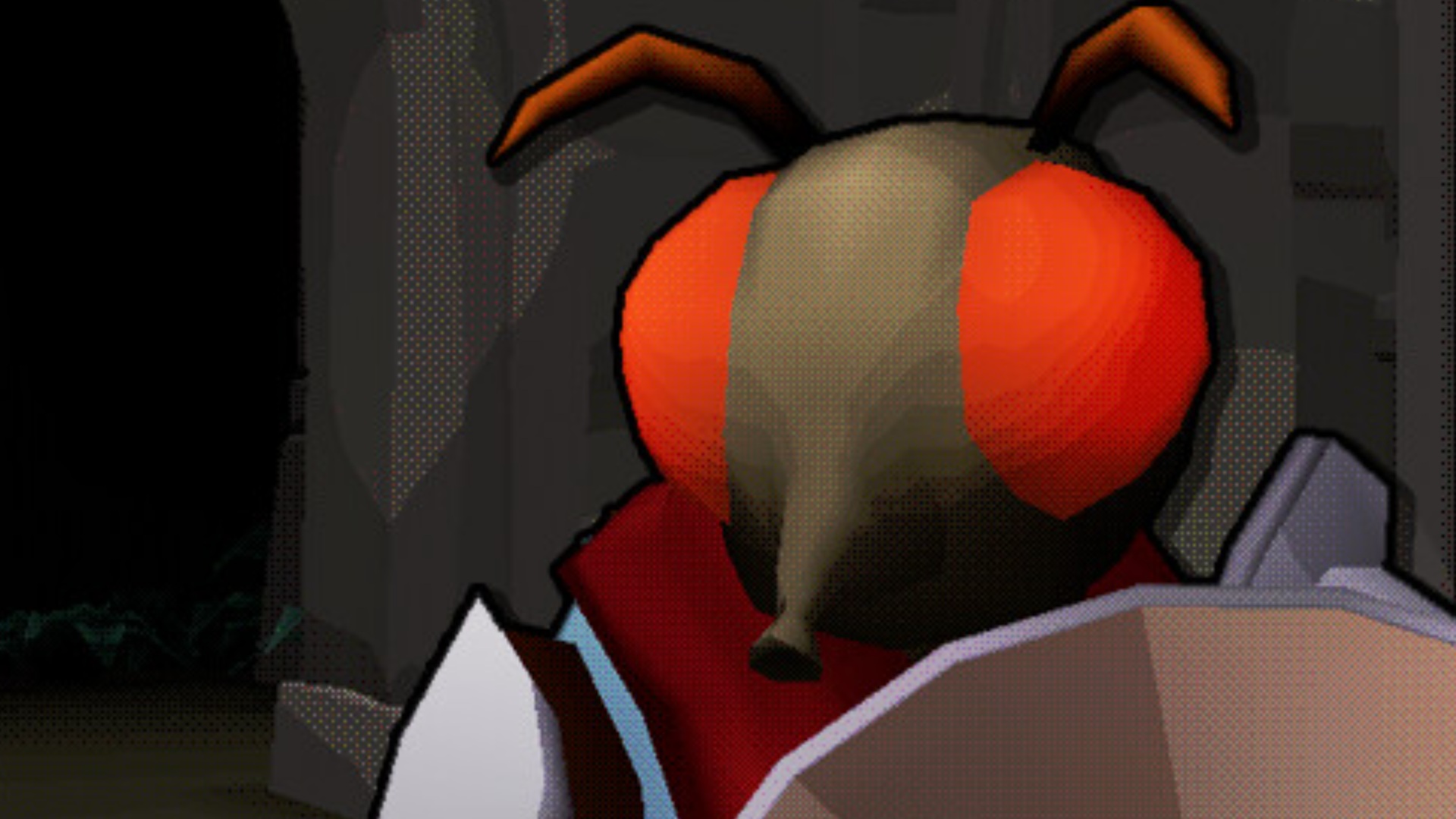
FlyKnight initially debuted as an unassuming, budget-friendly title that captured the attention of players through its distinct aesthetic and mechanical depth. Drawing visual inspiration from the low-poly charm of late 1990s and early 2000s MMORPGs—specifically the iconic style of Old School RuneScape—the game presents a cohesive, albeit minimalist, world. Despite its low price point, the title distinguishes itself from similar low-budget projects through its robust combat engine.
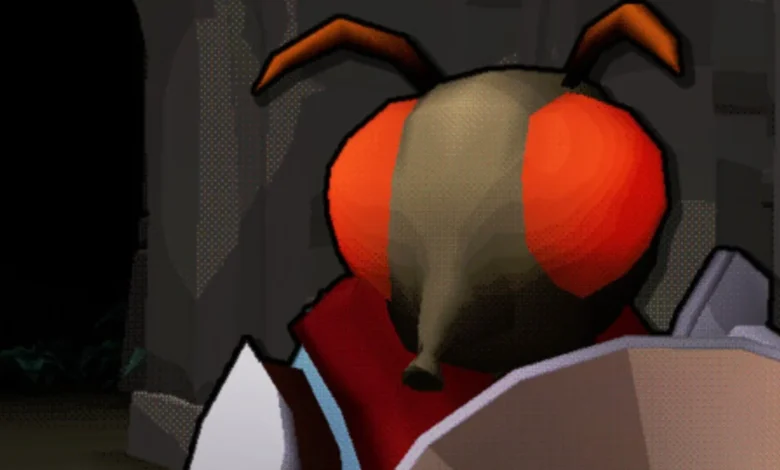
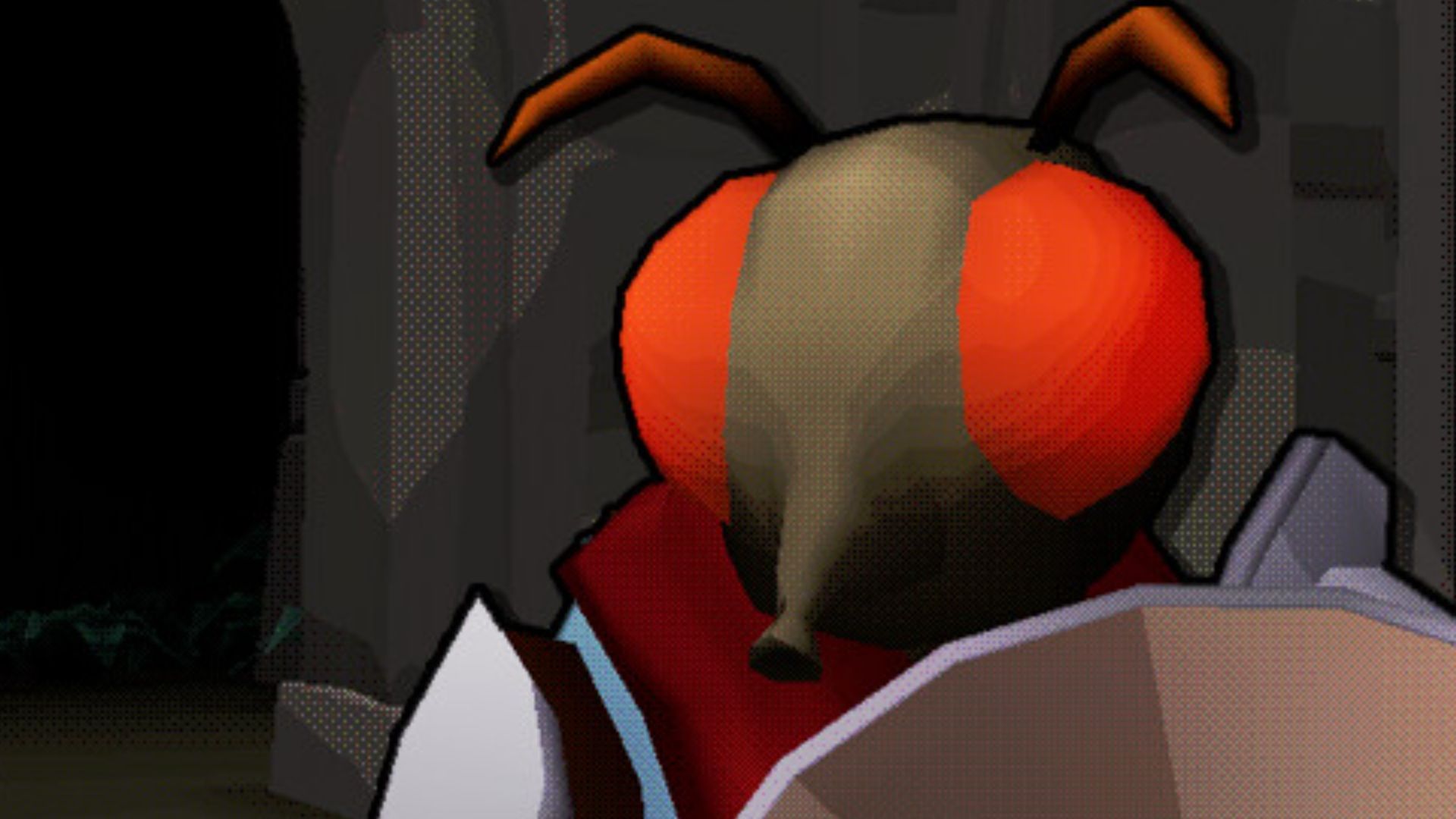
The core premise places the player in the role of an anthropomorphic insect-knight, navigating a dangerous, claustrophobic environment. The game was initially praised for its commitment to "first-person dungeon crawling," a design philosophy that prioritizes player agency and spatial awareness over flashy, automated mechanics. By releasing an Enhanced Edition, Wabbaboy has signaled a commitment to long-term support, providing content that significantly expands the title’s original scope without increasing the cost of entry for new players.
Technical Foundations and Combat Mechanics
The primary draw for many players, beyond the nostalgic visual fidelity, is the game’s combat system. Unlike many modern action RPGs that rely heavily on "iframes" (invincibility frames) and rapid dodging, FlyKnight adopts a more methodical, survival-horror-influenced approach.
The standout feature of this system is the implementation of locational limb damage. Players are tasked with managing their strikes with precision, targeting specific enemy appendages or structural weak points rather than relying on indiscriminate swinging. This mechanic forces players to analyze enemy behavior patterns—a critical skill in a game that punishes recklessness. The deliberate pace of combat emphasizes the importance of distance management, perfect blocking, and timing.
For the average player, this creates an environment where mastery is rewarded. The "weight" of the combat, combined with the low-poly aesthetic, creates a sensory experience that feels both vintage and mechanically modern. The recent Enhanced Edition update has refined these systems, adjusting hitboxes and enemy AI to ensure that the difficulty curve remains consistent while offering more tactical variety during encounters.
The Enhanced Edition: A Comprehensive Overview
The release of the Enhanced Edition marks a turning point for the project. For a solo developer, such an update represents a significant investment of time and resources. The update, which is available at no additional cost to existing owners, introduces several key features:
- Expanded World Geometry: New areas have been added to the game’s map, providing more depth to the exploration aspect of the RPG.
- Refined Combat Balance: Enemy attack patterns have been adjusted to account for different playstyles, and the limb-damage system has been polished to be more responsive.
- Performance Optimization: Given its popularity on handheld platforms like the Steam Deck, the developer has optimized the game’s engine for better battery efficiency and frame-rate stability.
- Quality of Life Adjustments: New interface elements, improved inventory management, and clearer quest indicators have been implemented to reduce friction for new players.
The decision to provide this update for free is notable in the current gaming market, where "Definitive" or "Enhanced" versions are often sold as separate, full-priced products. This strategy has likely contributed to the game’s positive sentiment on the Steam platform, where it maintains a high review score.
Market Context and the Rise of Indie RPGs
The success of FlyKnight occurs within a broader trend of "indie retro-renaissance." As mainstream AAA RPGs have become increasingly focused on cinematic spectacle and massive, sprawling open worlds, a segment of the player base has gravitated toward smaller, more focused experiences. This phenomenon is supported by the availability of accessible development tools and platforms like Steam, which allow solo developers to reach global audiences without the need for traditional publishing deals.
Analysis of the current Steam marketplace indicates that budget-friendly titles (often priced under $10) that offer high replayability and "classic" sensibilities perform exceptionally well. FlyKnight’s price point—roughly the cost of a cup of coffee—positions it as a "low-risk, high-reward" purchase. When coupled with the added value of the Enhanced Edition, the game provides a price-to-content ratio that is difficult to find elsewhere in the market.
Player Reception and Community Impact
The community surrounding FlyKnight has been instrumental in its development. Feedback regarding the original release heavily influenced the trajectory of the Enhanced Edition. Players often reported that the combat system was the most compelling aspect of the game, and the developer responded by doubling down on those specific mechanics.
The game’s presence on platforms like the Steam Deck has also been a significant factor in its reach. The handheld nature of the device complements the game’s pacing, allowing for "pick-up-and-play" sessions that are well-suited for a game built on clear, tactical combat encounters. Reports from players suggest that the game is one of the more stable indie titles on the platform, further driving its popularity among the handheld gaming community.
Economic and Future Implications
While FlyKnight remains a modest project, its trajectory offers insights into the sustainability of solo-developed indie games. By maintaining a low barrier to entry and providing consistent value, developers can cultivate a loyal, long-term audience.
The current sale, running through September 30, is expected to introduce a new wave of players to the title. For the developer, the goal is likely to increase the game’s visibility within the competitive RPG category. If the Enhanced Edition succeeds in attracting a broader player base, it could serve as a blueprint for other independent creators looking to leverage the "King’s Field-like" market.
Ultimately, FlyKnight represents a successful marriage of retro aesthetics and modern, skill-based gameplay. It serves as a reminder that a well-executed core mechanic can often outperform high-budget visuals. As the project continues to evolve, it remains a case study in how targeted updates and community engagement can extend the lifecycle of an indie title, turning a small, $6 experiment into a robust and respected RPG experience. Whether the developer plans to expand the game further or pivot to a new project remains to be seen, but for now, the Enhanced Edition provides a definitive entry point for those interested in the unique, insect-themed world of FlyKnight.