San Marino Joins Artemis Accords as the 76th Signatory Nation to Advance Global Space Cooperation

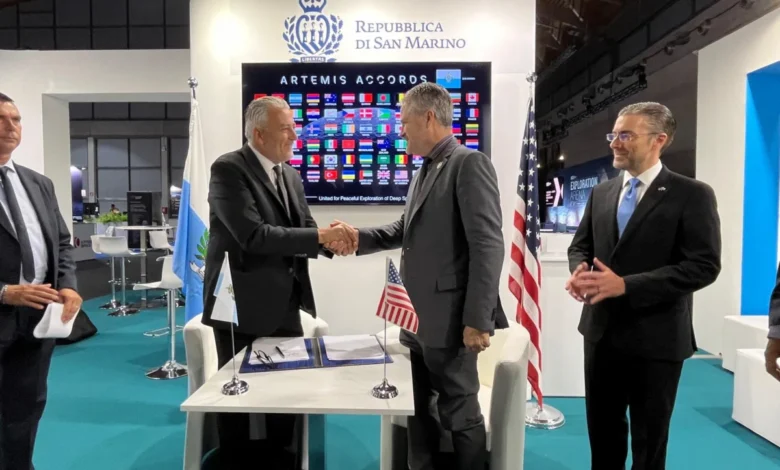
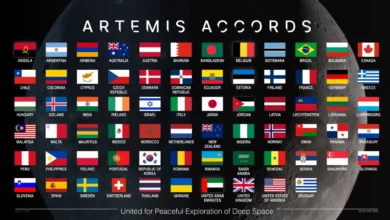
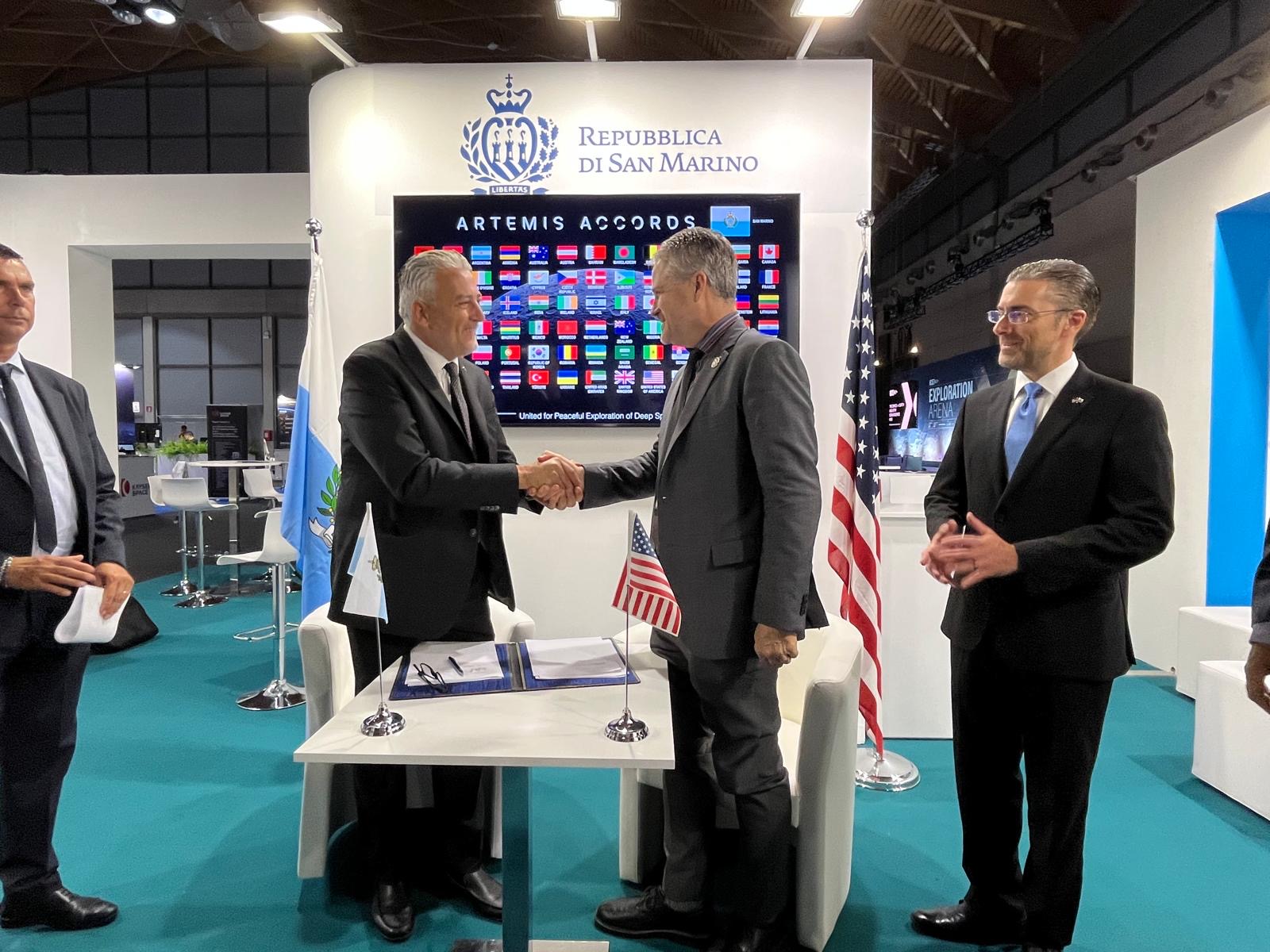
The Republic of San Marino officially became the 76th signatory to the Artemis Accords during a formal ceremony held in Rimini on Friday, September 25, 2026. The event, attended by representatives from NASA and the U.S. Department of State, marks a significant milestone in the expansion of an international coalition dedicated to the peaceful and transparent exploration of space. By formalizing its commitment, San Marino joins a diverse group of nations that are aligning their national space policies with the principles established by the United States to govern activities on the Moon, Mars, and beyond.
The Significance of the Artemis Accords
The Artemis Accords are a set of non-binding principles designed to guide civil space exploration and use in the 21st century. Introduced in 2020 by NASA and the U.S. Department of State, the framework was created to address the rapid evolution of the space sector, which now includes a complex mix of government agencies and private commercial enterprises.
The primary objective of the Accords is to ensure that the rapid advancement of lunar exploration—centered on the NASA-led Artemis program—is conducted in a safe, sustainable, and cooperative manner. The framework emphasizes transparency, the interoperability of systems, the mitigation of space debris, and the responsible sharing of scientific data. As humanity prepares for a long-term presence on the lunar surface and eventual crewed missions to Mars, the Accords serve as a diplomatic bedrock to prevent conflict and ensure that exploration benefits all of mankind.
Chronology: From Concept to Global Coalition
The progression of the Artemis Accords has been swift, reflecting the global appetite for renewed lunar exploration.
- October 2020: The original eight founding nations—Australia, Canada, Italy, Japan, Luxembourg, the United Arab Emirates, the United Kingdom, and the United States—signed the initial Accords.
- 2021–2023: The coalition saw steady growth as nations across Europe, South America, and Asia recognized the value of establishing a common set of behavioral norms for space operations.
- 2024–2025: The Accords began to shift from diplomatic policy to practical implementation, with signatory nations contributing hardware, scientific payloads, and research data to support NASA’s lunar architecture.
- September 2026: San Marino adds its signature to the document, representing the 76th nation to join the coalition. This expansion highlights the inclusivity of the Accords, proving that both large space-faring powers and smaller nations with emerging technological sectors have a seat at the table.
Official Perspectives and Diplomatic Engagement
The ceremony in Rimini featured key figures in the international space community, including NASA Deputy Administrator Matt Anderson and San Marino’s Minister of Industry and Technological Research, Rossano Fabbri.
"San Marino joins a growing coalition of like-minded nations committed to the peaceful, transparent, and responsible exploration of space," stated NASA Deputy Administrator Matt Anderson during the proceedings. Anderson highlighted the administration’s focus on establishing a sustainable lunar presence, noting that the Accords are the essential mechanism for translating international cooperation into operational reality. "President Trump has directed NASA to build a Moon Base and establish an enduring presence on the lunar surface. As we do, we are putting the principles of the Accords into practice. NASA has invited every Artemis Accords signatory to participate in our return to the Moon through scientific payloads, technology demonstrations, CubeSats, and other capabilities."
Minister Rossano Fabbri, representing the Republic of San Marino, emphasized the alignment between his nation’s values and the goals of the Accords. "We are pleased and honored that the Republic of San Marino has been welcomed as the 76th signatory state of the Artemis Accords," Fabbri noted. "We fully share the principles and values expressed in the Artemis Accords, and we are convinced that the signatory states united under the Accords will make a tangible contribution to promoting international cooperation in space and ensuring the use of space for peaceful purposes."
The participation of U.S. Consul General in Florence, Joseph Tordella, and NASA Europe representative Gregory Mann underscored the importance of regional diplomatic ties in securing these international agreements.
Technical and Economic Implications
The inclusion of San Marino in the Artemis Accords is not merely a symbolic diplomatic act; it reflects a broader trend of "democratizing" access to space-related research and development. For smaller nations, the Accords provide a structured pathway to integrate their technological capabilities into global missions.
By participating in the Artemis framework, signatory nations gain access to a collaborative ecosystem. This includes:
- Shared Infrastructure: Opportunities to contribute components to lunar landing modules, communication arrays, or power systems.
- Scientific Data Exchange: Access to findings from lunar surface operations, which can accelerate the development of domestic research institutions.
- Regulatory Harmonization: By adopting the Accords, nations align their domestic space regulations with international best practices, making it easier for their private industries to partner with international aerospace contractors.
The current strategy involves a decentralized approach where NASA provides the heavy-lift capability—primarily through the Space Launch System (SLS) and the Orion spacecraft—while partner nations provide the specialized instrumentation and modular technology. This reduces the financial burden on any single nation while fostering a globalized aerospace economy.
Strategic Analysis: The Future of Lunar Governance
The Artemis Accords operate in an environment of increasing competition. As major powers look toward the Moon for both scientific discovery and potential resource extraction, the need for clear rules of engagement has become paramount. Critics have occasionally questioned the non-binding nature of the Accords, but proponents argue that they are the most effective way to establish "soft law" norms that eventually become international custom.
The Accords specifically address the challenges of the "lunar gold rush," including:
- Deconfliction: Establishing "safety zones" around lunar operations to prevent accidents and interference.
- Transparency: Requiring signatories to make their scientific findings publicly available.
- Interoperability: Ensuring that hardware from one nation can communicate with or physically dock with systems from another, which is critical for emergency rescue and resupply missions.
For San Marino, the move is a strategic alignment with the Western-led vision of space governance. As a nation with a deep interest in technological innovation, San Marino’s signature indicates an intention to foster a domestic environment conducive to aerospace research, potentially attracting foreign direct investment and high-tech talent to the region.
Moving Toward a Sustainable Lunar Economy
The transition from the initial Apollo-era model of short-term exploration to the current "Artemis" model of sustainable habitation is a profound shift. The goal is no longer just to "plant a flag," but to build a permanent base—a Moon Base—that can serve as a proving ground for technologies intended for Mars.
NASA’s invitation for signatories to provide scientific payloads and CubeSats allows smaller nations to participate in a meaningful way. Even a small-scale contribution, such as a specialized sensor or a localized research experiment, allows a nation to claim a stake in the mission’s success. This approach fosters a sense of global ownership over the Moon, which is vital for maintaining peace in the lunar environment.
As the number of signatories climbs toward 80 and beyond, the Artemis Accords are effectively becoming the global standard for space operations. The addition of San Marino further solidifies this consensus, demonstrating that the vision of a cooperative, rules-based lunar future is gaining traction across the international community.
For further information on the technical guidelines and the full list of principles governed by the Accords, interested parties and researchers are encouraged to visit the official NASA documentation portal at https://www.nasa.gov/artemis-accords. The portal offers detailed insights into the standards for lunar extraction, orbital debris management, and the ethical management of heritage sites on the lunar surface, providing a comprehensive roadmap for the next generation of space explorers.
Related posts: