Apple is taking a little bit of a gamble with iPhone Duo software: Will it pay off?

The Technical Mandate: A New Development Standard
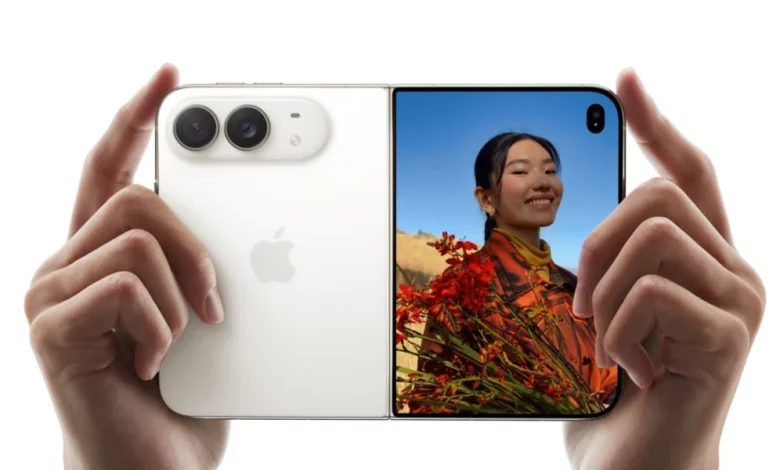
Apple’s strategy for the iPhone Duo relies on a strict software development lifecycle. To leverage the device’s expansive inner display, developers are required to recompile their applications specifically for iOS 27.0. The barrier to entry for the most advanced UI features—such as the custom tab bars and specialized multitasking gestures—is even higher, requiring a move to the iOS 27.1 SDK. This transition is not merely a suggestion but a requirement for full-screen utilization. Applications that remain on older SDKs or fail to adapt to the new framework will be constrained to the device’s standard aspect ratio, resulting in the appearance of "letterboxing" or black bars on the sides of the interface.
This design decision serves as a departure from the compatibility-first approach often seen in the Android ecosystem. By refusing to allow iPad binaries—which are already designed for larger, resizable displays—to run natively on the iPhone Duo, Apple is prioritizing a cohesive, high-quality user experience over immediate app availability. While this may lead to a slower initial adoption rate for third-party optimization, it ensures that the iPhone Duo’s interface feels intentional and optimized rather than an upscaled tablet experience.
Chronology of the Transition
The path to the iPhone Duo began long before the hardware launch in September 2026. The roadmap for this transition can be traced back to early 2026, when Apple began signaling shifts in its App Store submission guidelines:
- February 2026: Apple updates the minimum SDK requirements for all new App Store submissions, signaling an industry-wide pivot toward higher performance standards and future-proofing for foldable hardware.
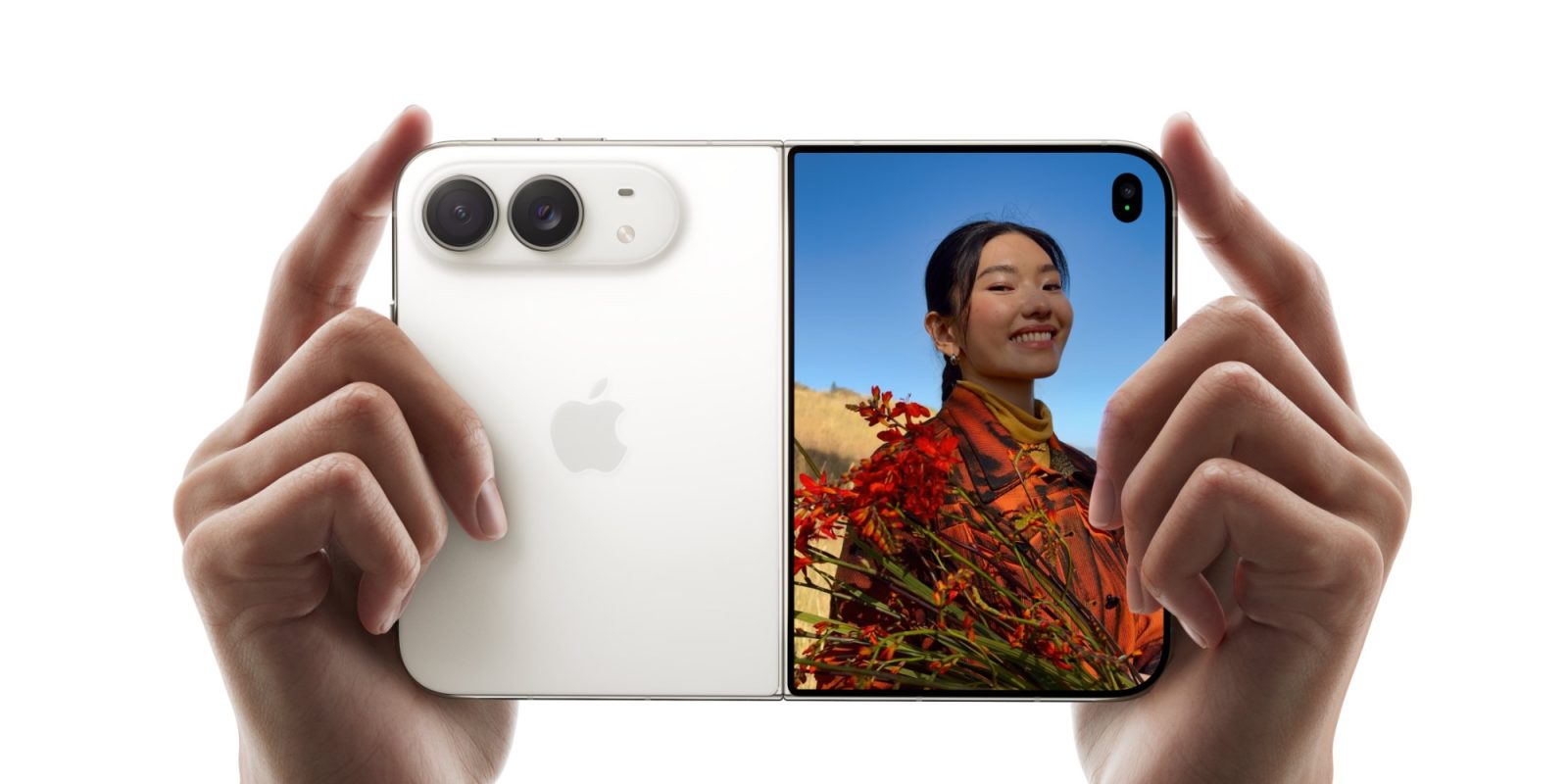
- September 9, 2026: Official unveiling of the iPhone Duo. Technical documentation confirms that apps must be recompiled for iOS 27.0 to utilize the inner display.
- September 18, 2026: Apple releases the Xcode 27.1 beta, providing developers with the necessary toolset to integrate specific iPhone Duo UI components, such as adaptive tab bars and side-by-side multitasking views.
- Late 2026/Early 2027 (Projected): The "initial wave" of developer updates is expected to hit the App Store, at which point the true utility of the inner display will be measured by consumer sentiment.
Implications of the Liquid Glass Requirement
A secondary, yet equally critical, challenge for developers is the mandatory support for "Liquid Glass." This display technology, which serves as the foundation for the Duo’s flexible screen, requires specific handling of pixel density and touch input sensitivity. Developers can no longer opt-out of Liquid Glass support in their build settings.
For many small-to-medium development teams, this creates a resource bottleneck. A developer who has not yet prepared for the transition faces a dual burden: they must update their code to be compatible with both the Liquid Glass display architecture and the specific UI requirements of the iPhone Duo simultaneously. Industry analysts suggest that this may cause a period of "developer fatigue," where updates for the Duo are prioritized lower than general feature maintenance or cross-platform compatibility for other Apple devices.
Market Analysis: The Gaming and Multitasking Dilemma
The primary use case for the iPhone Duo—mobile gaming—is also where the software requirements could prove most disruptive. High-fidelity mobile games rely on immersive, edge-to-edge experiences. If a popular title remains unoptimized, the resulting black bars will inevitably degrade the "pro" experience Apple is marketing.
Furthermore, the iPhone Duo’s unique split-screen functionality offers a massive productivity boost, provided the applications support it. If an application is not "Duo-aware," it may not be able to occupy one half of the split-screen view effectively, essentially rendering it a static window in a multitasking environment. This is a significant departure from the iPad, where "Split View" has been a staple for years. The divergence between the iPad’s windowing system and the Duo’s UI suggests that Apple is attempting to create a new category of "foldable-first" apps rather than merely porting tablet software.

Industry Reactions and Strategic Positioning
While Apple has not provided public comment on the potential for a "compatibility mode" in future updates, industry experts suggest that iOS 28 could eventually introduce an emulation layer for iPad apps if developer adoption remains sluggish.
"Apple is playing a long game," says one industry analyst. "By enforcing these strict standards now, they are ensuring that three years from now, every app on the store will look and feel native on a foldable device. If they allowed a ‘quick fix’ today, they would be dealing with technical debt for a decade."
However, the risk remains that the first six months of the device’s lifecycle will be characterized by a "rough experience" for early adopters. Users expecting their entire library of apps to function perfectly on the expansive inner display may be disappointed to find that many of their daily drivers are not yet updated.
The Role of Developer Incentives
To mitigate the risk of a sparse app ecosystem, Apple has been heavily promoting the new Xcode 27.1 features through its Developer Program. By providing comprehensive design guidelines and UI templates, Apple aims to reduce the man-hours required to port existing apps. The company’s focus on intuitive design suggests that the "Duo-optimized" experience will be significantly more comfortable for users than existing foldable interfaces on competing platforms, which often rely on "stretch" modes that distort content.

Future Outlook and Conclusion
The iPhone Duo represents a bold gamble on software-hardware integration. By refusing to settle for the "janky" compatibility layers that have plagued other foldables, Apple is betting that its ecosystem of developers will follow its lead, even if it requires a substantial investment of time and engineering resources.
For the average consumer, the next few months will be a period of observation. The success of the iPhone Duo will ultimately be judged by the speed at which major developers—particularly in the gaming, productivity, and media sectors—release updates that utilize the full breadth of the device’s internal display. If the current trajectory holds, the iPhone Duo will not just be a hardware innovation; it will be a benchmark for how mobile software is architected for the next decade of folding devices.
As the developer community navigates the transition to iOS 27.1, the broader impact on the mobile industry remains clear: the focus is shifting away from simple screen size increases and toward adaptive, context-aware software that responds fluidly to the physical state of the device. Whether this transition will be seamless or fraught with early-adopter friction remains the most significant question for the Apple ecosystem in 2026.