Alex Cooper sparked a baby registry gifting chain across social media — and the videos are heartwarming

The digital landscape is frequently criticized for fostering polarization and superficial engagement, yet recent events have demonstrated the platform’s latent capacity for organized, tangible altruism. A burgeoning social media trend, initiated by Call Her Daddy host Alex Cooper, has evolved from a celebrity-led gesture into a widespread, grassroots movement providing essential support to expectant parents. This phenomenon, which centers on the crowdsourced fulfillment of baby registries, has mobilized brands, influencers, and anonymous donors to provide thousands of dollars in childcare necessities to families across the United States.
The catalyst for this movement occurred in the late summer of 2026. Alex Cooper, who announced her pregnancy in May with her husband, film producer and Unwell co-founder Matt Kaplan, began utilizing her significant social media presence to solicit parenting advice from her audience. Recognizing the community support she received, Cooper transitioned from seeking guidance to providing it—and more. She began proactively clearing out the Babylist registries of her followers, funding everything from high-end strollers and car seats to essential swaddles and diapers.
A Chronology of the Viral Movement
The progression of the #BabylistItForward initiative followed a rapid trajectory typical of viral digital phenomena. By early August 2026, Cooper’s initial posts had elicited thousands of responses from expectant parents. The emotional gravity of these interactions, captured in videos where parents unboxed the surprise gifts, catalyzed a "pay-it-forward" effect.

By mid-August, the movement moved beyond Cooper’s personal reach. Independent social media users began scanning the public registries of strangers, contributing what they could—be it a single box of wipes or a complete set of nursery furniture. This organic expansion caught the attention of the industry platform Babylist, which formalized the effort in late August. By the start of September, the campaign had been officially branded as #BabylistItForward, with the platform committing to assist over 1,000 families in collaboration with corporate partners like Pampers.
The Scale of Digital Generosity
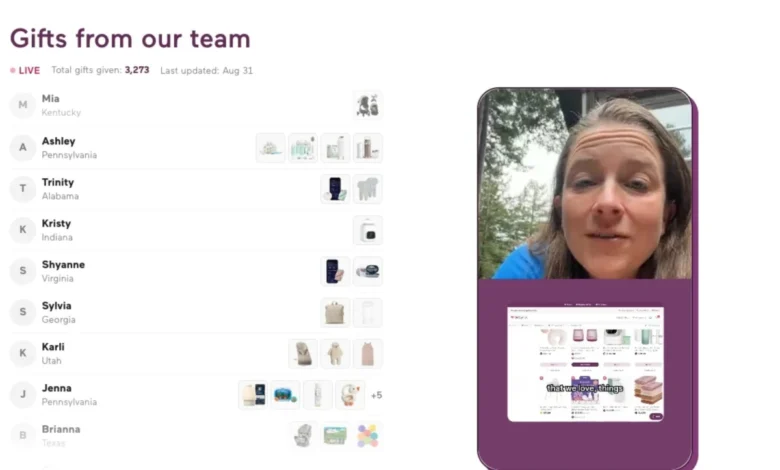
Data provided by the involved parties underscores the massive scale of the trend. In the first hour following the formalization of the campaign, over 15,000 expectant parents reached out to engage with the initiative. As of August 31, 2026, the official #BabylistItForward dashboard recorded 3,279 individual gifts fulfilled by the company’s team alone, independent of the thousands of items purchased by private citizens.
The economic impact of this movement is multi-layered. While the total monetary value of the goods gifted has not been fully tabulated, individual contributions from brands have been substantial. Notable corporate participation includes:
- UPPAbaby: Committed to clearing five full registries and providing high-end strollers to 50 additional families.
- Mina Baie: Pledged to fulfill five registries and donate diaper bags to 20 recipients.
- Itzy Ritzy: Offered up to $300 in product credit per selected registry.
- Cozy Crew Club and Kiplie: Engaged by providing store credit and essential portable baby equipment to nominees.
The diversity of these participants—ranging from large-scale manufacturers to small, founder-led boutique brands—indicates a significant shift in how companies utilize social media for corporate social responsibility (CSR). Rather than traditional advertising, these brands are engaging in direct-to-consumer philanthropy, which strengthens brand affinity while providing real-world utility to their target demographic.

Expert Perspectives on Digital Altruism
Jennifer Hyman, the incoming CEO of Babylist, highlighted that the success of the campaign revealed a deeper need among modern parents. "Parents are looking for more than just products; they are searching for answers, reassurance, and connection," Hyman noted. The #BabylistItForward initiative, therefore, has transcended its original purpose of gift-giving to become a repository of collective wisdom.
The comment sections of these viral videos have effectively turned into decentralized parenting forums. Experienced parents are using the platform to advise first-time mothers and fathers on which products are truly essential versus those that are discretionary. This exchange of "institutional knowledge" regarding childcare is perhaps as valuable as the physical goods being sent. It represents a shift from passive content consumption to active, communal knowledge-sharing, a rare byproduct in the algorithm-driven landscape of current social media platforms.
Broader Societal Implications
The #BabylistItForward trend offers several key insights into the mechanics of 21st-century charity. First, it demonstrates the efficacy of "micro-philanthropy." By lowering the barrier to entry—allowing a user to buy a $10 box of diapers rather than requiring a massive donation—the movement democratized the act of giving. This ensures that a wide demographic of people can participate, regardless of their financial status.
Second, the trend highlights the role of "social proof" in humanitarian efforts. When a high-profile influencer like Cooper validates a charity model, it provides the necessary social cover for others to feel comfortable engaging in similar behavior. The subsequent involvement of other public figures—such as Colton Underwood, Harry Jowsey, and Jenna Ushkowitz—further solidified the movement’s legitimacy, ensuring its longevity beyond a single news cycle.

Finally, the movement serves as a poignant reminder of the economic pressures facing modern families. The overwhelming response—15,000 requests in under an hour—is indicative of the financial strain associated with preparing for a new child in an inflationary economy. The fact that the most popular registries were those containing basic, functional items (diapers, bottles, mattresses) rather than luxury goods suggests that the primary motivation for users was meeting basic needs rather than fulfilling aspirational wishlists.
The Future of the Trend
While viral trends are notoriously ephemeral, the structural changes brought about by #BabylistItForward may have lasting effects. Many of the participating brands have integrated these gifting efforts into their long-term social media strategies, signaling that consumers now expect a higher level of community engagement from the companies they patronize.
The story of Wyatt and Breanna Morris, an active-duty military couple who saw their entire registry fulfilled by strangers on TikTok, has become the archetype for the success of this movement. Their story serves as a template for future philanthropic endeavors: a clear, urgent need, a public platform for expression, and a mechanism for immediate, direct fulfillment.
As the #BabylistItForward campaign continues to evolve, the focus is shifting toward sustainability. Future initiatives planned by Cooper, Unwell, and Babylist include crowdsourcing long-term parenting resources, spotlighting the ongoing stories of these families, and partnering with charitable organizations that provide support throughout early parenthood.

The digital age is often defined by its transience, yet this movement has managed to anchor itself in the physical world through the arrival of essential goods at doorsteps across the country. Whether the trend sustains its current momentum remains to be seen, but for thousands of families, the impact of these collective acts of kindness is permanent. The movement has effectively repurposed the often-hostile infrastructure of social media into a bridge for human empathy, proving that when provided with the right tools, the internet can act as a profound force for social cohesion.