The Global Cyber Threat of Cheap Android TV Boxes: Inside a Massive Multi-Million Dollar Ad Fraud and Proxy Network

For years, cybersecurity professionals and federal agencies have sounded the alarm over generic, unbranded Android TV boxes sold cheaply across major e-commerce platforms. These devices, often marketed heavily by online influencers, promise consumers unlimited access to live broadcasts, pay-per-view events, and subscription-based streaming services for a single, low, upfront fee. However, behind the veneer of free entertainment lies a sinister cyber threat infrastructure. While previous warnings primarily focused on how these devices secretly convert home internet connections into commercial residential proxies—renting out user bandwidth to anonymous third parties—a groundbreaking new analysis reveals an even deeper malicious capability. Security researchers have uncovered that these streaming sticks are actively weaponized in a sprawling, sophisticated ad fraud empire, spoofing mobile devices and generating millions of fraudulent interactions on AI-generated websites.
Unmasking the H96 Threat Vector
The scope of this operation came to light following an exhaustive investigation by Pedro Falé, a threat researcher at the cybersecurity firm Bitsight. Falé’s breakthrough occurred when he registered an expired domain name previously used for telemetry by a popular brand of generic streaming devices known as H96. These devices, readily available on mainstream marketplaces such as Amazon, Best Buy, and Newegg, frequently ship pre-infected with malicious packages hidden within unofficial versions of the Android operating system.

Upon capturing the telemetry domain, Falé gained unprecedented visibility into a complex, global ad fraud network. The domain had historically functioned as a reporting hub, periodically collecting comprehensive hardware specifications and complete lists of installed applications from tens of thousands of H96 streaming sticks deployed in living rooms worldwide. Yet, as Falé inspected the incoming data traffic, a glaring anomaly emerged: nearly all of the TV boxes were transmitting data identifying themselves not as fixed television hardware, but as mobile phone models manufactured by prominent global brands, including Samsung, Huawei, Xiaomi, and Vivo.
"We noticed something was wildly wrong," Falé stated, highlighting how fixed factory Android TV backdoors were reporting mobile device classifications. Further analysis revealed that every single compromised device shared two identical pre-installed applications. Tracing the origin of these applications led researchers directly to Zhejiang Fengwo IoT Technology Co., Ltd., a mainland China-based entity founded in 2019 that oversees an expansive ad-publishing portfolio known as Fengwo Group. Bitsight’s tracing systems mapped out a web of legal shell identities across Hong Kong and Singapore used to collect monetization proceeds, ultimately anchoring the illicit enterprise to the Fengwo Group.
The Mechanics of Automated Ad Fraud
The Fengwo Group operation relies on a symbiotic relationship between compromised residential hardware and automated traffic generation. According to Bitsight’s findings, the apps embedded within the H96 devices orchestrate a captive traffic source designed to interact exclusively with AI-generated web properties operated by the Fengwo Group.

These sham websites span a diverse array of categories—including finance, health, gaming, education, music, and lifestyle blogs—and feature machine-generated news articles and graphics. Crucially, researchers discovered that these web pages deliberately suppressed advertisements unless the incoming visitor matched the spoofed mobile profile transmitted by an H96 device.
To execute the fraud efficiently, the Fengwo Group implemented a streamlined development architecture utilizing Blockly, an open-source, Google-built visual programming language originally designed to teach children how to write software. By leveraging Blockly editors, low-skilled operators within the organization could drag and drop pre-configured code blocks to define distinct fraud routines without needing a deep technical understanding of the underlying syntax. Once finalized, these routines were exported as JavaScript and deployed to cloud storage buckets (such as Amazon S3) for distribution to the botnet.
Internal developer communications analyzed by Bitsight underscored the cost-efficiency of this model. The framework allowed a small cohort of highly skilled developers to construct master template execution units, while less technical operators could generate active fraud routines with minimal overhead. When an H96 streaming stick was selected for a task, it received the appropriate Blockly module, quietly launching web browsers, manipulating browser tabs, browsing pages, and executing ad clicks.
Advanced Human-Like Bot Navigation

To circumvent modern ad-fraud detection systems employed by major advertising networks, the Fengwo Group incorporated sophisticated automation techniques. The operation fused three distinct vision and reasoning systems into a unified interface, enabling automated bots to accurately identify advertisements on web pages and navigate the site with human-like behavioral patterns.
Interestingly, Bitsight’s telemetry revealed a strict operational dichotomy governing the behavior of the H96 devices: they either functioned as residential proxies or participated in ad fraud, but never both simultaneously. Researchers concluded that when a device detected an active HDMI signal—signifying that a user had turned on their television to stream video content—it ceased ad fraud routines and functioned strictly as a residential proxy. This design choice was intended to preserve device processing power and network bandwidth, preventing the resource-intensive ad fraud operations from disrupting the user’s primary viewing experience. Once the television was powered down, the streaming stick immediately reverted to executing ad fraud jobs.
The Scale and Revenue of the Operation
Tracking approximately 38,000 active H96 TV boxes phoning home to the expired Fengwo Group telemetry domain, Bitsight conservatively estimated that this specific ad fraud pipeline generates roughly $50,000 per day in illicit revenue. This figure excludes the substantial secondary income derived from the device’s residential proxy capabilities, where user IP addresses are leased out for web scraping, ticket scalping, and illicit cyber operations.

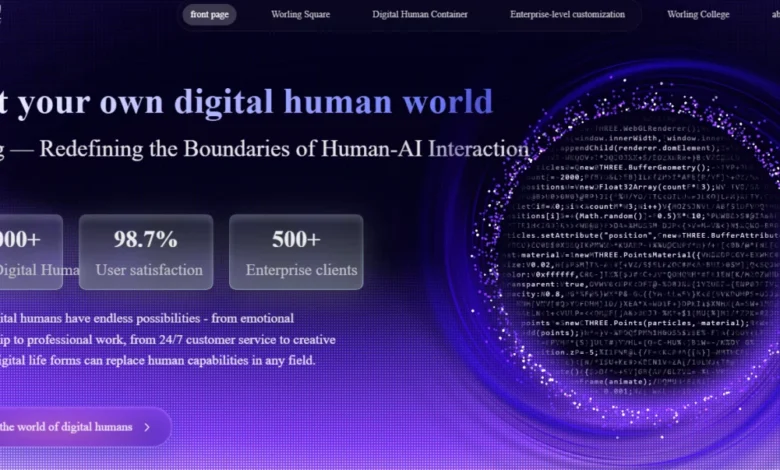
The broader web infrastructure of the Fengwo Group further highlights the scale of their operations. The company’s primary domain, fwgcloud[.]com, boldly claims to be "redefining the boundaries of human-AI interaction," boasting a fleet of over 120,000 "AI digital humans" available for rent for customer service, emotional companionship, and creative design. However, cybersecurity analysts view these claims with skepticism. Bitsight’s report suggests that the "digital human" narrative may serve as an elaborate corporate facade designed to obscure the true nature of their distributed botnet architecture—a common tactic employed by cybercriminal enterprises to deflect regulatory scrutiny and avoid drawing attention to botnet capacities.
When KrebsOnSecurity attempted to contact the Fengwo Group for comment via the email address listed on their corporate homepage, the message bounced back with a delivery failure notice indicating that the inbox was either full or overwhelmed by incoming mail.
Broader Industry Implications and Regulatory Warnings
The discovery of the Fengwo Group ad fraud network underscores a systemic vulnerability within the global consumer Internet of Things (IoT) market. Despite repeated warnings issued by federal law enforcement agencies, including the Federal Bureau of Investigation (FBI), major global e-commerce platforms continue to list and distribute countless unbranded and white-labeled streaming devices. These units frequently bypass official regulatory frameworks by bundling unofficial, modified iterations of the Android operating system.

In addition to driving fraudulent ad revenue and acting as unwitting proxy nodes, these generic devices present severe cybersecurity risks to home and corporate networks. Because they are typically manufactured without proper authentication protocols, default administrative credentials, or mechanisms for receiving security patches, they serve as prime targets for broader botnet recruitment. Earlier this year, proxy tracking firms documented separate incidents where millions of similar streaming devices were rapidly enslaved by aggressive botnets like Kimwolf, exploiting compounding vulnerabilities across both pre-installed proxy applications and device firmware.
Recommendations for Consumers and Regulators
Security experts emphasize that mitigating these threats requires a multi-layered approach from consumers, manufacturers, and regulatory bodies. Google formally advises consumers to verify the authenticity of Android TV devices by ensuring they run the official Android TV operating system and carry legitimate Google Play Protect certification. Furthermore, cybersecurity organizations such as Synthient maintain public repositories tracking known IoT hardware—including streaming sticks, TV boxes, and digital photo frames—that have historically shipped with pre-installed proxy software or malware.
As regulatory pressure mounts, industry leaders are slowly enacting defensive measures. Major television manufacturers, such as LG, have recently announced moves to ban residential proxy software from smart TV application ecosystems. Nevertheless, the proliferation of cheap, unverified streaming hardware across online retail channels remains an uphill battle for cybersecurity defenders. For everyday consumers, the findings serve as a stark reminder: when purchasing connected home entertainment hardware, sticking to established, reputable brand names and carefully auditing installed applications is essential to preventing private home networks from becoming unwitting accomplices in global cybercrime.
Related posts: