World of Warcraft Forever is the long-rumored Classic Plus expansion officially confirmed by Blizzard Entertainment

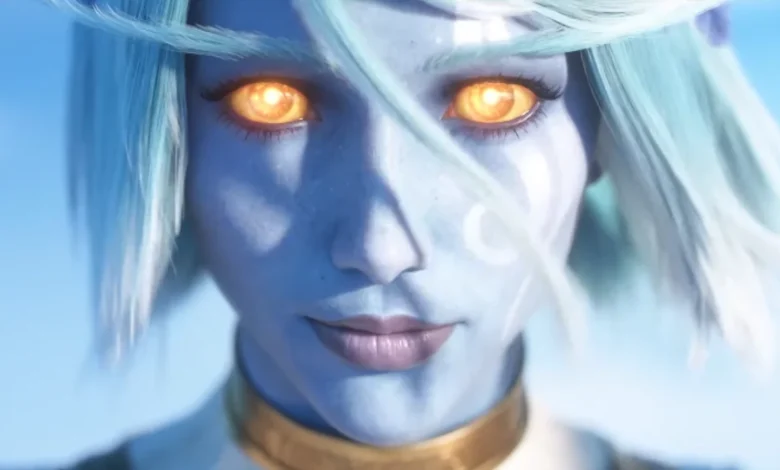
The landscape of Azeroth is set to undergo a transformative shift as Blizzard Entertainment officially unveils World of Warcraft: Forever, the highly anticipated project previously whispered throughout the community as "Classic Plus." Confirmed during the BlizzCon Opening Ceremony, this new branch of the long-running massively multiplayer online (MMO) role-playing game marks a departure from the preservationist philosophy of previous classic iterations. Rather than merely recreating the 2004 vanilla experience, World of Warcraft: Forever intends to treat the foundation of the original game as a springboard for entirely new narratives, zones, and mechanical expansions that were never realized in the game’s original development cycle.
A New Chapter for the Original Azeroth
For nearly two decades, World of Warcraft has evolved through numerous expansions, each adding layers of complexity, high-fidelity graphics, and systemic overhauls. However, a significant portion of the player base has consistently expressed a desire for the slower, more community-focused gameplay loop found in the game’s earliest iterations. World of Warcraft: Classic, released in 2019, successfully captured this nostalgia, allowing players to revisit the 2004 version of the game.
World of Warcraft: Forever takes this premise a step further. According to developers, the project aims to explore "untold stories" within the original 2004 framework. This suggests that the development team will be crafting fresh content—such as new raids, unexplored continents, and class-specific questlines—that fits the design ethos and aesthetic of the original game. By choosing this path, Blizzard is effectively creating an alternate timeline for the series, one where the game’s development trajectory diverged shortly after its initial success.
Strategic Parallels: The Old School RuneScape Model
Industry analysts have been quick to draw parallels between Blizzard’s new direction and Jagex’s success with Old School RuneScape (OSRS). When Jagex launched OSRS in 2013, it was intended to be a static version of the game from 2007. However, the community’s desire for new content, combined with a collaborative development process where players vote on proposed updates, allowed OSRS to evolve into a distinct, highly popular entity. Today, OSRS boasts a larger player base than the original game, proving that players are often more interested in the "feel" and "soul" of an early-era game than in a literal, unchanging preservation of the past.
Blizzard appears to be adopting a similar philosophy. By leveraging the base architecture of the 2004 client, the company hopes to recapture the lightning-in-a-bottle appeal of the original World of Warcraft while providing long-term engagement for veterans who have exhausted the content of the base Classic experience.
The Chronology of Development and Launch
The announcement follows months of intense speculation within the gaming community, fueled by data miners and industry insiders. The timeline for the release is aggressive, signaling Blizzard’s confidence in the stability of the new branch:
- Pre-Announcement Phase: Persistent rumors regarding "Classic Plus" circulated for over two years, with players identifying file-system hints in the Battle.net launcher.
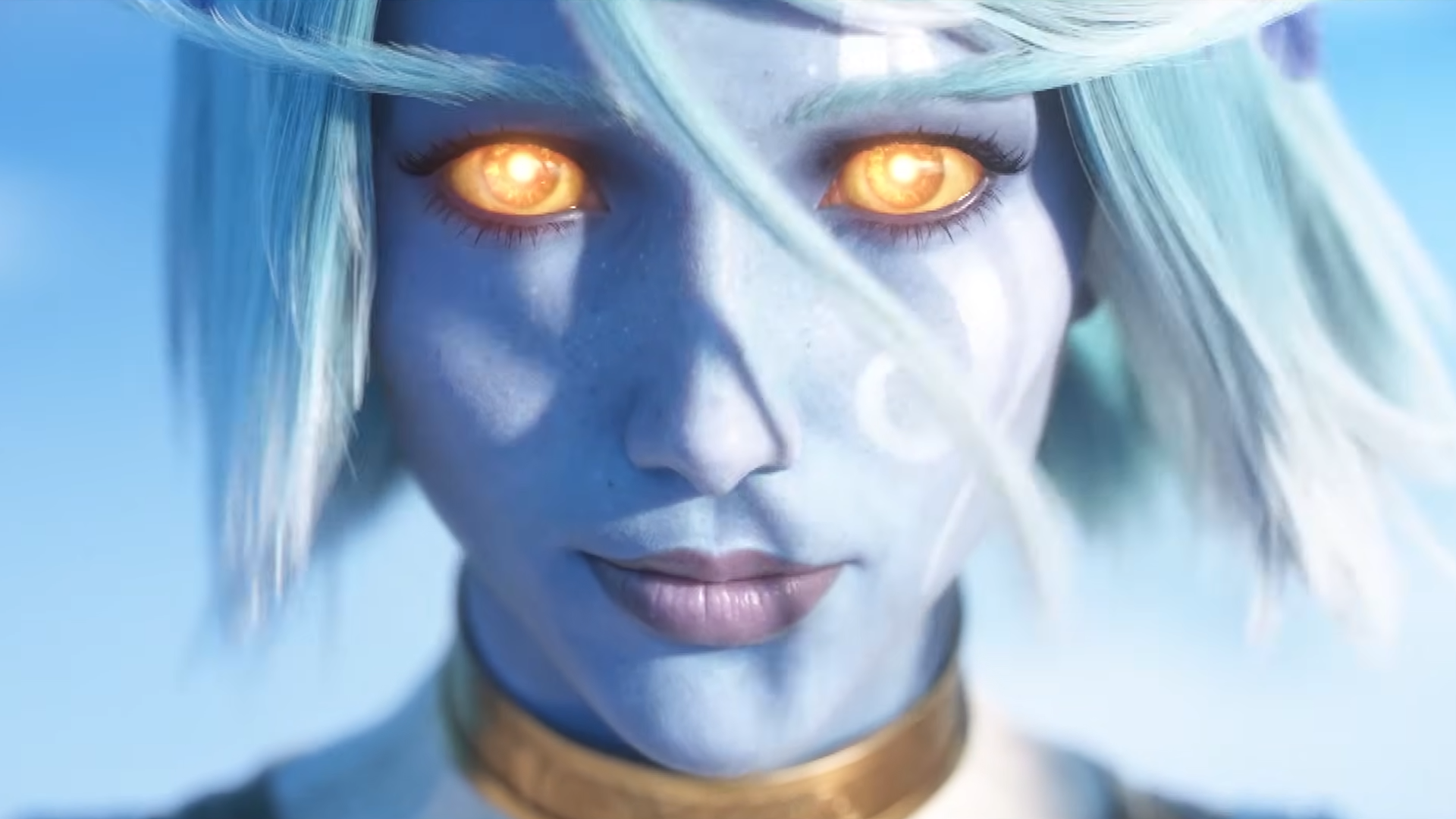
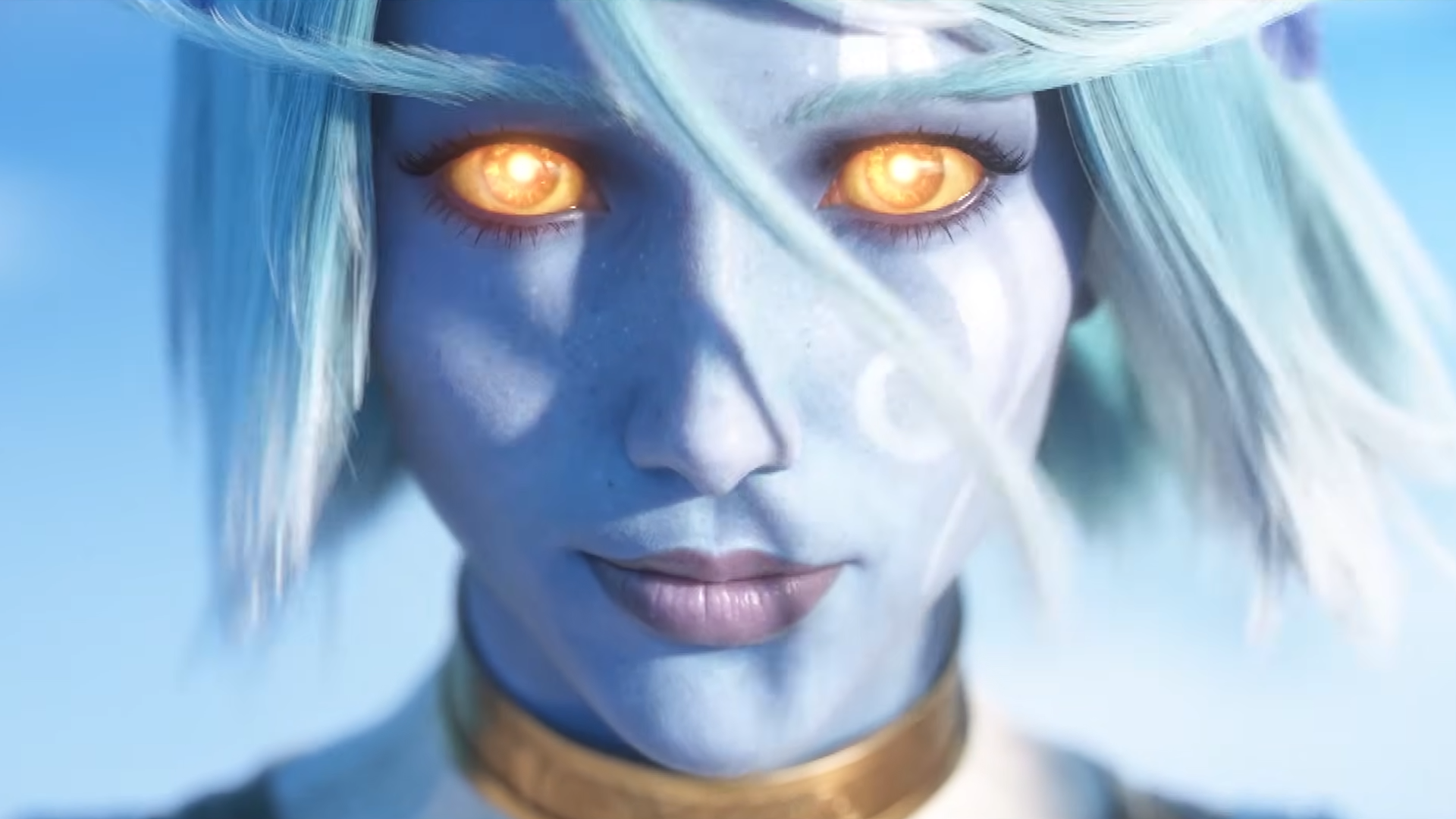
- BlizzCon Reveal: The official announcement occurred during the BlizzCon Opening Ceremony, where the cinematic trailer showcased a return to the original, iconic aesthetic of the 2004 era.
- Public Testing: A closed beta phase is scheduled to begin this Thursday, allowing select community members and press to test the initial content offerings.
- BlizzCon Hands-On: Attendees at the convention will have the first public opportunity to play through early-game zones and test the new class balance adjustments.
- Official Launch: World of Warcraft: Forever is slated for a worldwide release on November 4.
Subscription Structure and Monetization
Access to World of Warcraft: Forever is included with the standard monthly subscription fee that currently covers both the retail version of World of Warcraft and existing Classic servers. This approach ensures that the existing player base can transition into the new content without additional barriers to entry.
However, Blizzard is also introducing "upgrade packs" for the game. Starting at $30, these bundles include cosmetic items and, notably, access to the new "Skyborne" race. This move has sparked some debate regarding the implementation of microtransactions in a "Classic" environment, though Blizzard maintains that these packs are strictly optional and intended to provide additional value for players looking to customize their experience from the start.
Broader Implications for the Blizzard Ecosystem
The launch of World of Warcraft: Forever presents an interesting logistical challenge for Blizzard. By maintaining three distinct versions of the game—the current retail expansion, the static Classic servers, and now the evolving Forever branch—the company is effectively tripling its content development requirements.
While some industry observers worry about the potential for player base dilution, others argue that the three versions cater to fundamentally different demographics. Retail players often prioritize end-game progression and high-speed mechanical encounters, whereas Classic players prefer the social dynamics, slower progression, and "world-building" focus of the early game. World of Warcraft: Forever occupies a middle ground, offering a modern content delivery pace wrapped in a classic design language.
From a business perspective, the decision is a low-risk, high-reward maneuver. The foundational code for the 2004 client is already stable and well-understood by the development team. Expanding upon this base allows for a more efficient development cycle compared to the high-budget, high-complexity demands of the current retail expansion, which requires new engine features, cinematics, and complex encounter design.
Analyzing the Future of the Brand
The success of World of Warcraft: Forever will likely hinge on the quality of the new content. If the additions remain faithful to the spirit of the original game—emphasizing character progression, world exploration, and group-dependent gameplay—it could significantly bolster Blizzard’s long-term subscription numbers.
Furthermore, this pivot suggests that Blizzard is shifting toward a "service-based" strategy for its legacy titles. By treating the original World of Warcraft as a living product rather than a museum piece, the company is signaling that the IP is not just a historical asset, but a modular platform capable of sustaining multiple, simultaneous design philosophies.
As November 4 approaches, all eyes will be on how the community reacts to the first pieces of truly "new" classic content. If the execution meets the expectations set by the trailer, World of Warcraft: Forever could define the next decade of the franchise, turning a nostalgic project into the most vibrant, community-driven sector of the World of Warcraft ecosystem. Whether or not this fragmentation of the player base leads to a healthier, more diverse community remains to be seen, but the sheer ambition of the project confirms that Blizzard is not yet ready to let the sun set on the original version of Azeroth.
Related posts: