As the global marketing landscape shifts toward the final quarters of 2026, brands are increasingly prioritizing early-stage planning to capture the surge in consumer spending typical of the holiday season. The digital ecosystem has evolved significantly over the past five years, placing short-form video platforms at the center of the consumer journey. While traditional social media strategies often relied on static imagery and scheduled posts, the 2026 market demands a more fluid, trend-responsive approach. TikTok, despite being a subject of geopolitical debate in previous years, remains a dominant force in shaping consumer behavior, particularly among Gen Z and Generation Alpha, who utilize the platform not just for entertainment but as a primary search engine and e-commerce portal.
The necessity of building a robust organic presence before launching high-spend paid campaigns is a central tenet of modern digital marketing. For the 2026 holiday cycle, industry experts suggest that the "foundation-first" approach is no longer optional. Brands that fail to establish an authentic voice through organic content often find their paid advertisements met with skepticism or "ad blindness." Consequently, Social Media Today and other industry analysts have begun outlining comprehensive overviews to help marketers navigate the complexities of TikTok’s algorithm, which continues to prioritize engagement and relevance over follower counts.
The Evolution of the TikTok Ecosystem
By 2026, TikTok has moved far beyond its origins as a lip-syncing app. It is now a multifaceted tool for social commerce, search, and community building. The platform’s integration of "TikTok Shop" has fundamentally changed the sales funnel, allowing users to discover, research, and purchase products without ever leaving the application. This "closed-loop" shopping experience means that every organic video serves as a potential storefront.
Market data indicates that as of early 2026, over 65% of TikTok users have made a purchase based on a recommendation from a creator or a brand’s organic video. Furthermore, the platform’s search functionality has begun to rival traditional search engines for product discovery. Users are increasingly typing queries like "best holiday gifts for tech lovers" directly into TikTok’s search bar to see visual, peer-vetted reviews rather than text-based lists. This shift necessitates a strategy that combines Search Engine Optimization (SEO) within the app with high-quality, trend-aligned creative content.
Leveraging Native Trend Analysis Tools
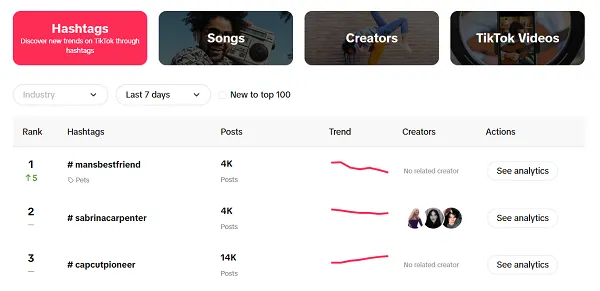
To succeed on TikTok, marketers must move at the "speed of culture." The platform provides several native tools designed to help brands identify what is currently resonating with their target demographics. The TikTok Creative Center remains the most vital resource for this purpose.
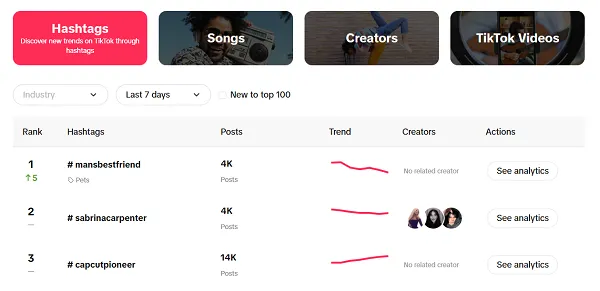
The TikTok Trends tool allows marketers to track trending hashtags, songs, and video styles by region and industry sector. In 2026, this tool has become more sophisticated, offering predictive analytics that suggest which trends are on the rise and which are reaching a saturation point. By monitoring these insights, a brand can pivot its content calendar in real-time. For example, if a specific holiday-themed sound begins to trend in late October, a brand can quickly produce a video using that sound to increase its visibility in the "For You" feed (FYP).
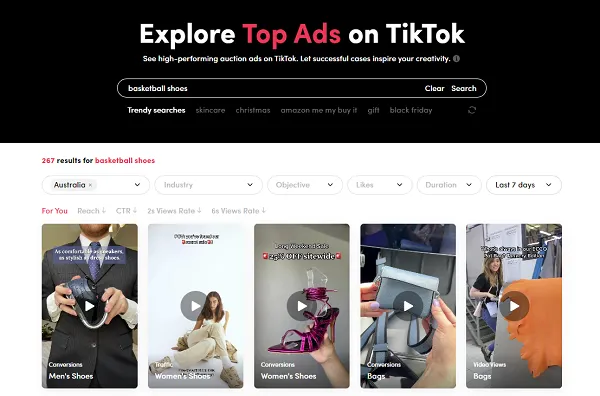
Complementing the Trends tool is the Top Ads listing. This database offers a transparent look at the highest-performing advertisements on the platform. Marketers can filter these ads by objective—such as brand awareness, app installs, or conversions—as well as by industry. Analyzing these ads provides more than just aesthetic inspiration; it allows brands to see the technical structure of successful content, such as the timing of the "hook," the placement of the call-to-action (CTA), and the use of text overlays. Observing the comment sections of these top-performing ads also provides invaluable qualitative data, revealing common customer questions and pain points that a brand can address in its own organic content.
Building a Strategic Database of Themes and Formats
Successful TikTok marketing in 2026 is rarely the result of a single viral hit. Instead, it is built on a consistent application of proven formats. Professional marketers are encouraged to build an internal database or "swipe file" of key themes that resonate with their specific niche.
Commonly successful formats include:
- Educational/How-To: Providing value by teaching the audience something new about a product or industry.
- Behind-the-Scenes (BTS): Humanizing the brand by showing the people and processes behind the holiday promotions.
- Community Interaction: Using the "Stitch" or "Duet" features to engage directly with user-generated content.
- Problem/Solution: Identifying a common holiday stressor (e.g., last-minute gifting) and positioning a product as the solution.
By categorizing successful content into these formats, marketing teams can create a diversified content mix that prevents audience fatigue. This structured approach ensures that even when specific trends fade, the underlying strategy remains grounded in effective storytelling.
The Creator Economy and Influencer Partnerships
The role of the "influencer" has transitioned into the "creator" in the 2026 landscape. Brands have realized that creators often have a better intuitive grasp of the platform’s nuances than internal marketing teams. Influencer marketing on TikTok is no longer about finding the person with the most followers; it is about finding the person with the highest engagement and the most authentic connection to a niche.
Using TikTok Trends to identify popular creators within a specific sector allows brands to see who is leading the conversation. Partnerships in 2026 are increasingly focused on "co-creation," where the brand provides the product and the objective, but the creator maintains full control over the creative execution. This authenticity is critical; TikTok users are notoriously quick to dismiss content that feels overly produced or "corporate."
Recent industry reports suggest that "micro-influencers" (those with 10,000 to 100,000 followers) often yield a higher Return on Ad Spend (ROAS) for holiday campaigns because their audiences are more specialized and trusting. For a 2026 holiday strategy, a diversified portfolio of creators—ranging from niche experts to broader lifestyle vloggers—is considered the gold standard.
Chronology of a 2026 Holiday Campaign
A successful Q4 strategy on TikTok typically follows a specific timeline:
- July – August (The Research Phase): Marketers use TikTok Trends and Top Ads to analyze the previous year’s performance and identify emerging shifts in user behavior. Initial outreach to creators begins during this period.
- September (The Foundation Phase): Brands ramp up organic posting frequency. This period is used for "A/B testing" different content formats to see what generates the most engagement before the high-stakes holiday season begins.
- October (The Awareness Phase): The brand begins to introduce holiday-specific themes. Organic content focuses on "coming soon" teasers and early-bird gift guides to build anticipation.
- November (The Conversion Phase): This is the peak period for both organic and paid efforts. Brands leverage Black Friday and Cyber Monday trends. The focus shifts toward clear CTAs and utilizing TikTok Shop features.
- December (The Retention Phase): Content shifts toward last-minute shipping deadlines and "unboxing" videos. Post-holiday content focuses on customer appreciation and preparing for the New Year.
Analyzing Results and Refining Strategy
The final pillar of an effective TikTok presence is a rigorous commitment to analytics. TikTok’s built-in analytics dashboard provides data on watch time, retention rates, and audience demographics. In the 2026 environment, "watch time" has become the most critical metric. If users are dropping off in the first three seconds, the "hook" of the video needs adjustment.
Marketers must adopt a "fail fast" mentality. By reviewing analytics weekly, teams can double down on content styles that are driving traffic to their TikTok Shop while abandoning formats that fail to gain traction. This iterative process is what allows brands to maintain relevance in an environment as fast-paced as TikTok.
Broader Implications and Future Outlook
The shift toward organic-first, trend-heavy marketing on TikTok reflects a broader change in the relationship between brands and consumers. In 2026, the "hard sell" is being replaced by "entertainment-first" commerce. Brands are no longer just sellers; they are content creators and community participants.
This evolution has significant implications for the marketing industry. It requires creative teams to be more agile and data-informed than ever before. Furthermore, the success of TikTok has forced other platforms, such as Instagram and YouTube, to continuously update their own short-form video features, creating a highly competitive landscape for user attention.
For marketers looking toward the second half of 2026, the message is clear: TikTok is not a secondary channel for repurposing television commercials. It is a unique ecosystem that requires its own dedicated strategy, rooted in trend awareness, creator collaboration, and a deep understanding of the platform’s native tools. By building a foundation of organic engagement now, brands can ensure they are well-positioned to capitalize on the massive opportunities presented by the upcoming holiday season.