LG Electronics USA to Suspend Smart TV Apps Utilizing Residential Proxy Networks Following Security Research Findings

LG Electronics USA, a leading innovator in home appliances and consumer electronics, announced this week its decisive intention to suspend all applications built for its smart TVs that incorporate residential proxy network functionalities. This significant move comes less than a month after a groundbreaking investigation by cybersecurity researchers revealed that a substantial portion—more than 42 percent—of games and other downloadable applications on LG’s webOS store were found to enable unknown third parties to route their internet traffic directly through a user’s television. The revelations have ignited a critical discussion about user privacy, device security, and the evolving landscape of digital monetization within the smart home ecosystem.
The Unveiling of a Pervasive Issue: Spur’s Research
The catalyst for LG’s swift action was a comprehensive research report published on July 2 by the security firm Spur. The investigation meticulously examined the prevalence of residential proxy Software Development Kits (SDKs) embedded within applications designed for smart televisions. Spur’s findings painted a stark picture, indicating that a staggering 42 percent of apps available for download on LG’s webOS smart TVs contained these SDKs, effectively transforming unsuspecting users’ televisions into continuous proxy nodes. The issue was not exclusive to LG, as the research also uncovered similar residential proxy components in more than a quarter of the applications developed for Samsung’s Tizen operating system, highlighting a systemic challenge across the smart TV industry.
The concept of a residential proxy, while possessing legitimate applications for market research, data scraping, and geo-unblocking, hinges on the ability to route internet traffic through a genuine residential IP address. When integrated into consumer devices without explicit, clear, and ongoing consent, these SDKs leverage the user’s internet connection and IP address for various purposes, often for a fee paid by third-party clients to the proxy network provider. This arrangement allows clients to bypass geographical restrictions, appear as regular internet users from specific locations, or perform large-scale data collection. However, the deployment of such technology through seemingly innocuous smart TV apps introduces a complex array of ethical, privacy, and security concerns for the end-user.
Understanding Residential Proxy Networks and Their Implications
A residential proxy network fundamentally operates by allowing a user’s device, in this case, a smart TV, to act as an intermediary for internet traffic originating from elsewhere. When an app incorporates a residential proxy SDK, it effectively "rents out" a portion of the user’s internet bandwidth and IP address to the proxy network provider. This provider then sells access to these residential IPs to clients who wish to route their own internet requests through them. The allure for app developers lies in the monetization potential: they receive payment from proxy providers for integrating these SDKs, offering an alternative revenue stream to traditional advertising or in-app purchases.
For the average smart TV user, the implications are multifaceted and largely negative. Firstly, the most immediate impact is on bandwidth consumption. While modern internet connections are robust, the continuous routing of third-party traffic can lead to noticeable slowdowns, especially in households with multiple connected devices or data-intensive activities like 4K streaming. Secondly, and more critically, there are significant privacy and security risks. The user’s IP address, which is tied to their physical location, is being used by unknown entities for unknown purposes. While proxy providers often claim to vet their clients, the potential for malicious actors to exploit these networks for illicit activities—such as spamming, credential stuffing, or even more severe cybercrimes—remains a tangible threat. If such activities are traced back to a user’s residential IP address, the unsuspecting user could face unwarranted scrutiny or even legal complications.
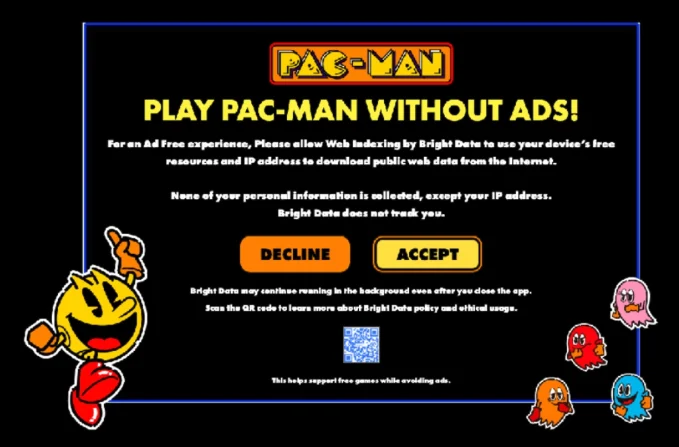
Furthermore, the very nature of smart TVs as "always-on" devices amplifies these risks. Unlike a computer or smartphone where users might be more attuned to background processes or resource usage, smart TVs often operate in a less scrutinized manner. The integration of proxy SDKs into casual games like Pac-Man or simple utility apps means that users are unlikely to suspect their television is being repurposed for external network traffic. Spur’s report highlighted this by noting that residential proxy SDKs were found bundled with a wide range of apps, from entertainment to functional tools, making it nearly impossible for a layperson to identify the covert activity.
LG’s Decisive Response and Commitment to Platform Integrity
Following the public disclosure of Spur’s research, LG Electronics USA was quick to address the escalating concerns. In a statement provided to KrebsOnSecurity, John Taylor, LG Senior Vice President, unequivocally declared that residential proxy networks are "not an intended use for LG smart TVs." He affirmed the company’s immediate commitment to working with app developers to eradicate the residential proxy option from their applications on the webOS platform. The directive was clear: developers who fail to comply with this mandate will face the suspension of their apps from the LG content store.

Taylor elaborated on LG’s proactive stance, stating, "If this option is not removed, these apps will be suspended." This firm ultimatum underscores LG’s recognition of the severity of the issue and its potential to erode user trust and compromise the integrity of its platform. He further assured that LG is dedicated to preventing the future integration of residential proxy networks into its smart TV apps, confirming that the company’s review of existing applications is "well underway now." The process involves a strengthened evaluation protocol for all developer-submitted apps, specifically targeting those that might incorporate residential proxy SDKs. This commitment reflects an understanding that maintaining a secure and trustworthy ecosystem is paramount for user satisfaction and brand reputation in the competitive smart device market.
The Developer’s Dilemma and Bright Data’s Defense
The prevalence of residential proxy SDKs in smart TV apps points to a broader trend in the digital economy: the constant search for monetization strategies by app developers. Creating and maintaining apps, even seemingly simple ones, requires resources. For developers offering free applications, generating revenue often involves integrating various third-party services, including advertising networks, data analytics tools, and, in this case, residential proxy providers. These providers offer a straightforward payment model in exchange for incorporating their SDKs, which effectively turns the user’s device into a node in their network. This financial incentive can be particularly attractive for smaller developers or those struggling to compete with established, ad-supported giants.
Among the proxy providers identified in Spur’s report, Bright Data was highlighted as accounting for a significant majority of proxy SDKs across both Samsung and LG smart TVs. In response to the revelations, Bright Data issued a statement to KrebsOnSecurity, asserting that its network operates on principles of "consent and responsibility" and strictly adheres to the terms set forth by LG and Samsung. The company emphasized that "Every peer opts in through a dedicated screen and receives value in return; every customer is vetted, and our practices have now undergone a second independent audit by PwC." Bright Data further reiterated its commitment to fostering "an open, transparent internet where legitimate businesses, researchers, and institutions can responsibly access data that lives in the public domain."
While Bright Data and other proxy providers insist on rigorous "know-your-customer" processes to validate the legitimate uses of their services—often tied to content-scraping activities—and claim technological countermeasures to prevent proxy customers from interacting with other devices on the user’s local network, Spur’s research raises fundamental questions about the nature of consent in this context. Trevor Sutter of Spur critically noted that "A one-time consent prompt buried in a TV app is not a substitute for meaningful transparency, ongoing control, and platform oversight." He further underscored the amplified risk when consent might be inadvertently given by individuals within a household, such as minors, who use the device but lack the full understanding or authority to grant such permissions. This highlights a significant disconnect between how proxy providers perceive consent and how consumers typically interact with smart device applications.
Broader Industry Implications and the Road Ahead
LG’s announcement serves as a critical turning point and a potential precedent for the wider smart device industry. The fact that Samsung’s Tizen OS also showed a substantial number of apps with similar proxy components suggests that this is not an isolated incident but a systemic challenge requiring industry-wide attention. As smart TVs become increasingly integrated into daily life, offering more than just entertainment but also smart home control, communication, and productivity features, the security and privacy of these devices become paramount. Regulatory bodies, increasingly focused on data privacy (e.g., GDPR, CCPA), may also take greater interest in how device manufacturers and app developers manage user data and device resources.
The incident underscores the need for greater transparency from app developers and more stringent vetting processes from platform operators. Consumers, too, bear a responsibility to exercise caution, carefully review app permissions, and understand the terms of service, though the complexity and often opaque language can make this challenging. The challenge lies in balancing developers’ need for monetization with users’ fundamental right to privacy and device integrity.
Related Concerns: LG’s Recent Past
This recent controversy is not the only instance where LG has faced scrutiny regarding its approach to third-party software. Earlier this week, the widely respected YouTube channel Gamers Nexus brought to light another questionable partnership involving LG. Their investigation revealed that certain LG LCD monitors automatically install an application that aggressively promotes paid McAfee antivirus subscriptions. Disturbingly, this app reportedly arrives through Windows Update without any explicit approval prompt from the user. This incident, while distinct from the smart TV proxy issue, reflects a broader pattern of LG bundling or facilitating the installation of third-party software that may not be in the direct interest of the consumer, raising questions about user control and unwanted software installations on their devices.
Conclusion: A Call for Enhanced Vigilance
LG Electronics USA’s decision to remove apps incorporating residential proxy SDKs from its webOS platform is a commendable and necessary step towards safeguarding user privacy and maintaining the integrity of its smart TV ecosystem. It sends a clear message to developers about acceptable monetization practices and sets a benchmark for other smart device manufacturers. However, the underlying issue of hidden software functionalities, opaque consent mechanisms, and the relentless pursuit of monetization by app developers remains a persistent challenge across the digital landscape. As our homes become increasingly populated with interconnected smart devices, the onus is on manufacturers to implement robust security measures, on developers to act ethically, and on consumers to remain vigilant about what their devices are truly doing behind the scenes. This incident serves as a potent reminder that even the most seemingly innocuous apps on our smart TVs can harbor complex implications for our digital security and privacy.
Related posts: