Mastering the Science of Portable Refrigeration A Comprehensive Guide to Cooler Efficiency and Food Safety

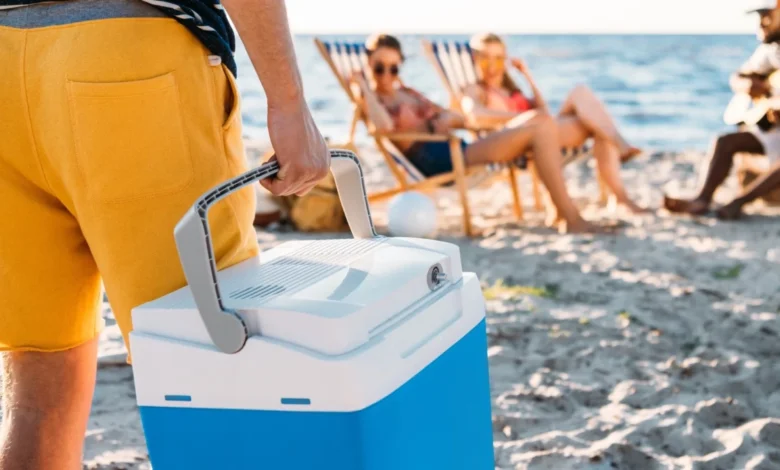
The modern cooler has evolved from a humble plastic box into a sophisticated piece of thermodynamic engineering, yet most consumers continue to underutilize these tools by failing to account for the physics of heat transfer. While the casual observer may view packing a cooler as a simple task of dumping ice over beverages, professional outfitters and thermal scientists argue that a systematic approach—beginning a full day before departure—is essential for maintaining safe temperatures and maximizing ice longevity. As outdoor recreation continues to see record participation rates across North America, understanding the mechanics of portable refrigeration has become a vital skill for ensuring food safety and comfort in remote environments.
The Evolution of Portable Cooling Technology
The history of the cooler is a testament to human ingenuity in the face of environmental challenges. Before the mid-20th century, outdoor food preservation relied on heavy, insulated "ice chests" or evaporation-based methods. The transition to lightweight, mass-produced coolers occurred in the 1950s, but the most significant leap in technology came with the advent of rotomolded construction in the early 2000s.
Rotational molding allows for thicker walls and a continuous layer of high-density polyethylene, which is then injected with commercial-grade polyurethane foam. This design eliminates the seams found in traditional blow-molded coolers, where air leakage often occurs. Today, the market is bifurcated between these high-performance "super-coolers" and traditional lightweight models, each serving specific logistical needs. According to industry market reports, the global portable cooler market was valued at approximately $1.5 billion in 2023, driven largely by a shift toward premium, long-duration cooling solutions for "overlanding" and extended camping trips.
The Thermodynamics of Heat Transfer in Coolers
To pack a cooler effectively, one must understand the three modes of heat transfer: conduction, convection, and radiation.
- Conduction: This is the direct transfer of heat through materials. In a cooler, heat moves from the outside air through the walls to the ice. Thick insulation with low thermal conductivity (like polyurethane) slows this process.
- Convection: This involves the movement of air or liquid. Every time a cooler lid is opened, cold air escapes and is replaced by warm ambient air, which then transfers its heat to the ice.
- Radiation: This is heat transfer via electromagnetic waves, primarily from the sun. A cooler sitting in direct sunlight absorbs radiant energy, significantly increasing the internal temperature compared to a cooler kept in the shade.
The "latent heat of fusion" is the scientific principle at play when ice melts. It takes a specific amount of energy—144 BTUs per pound—to turn 32°F ice into 32°F water. A well-packed cooler manages this energy exchange by minimizing the amount of "work" the ice has to do to cool down the internal environment and the contents.
Chronology of Preparation: The 24-Hour Strategy
Professional guides and experts from leading manufacturers like Yeti and Pelican emphasize that the most critical phase of cooler management happens before a single item is packed.
T-Minus 24 Hours: The Pre-Chill Phase
The most common mistake made by consumers is retrieving a cooler from a hot garage or attic and immediately filling it with ice. A cooler stored in a 90°F environment has "latent heat" trapped within its insulation. If ice is added immediately, a significant portion of its cooling capacity will be spent cooling the cooler’s walls rather than the food.
Experts recommend a "sacrificial" bag of ice or frozen gallon jugs placed inside the cooler 12 to 24 hours before use. This brings the internal temperature of the insulation down to near-freezing levels. Simultaneously, all food and beverages intended for the cooler should be chilled in a standard refrigerator. Packing room-temperature soda cans is a "thermal tax" that forces the ice to work harder than necessary.
T-Minus 12 Hours: Deep Freezing
Whenever possible, items that will be consumed later in the trip—such as meats or water bottles—should be frozen solid. These items act as supplemental "ice blocks," contributing to the overall thermal mass of the cooler without taking up additional space.
The Loading Phase: Stratification and Ratios
When it is time to pack, the 2:1 ice-to-contents ratio is the industry standard for multi-day trips. This means the cooler should be two-thirds ice and one-third food and drink. The arrangement of items is equally vital:
- Bottom Layer: Large blocks of ice or frozen jugs provide a long-lasting cold base.
- Middle Layer: Heavy, perishable items like meats and dairy should be placed directly against the ice.
- Top Layer: Items that are frequently accessed or easily crushed (produce, eggs, bread) should stay at the top.
- Filling the Voids: Air is the enemy of ice. Any "dead space" in the cooler should be filled with extra ice or crumpled newspaper to prevent warm air from circulating.
Supporting Data: Ice Type and Performance
Not all ice is created equal. The performance of a cooler is heavily influenced by the surface area and temperature of the ice used.
- Block Ice vs. Cubed Ice: Block ice has a lower surface-area-to-volume ratio, meaning it melts much slower than cubed ice. However, cubed ice is more effective at quickly chilling items because it can surround them more completely. A hybrid approach—blocks at the bottom for longevity and cubes on top for immediate cooling—is often the most effective.
- Dry Ice: Some high-end hard coolers are "dry ice compatible." Dry ice (solid carbon dioxide) stays at -109.3°F. While extremely effective for keeping items frozen, it requires specialized handling and can shatter plastic if the cooler is not designed to withstand the extreme cold.
- The Meltwater Debate: Contrary to popular belief, you should not always drain the cold water from a cooler. While air is an insulator, cold water is a better thermal conductor than air. As long as food is in watertight containers, keeping the meltwater helps submerge items in a 32°F bath, maintaining a consistent temperature more effectively than air gaps.
Hardware Selection: Hard vs. Soft Coolers
The choice between a hard-sided and soft-sided cooler depends on the specific mission profile.
Hard-Sided Coolers: These are the gold standard for multi-day camping, fishing, or hunting trips. Their thick walls (often 2-3 inches) and gasketed lids provide superior insulation. However, they are heavy and take up significant space in a vehicle.
Soft-Sided Coolers: Utilizing closed-cell foam insulation, these are designed for portability and short-term use (typically 12–24 hours). They are ideal for day trips to the beach or hiking, as they are lighter and can often be worn as backpacks. However, they lack the thermal mass required to keep ice for several days in high-heat conditions.
Official Responses and Food Safety Implications
The United States Department of Agriculture (USDA) and the Food and Drug Administration (FDA) provide clear guidelines on food safety that correlate directly with cooler performance. Perishable foods must be kept at or below 40°F (4.4°C) to prevent the growth of harmful bacteria.
"The ‘Danger Zone’ for food is between 40°F and 140°F," states a USDA food safety bulletin. "In an outdoor setting, if the temperature is above 90°F, food should not be left out for more than one hour."
For many outdoor enthusiasts, a failing cooler isn’t just an inconvenience; it is a health risk. Inferred reactions from health officials suggest that many cases of "stomach flu" reported during the summer months are actually instances of foodborne illness caused by improper cooler management. By following the pre-chilling and packing protocols, users ensure that their "cold chain" remains unbroken from the grocery store to the campsite.
Broader Economic and Cultural Impact
The rise of the "premium cooler" has created a new consumer category. What was once a $20 commodity item found at a gas station has become a status symbol and a piece of "buy-it-for-life" gear. This shift reflects a broader cultural trend toward high-quality outdoor equipment as consumers seek more authentic and extended experiences in nature.
Furthermore, the environmental impact of cooler use is a growing area of study. High-performance coolers reduce the need for frequent ice refills, which in turn reduces the energy consumption associated with ice production and transportation. Additionally, the move toward durable, long-lasting coolers helps mitigate the "throwaway culture" associated with cheap styrofoam coolers, which are non-biodegradable and frequently end up as litter in marine and wilderness environments.
Conclusion: The Art of the Chill
Mastering the cooler is a blend of planning, physics, and discipline. From the initial 24-hour pre-chill to the strategic layering of block and cubed ice, every step serves the goal of fighting entropy. As climate patterns continue to produce record-breaking summer heat, the ability to maintain a portable cold environment is no longer just a luxury for the backyard barbecue—it is an essential component of modern outdoor logistics and public health. By treating the cooler as a technical tool rather than a simple container, users can ensure that their provisions remain safe, their beverages remain refreshing, and their excursions into the great outdoors remain uninterrupted.
Related posts: