Samsung Deepens Black Friday Discounts on Galaxy Z Fold8 Series and S26 Ultra Flagships

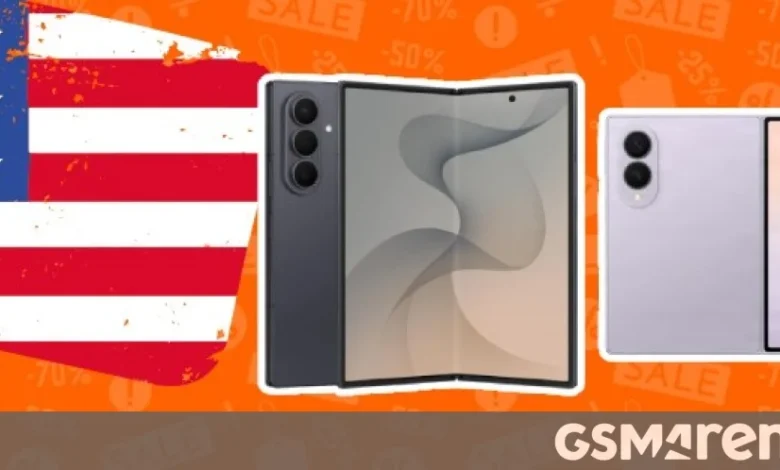
Amazon’s ongoing Black Friday promotional event has entered a more aggressive phase, prompting major consumer tech brands and major online retailers to sweeten their seasonal hardware incentives. Prominent among these rollbacks are Samsung’s flagship mobile devices, specifically the cutting-edge foldable lineup and the powerhouse slab phone series. As the shopping week progresses toward its peak, consumer electronics enthusiasts are witnessing a strategic escalation in price cuts for some of the most sought-after mobile hardware released in the current product generation.
Initially introduced earlier in the week with respectable promotional offsets, Samsung’s high-end portfolio—anchored by the Galaxy Z Fold8, the Galaxy Z Fold8 Ultra, and the traditional flagship Galaxy S26 Ultra—has seen its price reductions significantly amplified. Market analysts note that such mid-week adjustments are typical of major e-commerce sales cycles, designed to capture consumer interest ahead of final shopping weekend rushes. By boosting discounts by an additional $50 to $100 across varying memory configurations, retailers are attempting to clear out specific inventory tiers and stimulate conversion rates among hesitant buyers who were waiting for deeper seasonal markdowns.
The Evolving Discount Landscape: A Chronology of Price Reductions
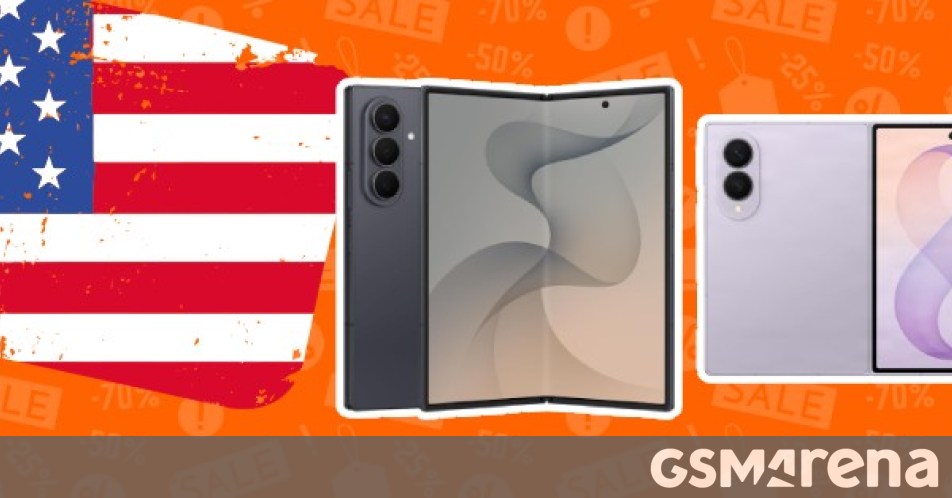
The trajectory of these promotional discounts began in the early days of the Black Friday preview windows. At the onset of the sales event, both iterations of the foldable Z Fold8 series—alongside the candy-bar style Galaxy S26 Ultra—debuted with a flat $350 discount across their introductory storage models. For many early adopters and bargain hunters, a $350 price drop on newly minted flagship devices was already a compelling reason to make a purchase, representing a substantial saving on hardware that routinely commands a four-figure baseline price.
However, as competition among online retail giants intensified midway through the week, the financial incentive structure shifted. Retail tracking data indicates that base configurations for both the standard Galaxy Z Fold8 and its larger, feature-rich sibling, the Galaxy Z Fold8 Ultra, received an enhanced $400 discount—marking a direct $50 improvement over the initial promotional pricing.

The adjustments were even more pronounced for consumers eyeing higher-capacity storage tiers. The 512GB variants of both foldable devices experienced a deeper price slash, moving from the initial $350 offset to a commanding $450 discount. This represents a full $100 increase in savings compared to the opening days of the sale. Despite these fluctuating promotional values, the inherent pricing architecture set by the manufacturer remains stable, maintaining a steady $200 price gap between the standard Z Fold8 and the Ultra variant.
Meanwhile, the non-foldable powerhouse of Samsung’s ecosystem—the Galaxy S26 Ultra—matched the aggressive trajectory of its folding counterparts. The device’s promotional discount climbed to $450, applying uniformly across both the 256GB and 512GB configurations. This synchronized price adjustment signals a coordinated effort to position Samsung’s entire upper-tier ecosystem as highly competitive against rival flagship offerings during the most lucrative retail window of the calendar year.
Comparative Analysis: Choosing Between the Z Fold8 and Z Fold8 Ultra

With the price delta between the standard Galaxy Z Fold8 and the Galaxy Z Fold8 Ultra locked at $200, prospective buyers face a nuanced decision regarding which form factor and feature set best align with their daily usage patterns. The two devices cater to distinct segments of the premium mobile market, blending innovative flexible display engineering with robust productivity suites.
The standard Galaxy Z Fold8 is engineered for users seeking a more streamlined, pocket-friendly foldable experience without sacrificing multitasking prowess. It features an optimized exterior display aspect ratio that mimics traditional smartphone ergonomics, making single-handed operation significantly more comfortable than previous generations. When unfolded, it reveals a sprawling canvas tailored for media consumption, document editing, and split-screen application management.
Conversely, the Galaxy Z Fold8 Ultra targets power users and enterprise professionals who demand uncompromising performance across all hardware vectors. The Ultra designation introduces enhancements in camera hardware—often rivaling or exceeding the capabilities found in traditional slab flagships—alongside an upgraded thermal management system, extended battery endurance, and deeper integration with productivity accessories like the S Pen. The larger internal and external real estate on the Ultra model is meticulously optimized for heavy multimedia workloads, advanced mobile gaming, and complex multi-window workflows that bridge the gap between smartphone and tablet computing.
Industry observers and technical reviewers have extensively debated the merits of each device. While the standard Z Fold8 offers a more accessible entry point into the foldable market—particularly with the newly enhanced $400 base discount—the Ultra justifies its $200 premium through superior imaging sensors, refined build materials, and enhanced battery capacity. Consumers weighing these options must determine whether the advanced camera suite and expanded screen real estate of the Ultra outweigh the ergonomic benefits and cost savings of the standard model.
The Form Factor Dilemma: Foldable Innovation Versus Slab Supremacy
Beyond the internal rivalry within the foldable ecosystem, buyers shopping Samsung’s Black Friday hardware deals must also weigh the fundamental choice between adopting a folding device or sticking with a conventional slab flagship like the Galaxy S26 Ultra.

The Galaxy S26 Ultra remains the benchmark for traditional smartphone engineering. It houses Samsung’s most advanced multi-lens camera array, featuring periscope telephoto capabilities that deliver exceptional zoom performance. Its unyielding glass-and-aluminum slab construction offers durability, dust- and water-resistance ratings that surpass current hinge-based mechanical designs, and a dedicated internal silo for the S Pen stylus. For traditionalists who prioritize absolute camera versatility, structural durability, and a classic candy-bar form factor, the S26 Ultra—now bolstered by a $450 discount on both 256GB and 512GB models—presents an exceptionally strong value proposition.
On the other hand, the Galaxy Z Fold8 Ultra represents the bleeding edge of consumer electronics engineering. It challenges the traditional limitations of mobile displays by offering a device that transitions seamlessly from a pocketable daily driver into a compact workstation. While foldables historically faced skepticism regarding crease visibility, hinge durability, and battery longevity, successive generations of Samsung’s engineering have systematically addressed these pain points, resulting in devices that command high consumer satisfaction ratings despite their premium price tags.
Broader Market Implications of Mid-Sale Discount Escalations

The decision by retailers to escalate discounts on high-end hardware mid-way through Black Friday week reflects broader economic currents within the global consumer electronics market. Premium smartphone sales have faced persistent headwinds in recent years, driven by lengthening consumer upgrade cycles and macroeconomic pressures that make four-figure hardware investments harder to justify for the average buyer.
By introducing deeper, escalating price cuts on devices like the Galaxy Z Fold8 series and the S26 Ultra, manufacturers and distributors are employing tactical inventory management. High-end flagships represent significant capital tied up in warehouse inventory; accelerating sales velocity during peak retail windows ensures that previous-generation or current-cycle premium stock maintains momentum ahead of subsequent product launches slated for the early months of the new year.
Furthermore, these aggressive promotions serve to cement brand loyalty within the premium tier. By lowering the psychological barrier to entry for foldable technology, Samsung continues to normalize flexible display devices, transitioning them from niche luxury items into mainstream productivity tools. As more consumers experience the workflow benefits of foldable displays and advanced AI-integrated processing suites, the addressable market for these high-margin devices expands correspondingly.

Navigating International Availability and Purchasing Channels
While promotional activities on platforms like Amazon provide significant savings for consumers in North America and select European territories, pricing structures and availability vary considerably by region. Affiliate pricing data highlights localized adjustments across major international markets, ensuring that buyers in the United Kingdom and continental Europe also benefit from structured promotional pricing, albeit scaled to local currency values and regional tax regulations.
For prospective buyers navigating the final hours of the Black Friday sales event, careful consideration of storage configurations is paramount. With the 512GB variants receiving the most aggressive $450 discount—outpacing the $400 cut applied to base models—the financial penalty for upgrading storage capacity has effectively been minimized. Consumers recording heavy media libraries, high-resolution video content, and extensive offline application data will find that the higher-tier configurations offer superior long-term value under the current promotional pricing scheme.

As retail windows close and stock allocations fluctuate in response to high consumer demand, the window of opportunity to secure Samsung’s flagship ecosystem at these historically low price points remains strictly time-limited. Whether opting for the ergonomic versatility of the standard Z Fold8, the uncompromising feature set of the Z Fold8 Ultra, or the traditional powerhouse reliability of the S26 Ultra, buyers are advised to review comprehensive comparative analyses and verify regional inventory before finalizing their seasonal hardware investments.