Google Home update brings Gemini enhancements and critical Nest Cam fixes to smart home ecosystem

Google has officially commenced the rollout of a significant update to its Google Home ecosystem, addressing long-standing technical grievances for Nest hardware while simultaneously expanding the capabilities of its generative AI assistant, Gemini. This latest software release represents a pivotal shift in how Google integrates artificial intelligence into the domestic environment, moving beyond simple voice commands toward a more contextual, visual, and highly automated smart home interface. As the company continues to refine its "Help me Home" initiative, this update serves to bridge the gap between legacy hardware functionality and the next generation of ambient computing.
Addressing the Nest Cam and Doorbell Technical Debt
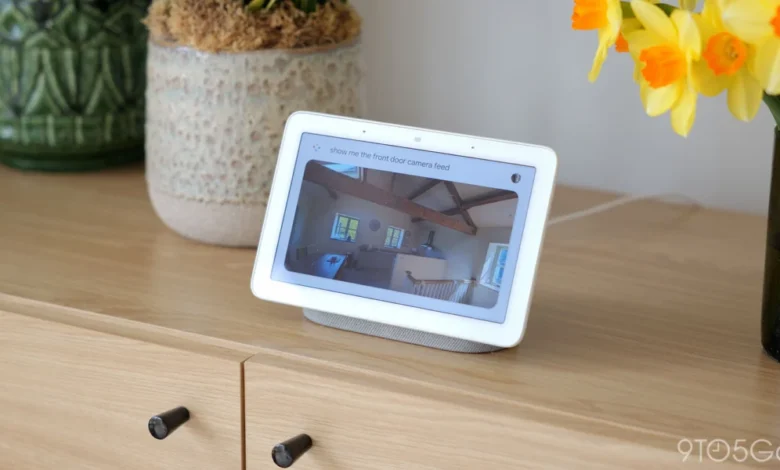
For many users, the most critical component of this update is the long-awaited resolution to the "Live View" issues that have plagued various Nest hardware products, most notably the legacy Nest Hello video doorbell. Over the past several months, users reported consistent connectivity failures when attempting to trigger live camera feeds through the Google Home app, a problem that had become a significant point of contention for those relying on the devices for home security.
The persistence of these issues highlights the complexities involved in maintaining older hardware within an evolving cloud infrastructure. The update introduces a robust fix for these stream-loading failures, ensuring that the handshake between the doorbell, the local network, and the Google cloud servers is more resilient. Furthermore, the update introduces a long-requested administrative feature: the ability to remove unmigrated Nest Hello devices from the Google Home app even if they are currently offline. Previously, "ghost" devices that had lost connectivity could linger in the application’s dashboard, creating clutter and preventing a clean UI experience. By allowing users to purge these devices, Google is signaling a move toward a cleaner, more streamlined device management architecture.
Gemini Integration: From Voice to Visual Intelligence
The integration of Gemini—Google’s large language model—into the Google Home environment remains the centerpiece of the company’s current development roadmap. While still officially labeled as an "early access" feature, the latest update brings substantial refinements to how Gemini processes smart home requests.
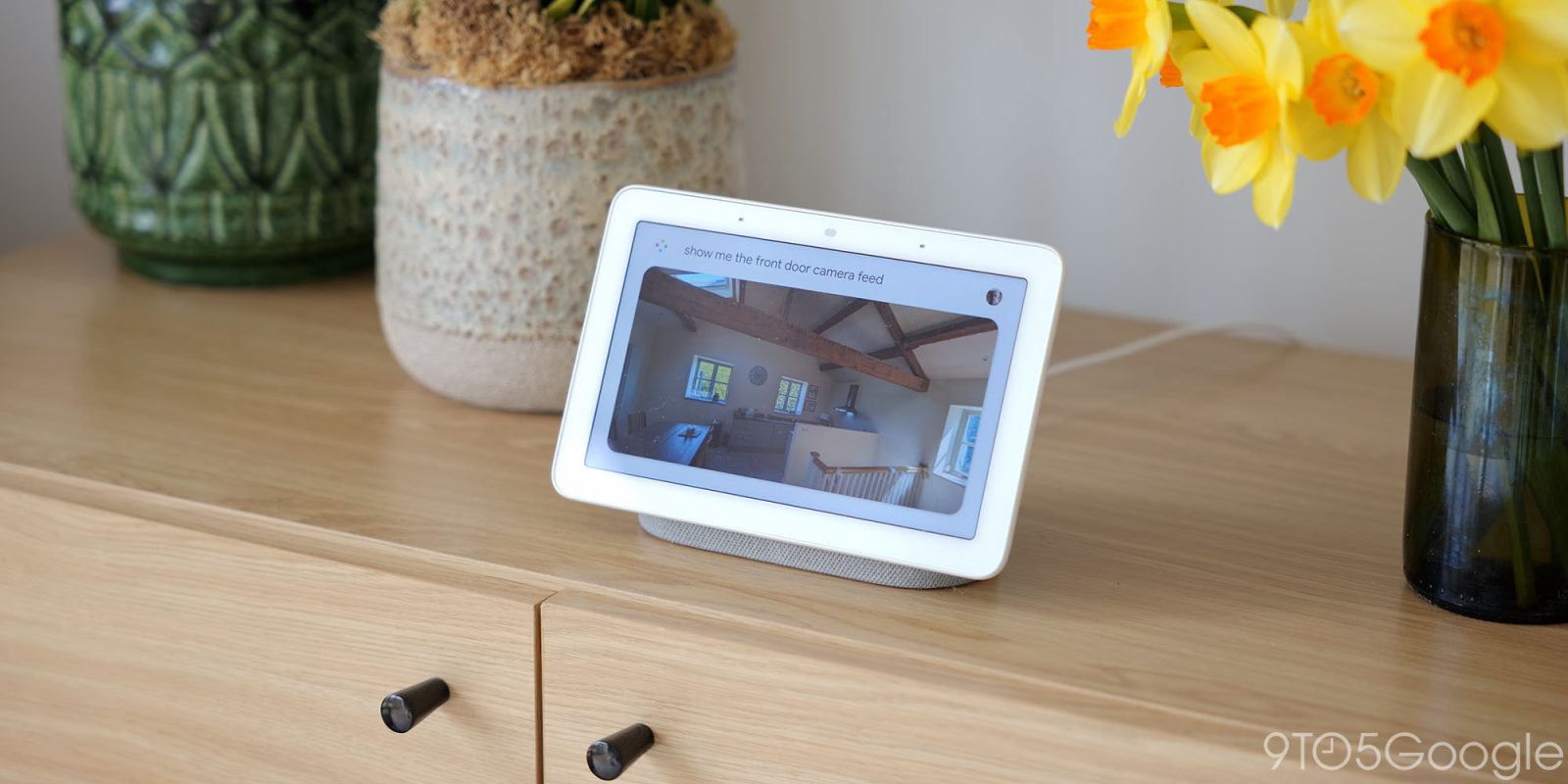
One of the most meaningful upgrades involves the transition from purely audio-based feedback to a multimodal approach on Nest Hub smart displays. Users will now experience "visual answers," where the device pulls relevant imagery to accompany spoken explanations. If a user asks a question about their home or a general query while the display is in a photo frame state, the screen will dynamically shift to present visual data. This change addresses a core limitation of previous voice-only assistants: the cognitive load required to process long-form verbal answers. By providing an "at-a-glance" visual component, Google is positioning the Nest Hub as a more effective information terminal.
Beyond visuals, the Gemini update optimizes the underlying processing speed for routine tasks. The update includes enhancements to:
- Timer and Alarm Precision: Reduced latency in setting and cancelling timers.
- Conversational Fluidity: More natural speech patterns that reduce the robotic cadence associated with legacy Google Assistant.
- Broadcast Speed: A significant reduction in the time it takes for audio messages to propagate across multiple household speakers.
Expanding the Automation Ecosystem: The Role of MCP
Perhaps the most technically significant change for power users is the expansion of Model Context Protocol (MCP) connections within the Google Home framework. This protocol allows AI agents to interface directly with a broader array of smart home devices, extending beyond simple on/off switches to granular control and status reporting.
With this update, Gemini agents can now query and manipulate an extensive list of connected peripherals. This includes advanced environmental controls like air purifiers and fans, as well as critical safety devices such as smoke and carbon monoxide detectors. The ability for an AI to access real-time status checks on safety alarms is a significant development in smart home reliability; theoretically, an automated agent could provide an immediate, actionable report on air quality or fire safety status directly through a natural language query. Furthermore, the inclusion of support for EV chargers and kitchen appliances suggests that Google is preparing its AI to manage high-energy-consumption devices, likely with an eye toward future smart grid integration and energy optimization.
Strategic Shifts in the Google Home App
The Google Home app itself is undergoing a structural reorganization to support these new features. A new "Google Home Premium" page is appearing within the settings menu, fueling industry speculation regarding potential tiered service models for advanced AI-driven smart home features. While Google has not provided an exhaustive list of what "Premium" entails, the inclusion of the page suggests that the company is exploring monetization strategies for the increased compute costs associated with running sophisticated AI models for millions of households.
The update also introduces "Eco Mode Everywhere," a feature designed for users with multiple Nest Thermostats. This toggle allows for a unified energy-saving profile, ensuring that heating and cooling schedules are synchronized across different zones of a residence. By centralizing climate control, Google is attempting to mitigate the inefficiency that often arises when users manually manage individual thermostats in a multi-room setup.
Additionally, the update includes support for Home keys in Google Wallet for compatible locks. This represents a maturation of the digital key standard, allowing users to unlock their front doors using their smartphones with higher security protocols. This integration is part of a broader industry trend toward "passkey" and "digital credential" adoption, moving away from traditional physical keys and proprietary manufacturer apps toward a unified, OS-level security standard.

Broader Implications for the Smart Home Market
The smart home market is currently in a state of transition. For years, the industry was defined by "siloed" ecosystems, where hardware from different manufacturers rarely communicated effectively. The introduction of standards like Matter was the first step toward universal interoperability. This latest Google Home update, however, represents the second phase of this transition: the era of "intelligent orchestration."
By focusing on AI-driven automation, improved connectivity for legacy devices, and deeper integration with third-party appliances, Google is attempting to solve the "fragmentation fatigue" that has slowed smart home adoption. However, the reliance on cloud-based AI models like Gemini brings its own set of concerns, particularly regarding data privacy and latency. The fact that Google is still running these features under an "early access" banner underscores the ongoing challenge of balancing innovation with the absolute reliability required for home infrastructure.
Timeline and Implementation
The rollout of these updates is currently occurring in stages, consistent with Google’s historical deployment patterns for the Google Home app and Nest firmware. Users should expect to see the following timeline for feature availability:
- Immediate: Core app updates, including the new settings menus and device removal features for Nest Cam.
- Rolling (Next 14 days): Firmware updates for Nest Hub displays, enabling visual AI responses.
- Ongoing: Server-side updates for Gemini’s smart home processing capabilities, which will continue to improve as Google iterates on its machine learning models.
The decision to focus on both legacy hardware fixes and future-facing AI integrations suggests a two-pronged strategy: retaining the existing customer base by ensuring that current devices remain functional, while simultaneously providing a compelling reason to upgrade to newer hardware that can support advanced AI features. As the smart home becomes increasingly central to domestic life, the stability of these platforms—and the transparency of their evolving features—will remain the primary metric by which consumers evaluate their ecosystem loyalty.
For the average user, the takeaway is clear: the Google Home ecosystem is moving toward a more proactive state. Rather than merely responding to direct commands, the system is evolving to anticipate needs, manage energy consumption across multiple devices, and provide a unified, visual interface for home management. Whether these changes will be enough to justify the shift toward a potential "Premium" tier remains to be seen, but for now, the update provides a welcome boost in both utility and technical reliability for the millions of households currently running on Google’s platform.