Governing the Economics of Agent Optimization: Establishing Financial Discipline for Enterprise AI


The shift from experimental AI pilots to enterprise-grade autonomous agents represents one of the most significant architectural transitions in corporate IT history. As organizations integrate agents that interact with proprietary data, execute tool-based workflows, and exercise varying degrees of autonomy, the traditional methods of managing software expenditure are proving insufficient. This article serves as the conclusion to the Economics of Agent Optimization series, focusing on the critical, perpetual requirement of governing AI spending as a managed investment system on Microsoft Foundry.
As AI agents become embedded within the enterprise estate, they operate at speeds and scales that defy traditional software governance models. Unlike static applications, agentic systems are dynamic, prone to iterative retry loops, and capable of consuming significant computational resources through chain-of-thought processing. IT leaders now face a fundamental challenge: how to govern systems that are designed to iterate and evolve faster than the quarterly budgeting cycles typically employed by finance departments.

The Chronology of Agent Optimization
To understand the current state of AI governance, one must view it as the final pillar in a four-part strategy implemented over the past several months within the Microsoft Foundry ecosystem. The first phase of this strategy, introduced in early 2026, established the foundational decisions for systems: model selection, architecture, and deployment patterns. The second phase addressed runtime optimization, focusing on request-level efficiency through prompt caching and optimized routing. The third phase focused on the longitudinal performance of agents, emphasizing context engineering and long-term memory to reduce redundant processing over time.
This fourth and final phase—governing the spend—addresses the decision that never concludes: the continuous monitoring and constraint of resources. This lifecycle approach acknowledges that an agent is not a "set-and-forget" asset, but an ongoing investment that requires active management from inception to retirement.

The Anatomy of Effective Governance: Visibility, Limits, and Value
Effective governance is not merely about cost reduction; it is about transparency, accountability, and the alignment of AI performance with business outcomes. Without a cohesive governance strategy, organizations often suffer from "usage fragmentation," where individual teams make disparate choices regarding model providers, capacity, and rate limits. This lack of centralized policy often leads to hidden inefficiencies that propagate across the entire enterprise stack.
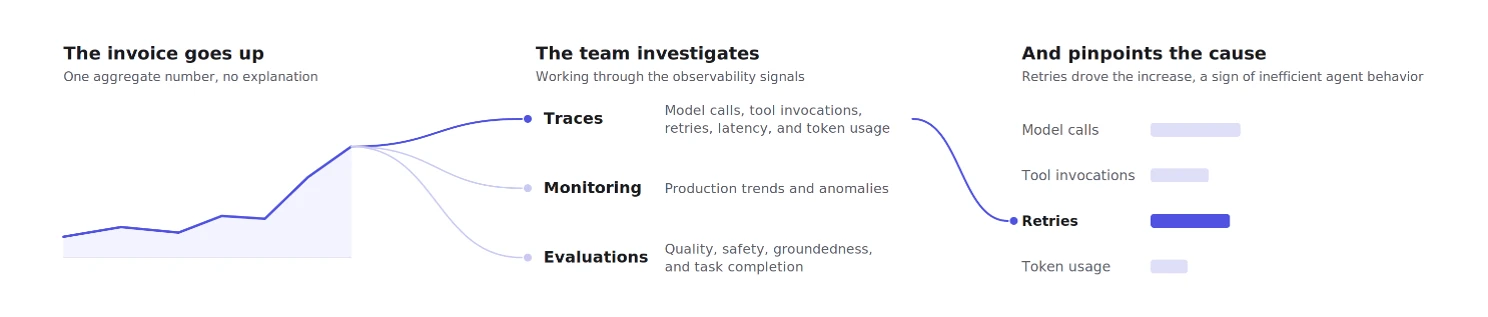
Visibility is the prerequisite for control. In the current enterprise environment, AI costs are frequently obscured within aggregate invoices, making it nearly impossible for finance teams to attribute spend to specific business units or projects. Microsoft Foundry has sought to bridge this gap by introducing project-level cost attribution. By associating every Foundry project with specific metadata tags, organizations can gain granular insight into which agents, teams, or workloads are driving consumption. This is not merely a financial exercise; it provides the diagnostic data required to determine whether rising costs are the result of increased customer demand, architectural inefficiencies, or technical regressions.
The Dual-Layer Control System: Circuit Breakers and Budgets
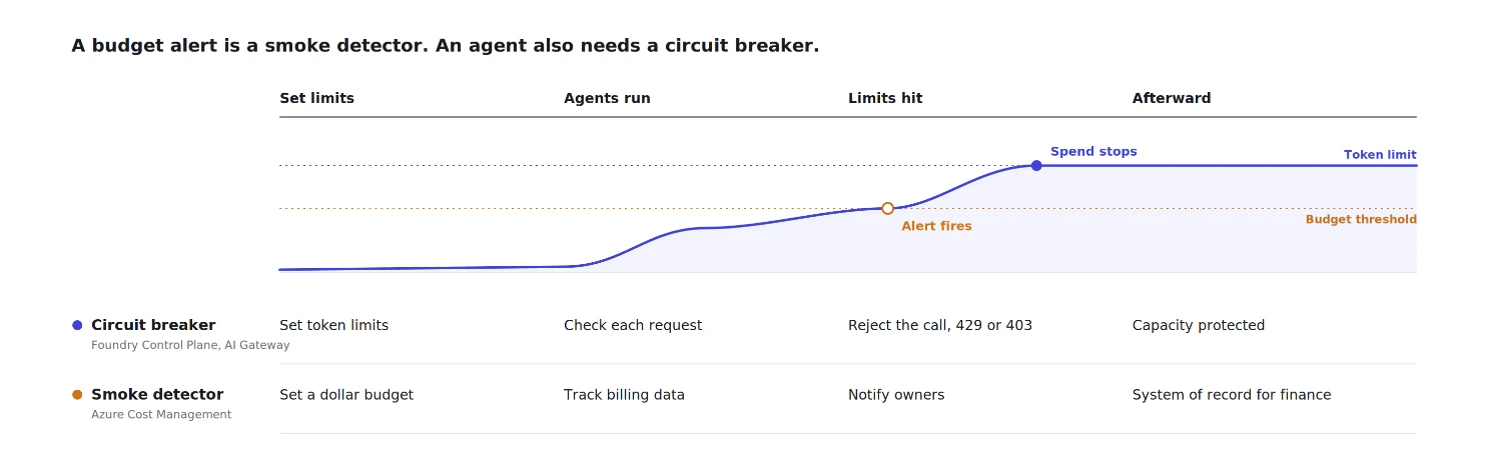
A critical distinction in modern AI governance is the difference between a "smoke detector" and a "circuit breaker." Traditional cost management tools function as smoke detectors—they analyze billing data, often with a delay, and trigger alerts when pre-defined financial thresholds are approached or exceeded. While essential for financial reconciliation, these tools are insufficient for preventing runaway agent costs in real-time.
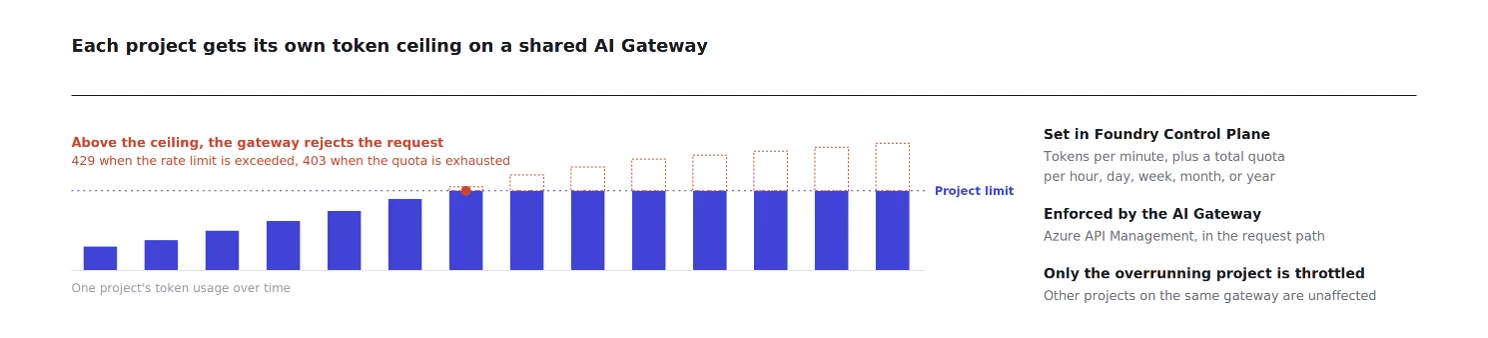
To address this, the industry is moving toward active, path-based governance. Within Microsoft Foundry, the integration of the AI Gateway allows for the enforcement of token quotas and rate limits directly within the request path. When an agent enters a logic loop or exceeds its allocated quota, the system can trigger an immediate rejection (such as a 429 Too Many Requests response) rather than allowing the consumption to continue until the end of the billing cycle.
This dual-layer approach is essential for large-scale operations. Token-based limits provide the "circuit breaker" functionality necessary for technical stability and cost containment, while financial budgets provide the "smoke detector" mechanism for overall organizational accountability. Future developments in the Foundry ecosystem aim to harmonize these two layers by introducing dollar-denominated budgets that align more closely with the financial planning processes of corporate stakeholders.
Quantifying the Return on Investment
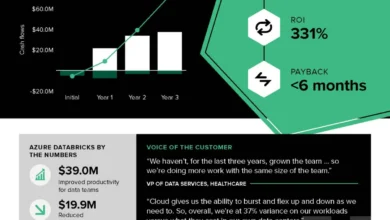
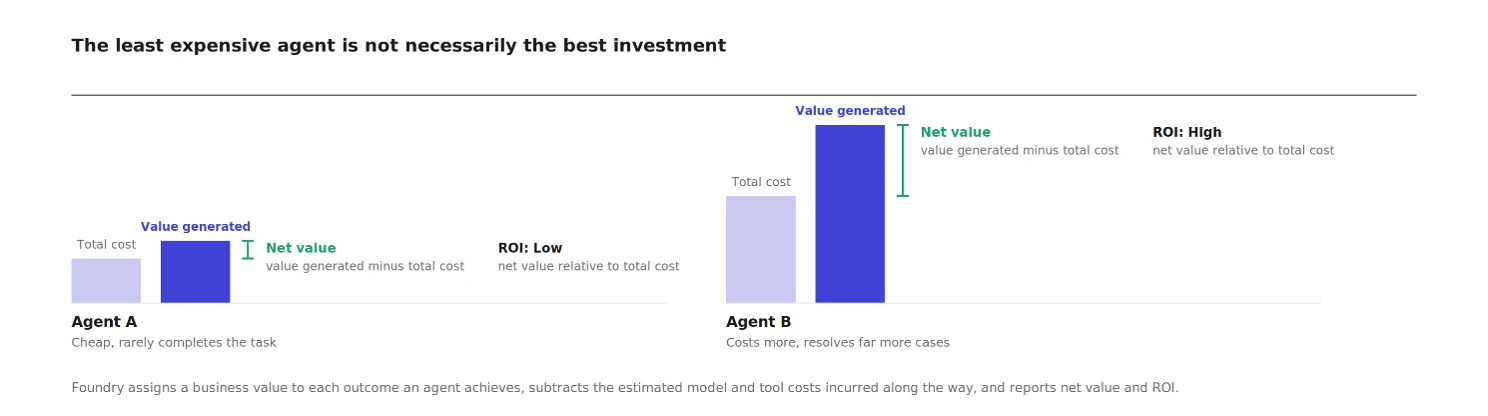
The most sophisticated governance strategies recognize that the cheapest agent is rarely the most efficient. If an agent costs significantly more but provides a superior resolution rate for customer queries, the net business value may be higher than that of a low-cost, low-utility agent. Consequently, the focus of governance is shifting from raw cost-cutting to ROI-based optimization.
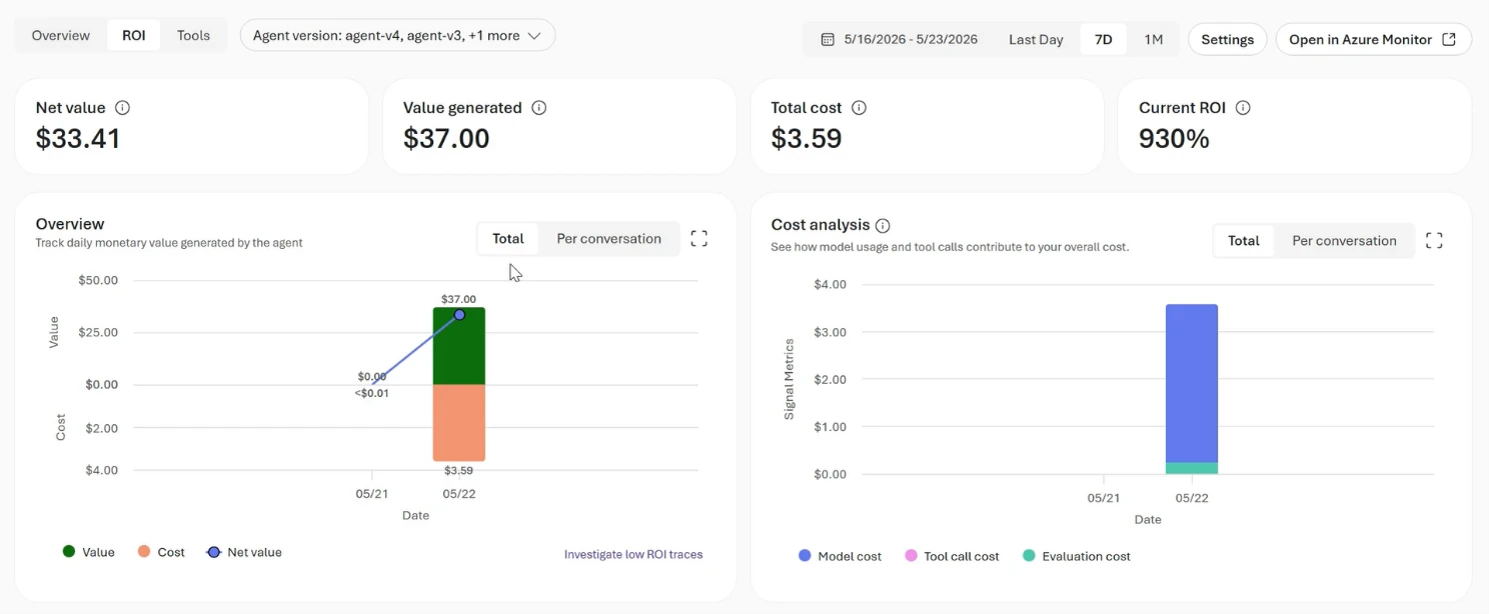
Microsoft’s ongoing development of ROI-tracking capabilities in Foundry enables organizations to link agent traces directly to business outcomes, such as successful task completions or specific case deflections. By assigning a monetary value to these outcomes, organizations can calculate the net value generated by an agent. This data transforms the conversation between developers and management; instead of discussing tokens and latency, teams can justify their architectural choices based on measurable financial impact.
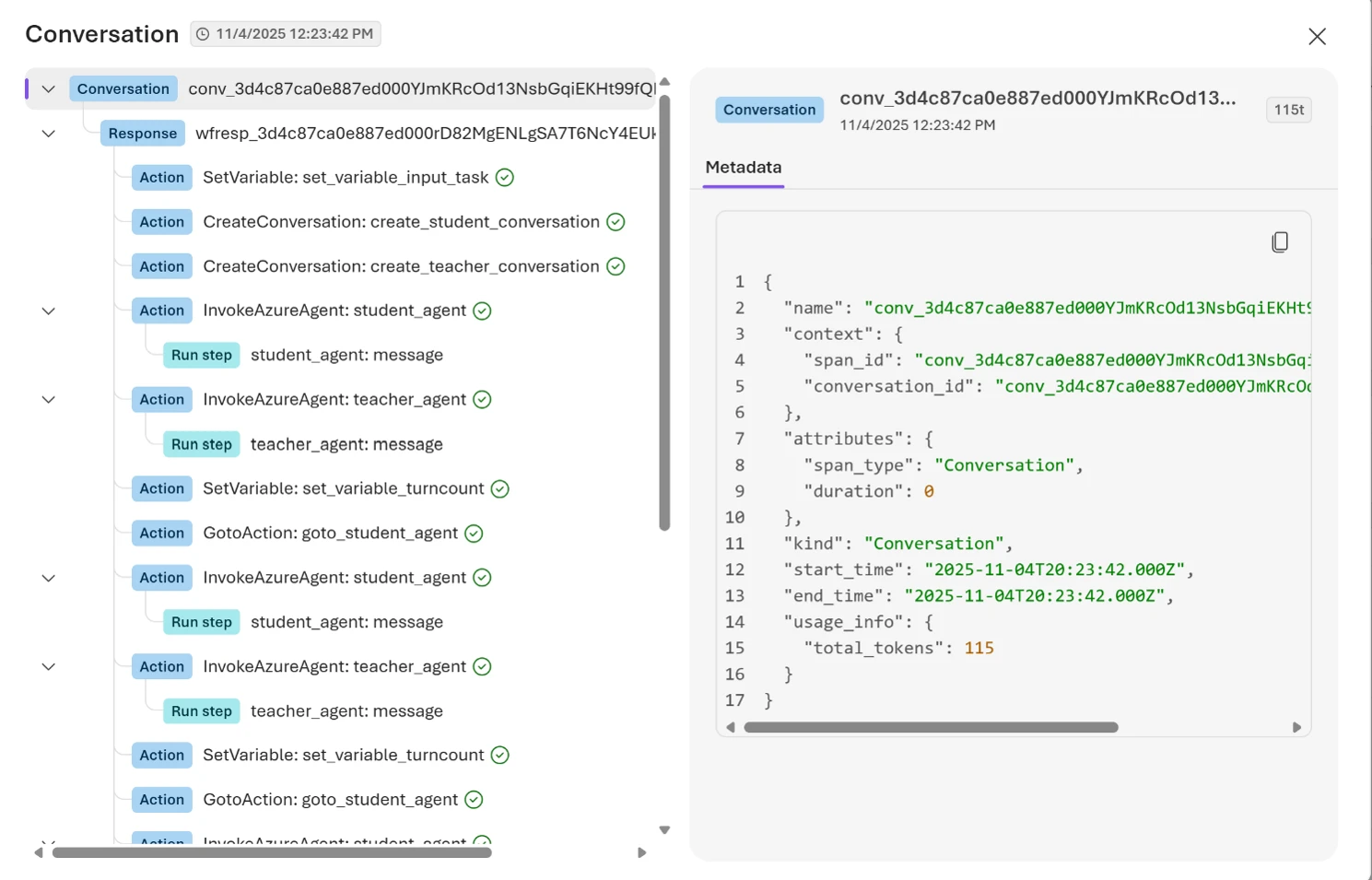
Evidence-based decision-making is now the standard. When an agent shows a lower-than-expected ROI, administrators can drill down from the high-level dashboard directly into the underlying traces. This capability allows engineers to identify if the poor ROI is due to an oversized model, unnecessary tool calls, or redundant context. In this model, governance telemetry becomes a tool for continuous improvement rather than a restrictive mandate.
Broader Implications for Enterprise AI Strategy
The implications of this managed investment approach are profound. As organizations move toward a more automated, agentic future, the ability to control costs without stifling innovation will determine the competitive advantage of the firm.
According to internal Microsoft telemetry and industry analysis, companies that implement robust governance early in their AI adoption cycle are significantly more likely to scale their pilots into production. By providing developers with the tools to see their spend and by providing finance with the tools to audit the output, companies create a "virtuous cycle" of optimization.
Furthermore, the separation of responsibilities between platform teams and business units is becoming increasingly clear. Platform teams are responsible for the infrastructure of the AI Gateway and the definition of global security policies, while business units are empowered to optimize their specific agents within those defined guardrails. This structure ensures that governance does not become a bottleneck but rather an enabler of speed.
Future Outlook: The Maturation of Agentic Systems
The journey of the past year has demonstrated that AI agents are transitioning from "black box" experiments to core components of the enterprise software stack. The maturation of these systems is characterized by a shift toward predictability. As organizations continue to deploy agents, the ability to predict, measure, and optimize their cost-to-value ratio will become a key competency for CIOs and CTOs.
The integration of advanced observability, granular attribution, and real-time enforcement is the logical conclusion of the evolution that began with simple API calls. As the industry looks toward the next generation of autonomous systems, the lessons learned from the Economics of Agent Optimization series will remain relevant: that the most successful AI systems are those that are designed to be accountable for their resource consumption from the very first token.
In summary, the governance of AI agents requires a multi-layered approach that integrates runtime controls, financial budgeting, and business outcome measurement. By treating AI as a managed investment system, enterprises can ensure that their agentic workflows remain sustainable, compliant, and—most importantly—profitable. The future of enterprise AI lies not in limiting usage, but in ensuring that every unit of compute is deployed in the service of measurable business value. Organizations that master these disciplines will be best positioned to harness the full potential of the next wave of intelligent, autonomous software.