Blizzard Entertainment Shifts Strategy Against Real-Money Trading in World of Warcraft Forever

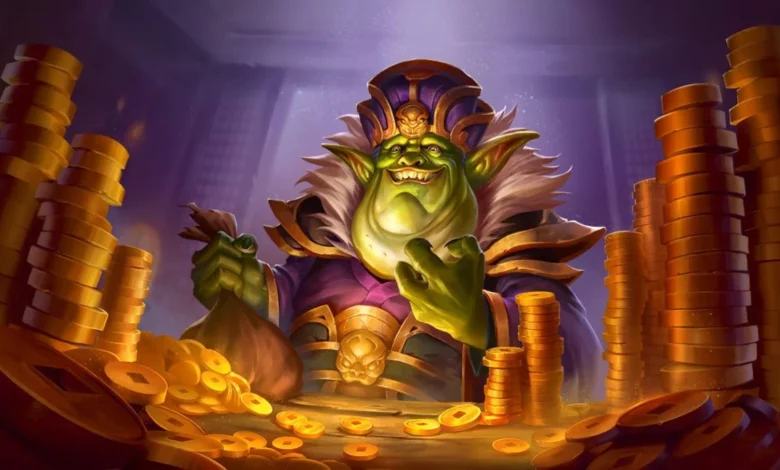
For nearly two decades, the specter of "gold selling" has loomed over the World of Warcraft experience. Veterans of the game’s early years recall the surreal sight of character corpses arranged in complex patterns across major city squares—often in Ironforge or Orgrimmar—to spell out URLs for third-party websites. These sites facilitated the exchange of real-world currency for in-game gold, a practice that directly undermined the integrity of the game’s virtual economy. While Blizzard Entertainment has historically employed a mixture of temporary account suspensions and sporadic ban waves to combat Real-Money Trading (RMT), the developer is now signaling a fundamental shift in its enforcement policy for the upcoming release of World of Warcraft: Forever.
The Evolution of the Gold Market
In the original 2004 release of World of Warcraft, gold was a precious commodity. The scarcity of high-tier gear and the significant costs associated with epic-tier mounts created a vacuum that unofficial RMT operations were quick to fill. This ecosystem birthed a "grind-or-pay" dynamic, where players could bypass hundreds of hours of gameplay by purchasing currency from offshore entities.
These operations were not merely an inconvenience; they fundamentally altered the social fabric of the game. The influx of botted, illicit gold led to massive inflation, making essential items unaffordable for casual players who participated in the game’s economy through legitimate tradeskills and auction house activity. Despite Blizzard’s attempts to address the issue through technical interventions, the problem persisted, often evolving into more sophisticated forms such as GDKP (Gold Dragon Kill Points) runs. In these scenarios, players use gold to bid on raid loot, a system that frequently serves as a laundering mechanism for RMT-acquired currency.
A Hardline Stance on Enforcement
The recent pivot in policy was underscored during a Developer Q&A session featuring senior game designer Josh Greenfield. Addressing the community’s long-standing concerns regarding the integrity of the World of Warcraft: Forever economy, Greenfield stated clearly that the studio’s previous approach to RMT—often characterized by warnings or short-term suspensions—is no longer sufficient.
"Being frank, we’ve been probably too lenient on gold buyers and it’s been a little bit easy to get around some of our actions before and we are taking it very seriously," Greenfield noted. He emphasized that the consequences for participating in RMT are being recalibrated to act as a significant deterrent. Rather than viewing an account suspension as a temporary "slap on the wrist," Blizzard is positioning itself to implement permanent account terminations for those found in violation of the End User License Agreement (EULA).
Greenfield’s warning carried a personal weight, noting his own 22-year history with his World of Warcraft account. "I can tell you it’s not worth losing it permanently, it’s not worth losing any of your accounts permanently, so I would very strongly recommend [you] don’t do it, it’s not worth it."
Chronology of Blizzard’s Anti-RMT Efforts
To understand the significance of this shift, one must look at the historical timeline of Blizzard’s moderation:
- 2005–2010: The "Wild West" era of RMT. Players frequently encountered spam bots in capital cities. Blizzard’s response was largely reactive, focusing on banning individual accounts, which did little to curb the profitability of the RMT industry.
- 2011–2015: Introduction of more advanced server-side detection algorithms. Blizzard began tracking abnormal trading patterns and large, instantaneous transfers of wealth, leading to the first large-scale automated ban waves.
- 2016–2020: The rise of WoW Classic brought RMT concerns back to the forefront. Players noted that while the game felt nostalgic, the prevalence of bots and gold sellers felt modern and pervasive.
- 2021–Present: Integration of sophisticated machine learning models to detect botting behavior. However, the secondary market for gold continued to thrive, prompting the current commitment to more severe punitive measures for the upcoming "Forever" iteration.
Economic Stability as a Core Pillar
The implications of this policy shift extend far beyond simple fairness; they are central to the game’s long-term sustainability. In an MMO where the level cap remains static and progression is lateral, the value of the economy is the primary driver of player engagement. When inflation is left unchecked, the incentive to participate in the game’s crafting and gathering systems evaporates.
If a player can purchase thousands of gold pieces for the price of a cup of coffee, the time-value of a tradeskill like Blacksmithing or Alchemy becomes zero. By targeting the buyers—the individuals who drive the demand for RMT—Blizzard is attempting to stifle the market at its root. This approach differs from previous strategies that disproportionately targeted the "farmers" (the bots and gold sellers), who are easily replaced by RMT syndicates. By making the risk to the consumer prohibitively high, the developer hopes to collapse the demand side of the equation.
Broader Industry Context and Implications
The challenges faced by Blizzard are not unique to the Warcraft franchise. Massive Multiplayer Online games, from Final Fantasy XIV to Path of Exile, have long struggled with the impact of illicit trading. In the case of Path of Exile, where the economy is driven by player-to-player trade, the speed at which an exploit or market manipulation can occur is staggering. A single exploit lasting only a few hours can shift the price of critical endgame items, causing frustration among the player base and destabilizing the game’s internal balance.
Blizzard’s current strategy suggests that it is preparing to manage these fluctuations with a more hands-on approach. Greenfield mentioned that the team has "tuning knobs" to control supply and demand, implying that the studio will take a more active role in monitoring and intervening in the game’s economic health rather than letting the auction house exist in a vacuum.
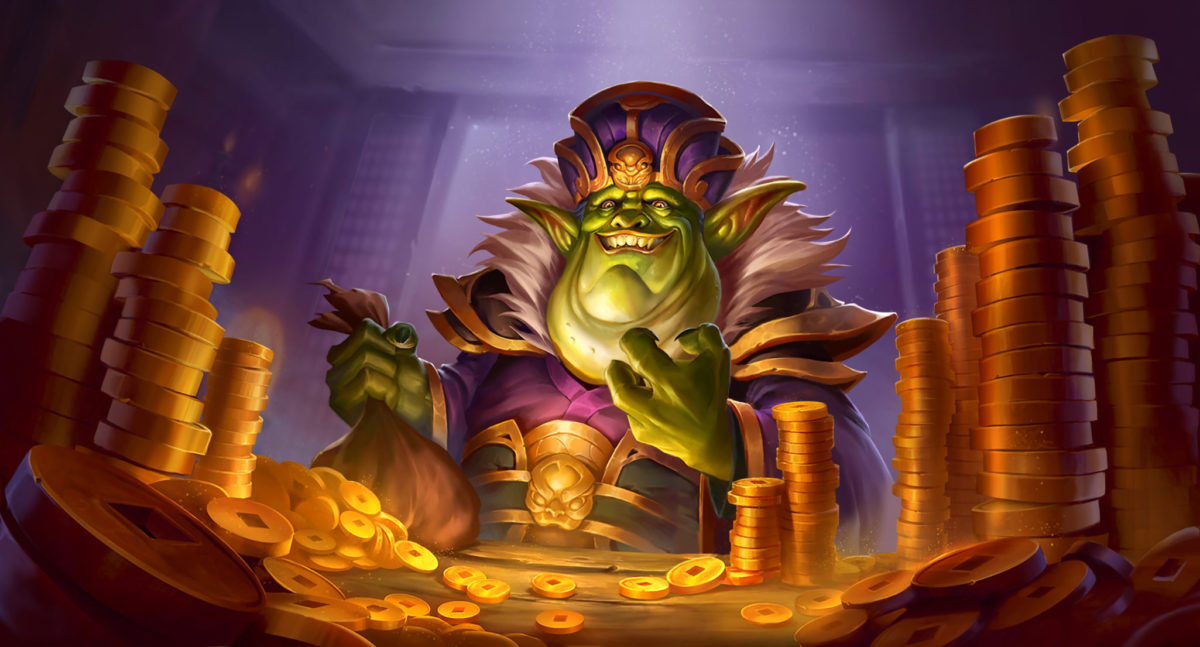
Analysis of the "Permanent Ban" Strategy
From a journalistic perspective, the shift toward permanent bans is a high-stakes move. While it serves as a powerful deterrent, it also places immense pressure on the accuracy of Blizzard’s detection systems. Should the system trigger false positives—an inherent risk in automated detection—the loss of a player’s long-term account could lead to significant backlash and loss of consumer trust.
However, the consensus among the player base has shifted over the last decade. Where there was once a vocal contingent advocating for the freedom to trade as one pleased, the current discourse is dominated by players who view RMT as a "game-breaking" plague. For many, the threat of losing one’s account is a welcome evolution in a game that has struggled to maintain its "social contract" for years.
Looking Toward the Future
As World of Warcraft: Forever approaches, the community is watching closely to see if these promises of aggressive enforcement translate into a noticeable difference in gameplay. The success of this endeavor will be measured by the stability of the auction house and the absence of the "gold-spamming" culture that plagued the game’s earlier iterations.
For Blizzard, the mandate is clear: protect the sanctity of the experience. By raising the stakes for rule-breakers, the studio is betting that a clean, meritocratic economy will ultimately be more valuable to the player base than the short-term convenience offered by illicit services. Whether this aggressive stance will succeed in permanently curbing RMT remains a subject of intense speculation, but for the first time in years, the developer has clearly defined the boundary between acceptable play and grounds for expulsion. The message from the design team is unequivocal: the days of lenient enforcement are over.