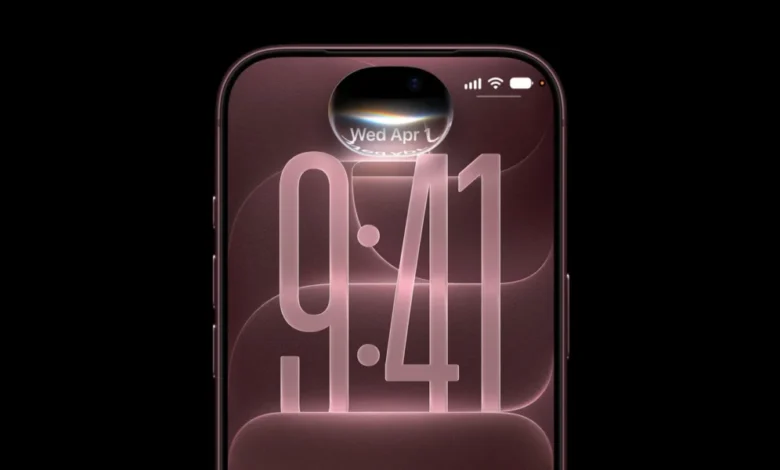
The recent deployment of Apple’s long-anticipated Siri AI, introduced as the cornerstone feature of iOS 27, has encountered significant turbulence during its initial rollout. Marketed as a transformative leap in personal computing, the assistant—now powered by advanced generative models and deep integration with Private Cloud Compute—was intended to mark a new era for the iPhone. However, since its phased release earlier this month, the platform has been met with a wave of user dissatisfaction. While the update promises enhanced onscreen awareness, superior contextual understanding, and richer knowledge retrieval, the current "beta" iteration is proving to be a source of frustration for a substantial segment of Apple’s user base.
The transition from the classic rule-based Siri to the new neural-network-driven architecture represents the most significant architectural change to the assistant since its inception in 2011. Despite years of internal development and the high-profile announcement at the Worldwide Developers Conference (WWDC) earlier this year, the current implementation is struggling with reliability, latency, and regression in fundamental tasks that users previously took for granted.
A Chronology of the Siri AI Deployment
The path to the current version of Siri began in earnest with Apple’s pivot toward generative artificial intelligence. Following months of speculation, Apple officially unveiled the new Siri architecture at WWDC in June, emphasizing that the system would leverage a hybrid approach, utilizing both on-device processing and the proprietary Private Cloud Compute architecture.

Throughout the summer, developers and public beta testers had limited access to specific components of the intelligence suite. However, the full integration within iOS 27 marked the first time the system was exposed to the general public. On the day of the release, Apple initiated a staggered rollout, utilizing a server-side waitlist system to manage the massive influx of requests to its data centers. This approach was intended to prevent the systemic outages that have historically plagued high-profile tech launches. Nevertheless, the reality of the rollout has been characterized by a disjointed user experience, as early adopters encountered bugs that were seemingly absent in the more controlled environments of the beta testing phase.
Categorizing the User Experience Crisis
Evidence gathered from social media platforms, diagnostic forums, and support communities reveals five primary areas where the new Siri fails to meet established expectations. These complaints highlight a disconnect between the marketing promise of a "smarter" assistant and the technical realities of an early-stage large language model (LLM) implementation.
Network Dependency and Connectivity Failures
The most frequent complaint involves the "Something went wrong" error message, which frequently interrupts user requests. While the system is designed to handle tasks via Private Cloud Compute, the reliance on constant connectivity has introduced a point of failure that did not exist with the previous, mostly local, command execution. Users have reported that simple requests often trigger timeout errors, suggesting that Apple’s cloud infrastructure is struggling with the sheer volume of semantic processing required by the new model. The lack of granular error reporting—which forces users to troubleshoot by toggling VPNs or resetting network settings—has led to widespread confusion and perceived unreliability.
Indexing Regressions and Search Failure
Perhaps the most damaging critique concerns the system’s inability to access local data that was previously easily searchable. Users have documented instances where Siri AI fails to locate specific grocery lists in Reminders, denies the existence of alarms, or cannot interact with HomeKit devices that were previously controlled without issue. These indexing errors suggest a conflict between the new semantic search layer and the legacy database structures that still house user data. For power users, the inability to perform basic tasks—such as setting a timer or checking a calendar—has rendered the assistant functionally useless for daily workflows.

Security Protocols and Authentication Hurdles
In a shift from previous iterations, the new Siri requires the iPhone to be unlocked for a much broader range of queries. While Apple has long maintained a strict posture on security, the current implementation of Siri AI often ignores the "Allow Siri When Locked" preference for basic tasks. This creates a significant friction point for users operating in hands-free environments, such as drivers using CarPlay or users with AirPods engaged. By requiring biometric authentication for tasks that were previously permissible while the device was locked, Apple has inadvertently degraded the accessibility of the assistant, forcing users to manually intervene in what should be a seamless, voice-first interaction.
Performance Latency and Apple Watch Limitations
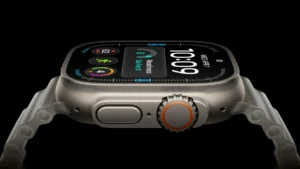
The processing overhead required by modern AI models has introduced noticeable latency. Even on high-end hardware, such as the latest iPhone 18 Pro, the time-to-first-token—the delay between a user’s command and the assistant’s response—is significantly higher than that of the legacy system. This is most pronounced on the Apple Watch, where the hardware constraints of the wearable amplify the time required for cloud-based inference. Owners of the Apple Watch Series 9 and later have noted that simple, time-sensitive commands now take several seconds to process, a regression from the near-instantaneous response times of previous watchOS versions.
Feature Parity and Command Ambiguity
Finally, users have reported a loss of specialized capabilities. The current version of Siri AI does not support queries related to the Health app, a feature that was fully functional in the previous version. Furthermore, the removal of specific ChatGPT-integrated triggers has forced users to change their ingrained habits. The new model’s reliance on probabilistic interpretation rather than strict command-matching means that it occasionally misinterprets phrases that the older, more rigid system handled with perfect accuracy.
Implications and Corporate Context
The backlash surrounding Siri AI serves as a cautionary tale for the integration of generative AI into consumer operating systems. Industry analysts suggest that Apple’s primary challenge is not the intelligence of the model itself, but the transition from a deterministic system—which either succeeds or fails based on clear parameters—to a probabilistic system that can suffer from "hallucinations" or ambiguous interpretation.

From a corporate standpoint, Apple has framed the "beta" label as a necessary buffer, effectively signaling to stakeholders and investors that the software is still in a state of flux. While no official public statement has addressed the specific bugs, industry observers note that the company’s internal teams are likely working on rapid-response firmware updates. The move to shift the rollout to a waitlist suggests that Apple is prioritizing stability over widespread adoption, a strategy that is being tested by the high volume of user complaints.
The Path Forward: Mitigation and Reversion
For users impacted by these issues, Apple has provided a temporary, albeit manual, path toward stability. By navigating to the Screen Time settings, users can downgrade their assistant experience to "Siri Classic." This allows individuals to bypass the experimental features of Siri AI and return to the established, rule-based architecture that, while less "intelligent," offers the reliability that many users require for daily operations.
As of late September, Apple has confirmed that a broader language rollout is scheduled for October. This milestone will likely be accompanied by the first major set of patches aimed at addressing the indexing, connectivity, and latency issues currently dominating the user feedback loop. Whether these updates can reconcile the sophisticated capabilities of the new AI model with the high expectations of the Apple ecosystem remains to be seen. For now, the introduction of Siri AI stands as a reminder that even the most anticipated technological leaps can be hampered by the complexities of deployment and the high bar of consistency expected by a global user base.
The incident also highlights the broader industry tension between the desire to deploy cutting-edge AI and the necessity of maintaining the seamless, "it just works" philosophy that has defined Apple’s brand for decades. As the company continues to refine its Private Cloud Compute infrastructure, the coming months will be critical in determining whether Siri AI becomes a staple of the mobile experience or a cautionary example of premature deployment.