Two Point Studios Bridges Decades of Simulation Gaming History with the Newly Announced Rides and Relics DLC for Two Point Museum

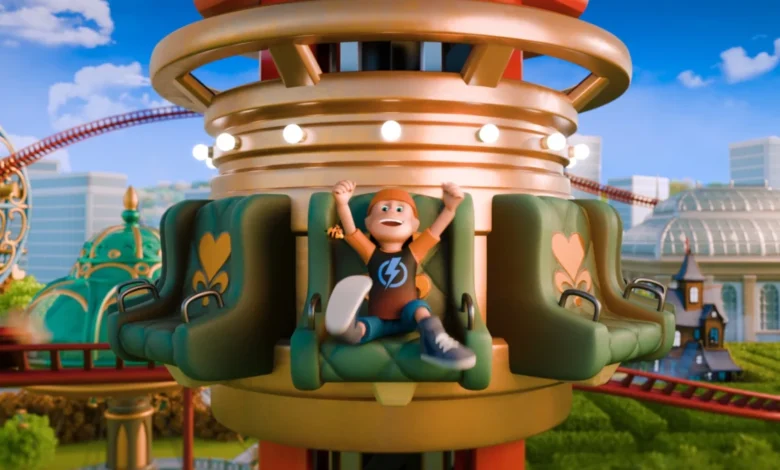
Two Point Studios and publisher Sega have officially announced the upcoming release of "Rides & Relics," the latest downloadable content (DLC) expansion for their critically acclaimed management simulation title, Two Point Museum. Launching on October 8, 2025, for PC, PlayStation 5, and Xbox Series X/S—with a Nintendo Switch 2 version slated to follow shortly after—the expansion bridges a fascinating 30-year legacy by introducing classic funfair and amusement park mechanics to the museum-building formula.
Priced at £9.99, this new content drop represents more than just a routine update; it serves as a nostalgic homecoming for Two Point Studios’ co-founders, Mark Webley and Gary Carr, whose careers in the simulation genre began at the legendary development house Bullfrog Productions with the 1994 classic, Theme Park.
Main Facts and Core Features of Rides & Relics
The "Rides & Relics" expansion broadens the traditional scope of Two Point Museum, moving beyond historical artifacts, fine art, and prehistoric bones to embrace the kinetic thrills of the midways and fairgrounds of yesteryear.
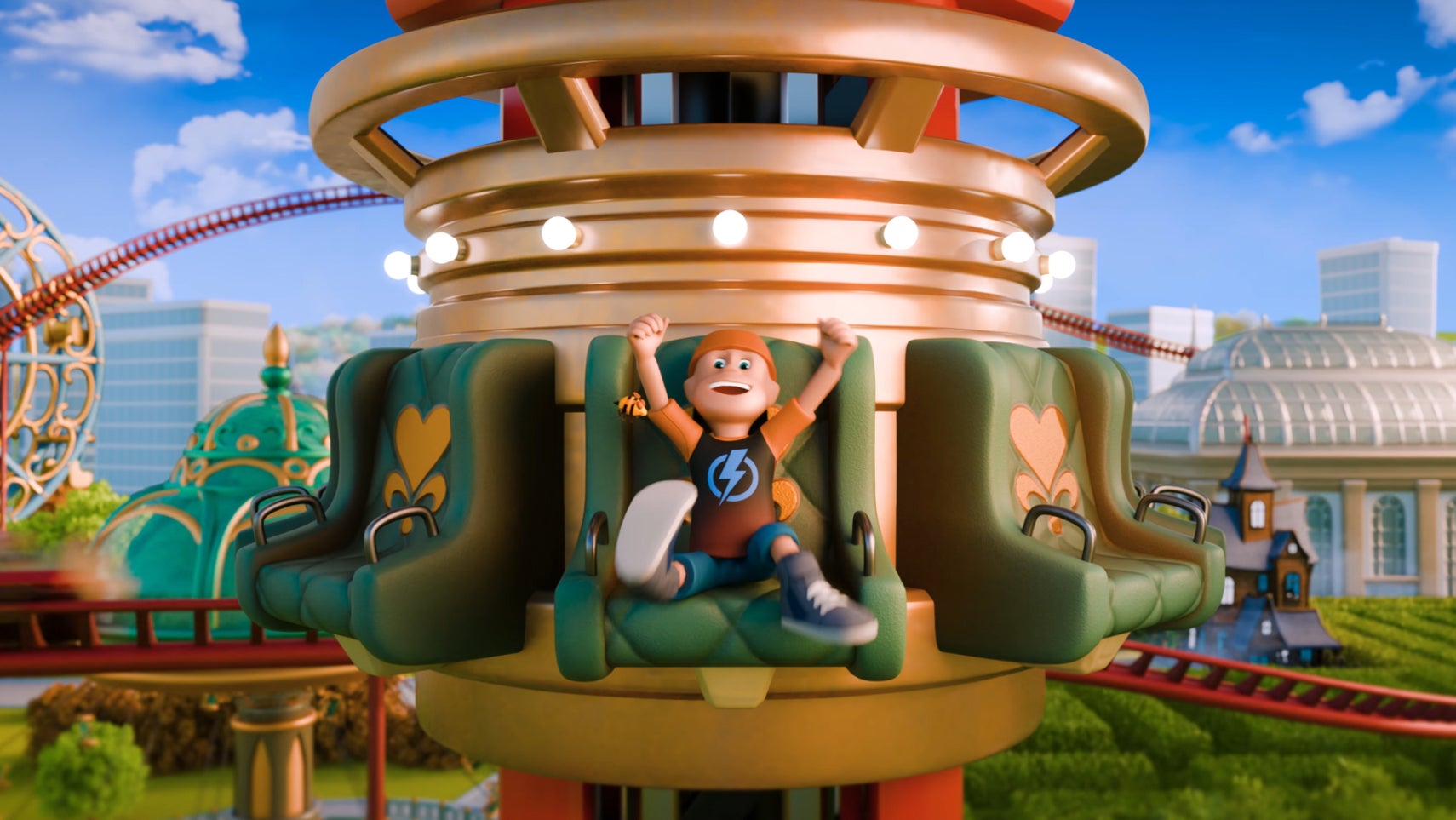
Players who acquire the DLC gain access to a comprehensive suite of tools designed to transform their academic exhibition spaces into hybrid entertainment complexes. By dispatching newly minted "Funfair Experts" to explore the Gearbox Fairground expedition map, players can unearth blueprints and unlockables spanning more than 17 distinct fairground-themed exhibits.
Key gameplay additions include:
- Custom Rollercoaster Construction: For the first time in the Two Point universe, directors can design and build modular miniature rollercoasters. The system allows for granular control over height, track tilt, and camber, supported by five unique thematic design sets.
- Interactive Amusements: Visitors can now interact with classic fairground staples, including pirate ships, haunted houses, traditional Ferris wheels, teacup rides, and novelty attractions such as the whimsical "cheese flume."
- Concession Infrastructure: To sustain visitor satisfaction, players can erect specialized food and beverage stalls, including dedicated popcorn and candyfloss stands.
- New Location and Campaign: The DLC introduces Riquetti Gardens, a pristine new museum plot accompanied by an extensive five-star campaign designed to test spatial management and guest flow optimization.
- Customization and Staff Costumes: Ten unlockable mascot outfits are included to boost guest morale, alongside a suite of themed furniture, benches, bins, ticket desks, and helipad variants.
Chronology and Evolution of Two Point Studios
The trajectory of Two Point Studios reflects a deliberate and measured expansion of its simulation portfolio over the past several years.
- August 2018: Two Point Studios releases Two Point Hospital on PC, published by Sega. Serving as a spiritual successor to Bullfrog Productions’ Theme Hospital (1997), the game receives widespread acclaim for its whimsical British humor and deep management systems.
- March 2022: Building upon the success of its healthcare sim, the studio launches Two Point Campus, shifting the management focus to higher education, curriculum planning, and student welfare.
- Early 2025: Two Point Studios pivots to the museum curation sector with the release of Two Point Museum, introducing dynamic expedition mechanics, artifact preservation, and guest education metrics.
- Mid-2025: The development team rolls out a series of targeted DLC expansions, incorporating diverse thematic elements ranging from prehistoric wildlife and zoo management to tabletop role-playing games.
- October 8, 2025: The scheduled release date for "Rides & Relics," marking the formal integration of amusement park mechanics into the Two Point ecosystem.
Background Context and Industry Lineage
The thematic DNA of "Rides & Relics" runs deep within the history of the video game industry. In 1994, Bullfrog Productions released Theme Park, designed by industry pioneers Peter Molyneux and Mark Webley. The title is widely credited with establishing the amusement park simulation genre, challenging players to balance economic viability, ride maintenance, and guest happiness.

When Mark Webley and Gary Carr co-founded Two Point Studios in 2016, they brought decades of simulation design experience with them. While their initial efforts focused on hospitals and universities, the release of Two Point Museum provided a narrative and mechanical framework to look backward toward their Bullfrog roots. By embedding classic theme park elements into a museum setting, the developers are effectively closing a generational loop, merging the architectural freedom of Theme Park with the intricate staffing and guest-flow mechanics refined across the Two Point franchise.
Supporting Data and Market Performance
Management simulation games have historically enjoyed a dedicated, stable consumer base on personal computers, though recent years have seen successful cross-platform transitions to modern home consoles.
- Two Point Hospital surpassed three million players globally within its first few years on the market, proving that appetite for eccentric British management sims remained strong.
- Franchise expansions in the simulation genre typically see an initial sales surge driven by existing communities, followed by long-tail adoption during digital storefront promotional events.
- The pricing model for "Rides & Relics" (£9.99 / approximately $12.99 USD) aligns with previous Two Point DLC releases, which historically bundle a new map, an extended campaign, and a targeted suite of assets to maximize perceived value for returning players.
Broader Impact and Industry Implications
The introduction of amusement park mechanics via DLC highlights a growing trend among simulation developers: the hybridization of established sub-genres to retain player engagement. Rather than building a standalone sequel to Theme Park, Two Point Studios has opted to fold those foundational mechanics into its existing architectural framework.
This approach minimizes development overhead while offering existing players a compelling reason to return to their save files. Furthermore, the inclusion of a Nintendo Switch 2 release window indicates publisher confidence in upcoming hardware iterations, positioning Two Point Museum as an early cross-gen title capable of scaling across both current-generation platforms and newly emerging hardware ecosystems.

As the simulation genre continues to mature, releases like "Rides & Relics" demonstrate that developer nostalgia, when executed with technical precision and consistent comedic tone, remains a powerful tool for driving community interest and sustaining long-term franchise viability.
Related posts: