Apple’s Adorable Lil’ Finder Guy: A Deep Dive into the MacBook Neo’s Viral Marketing Sensation

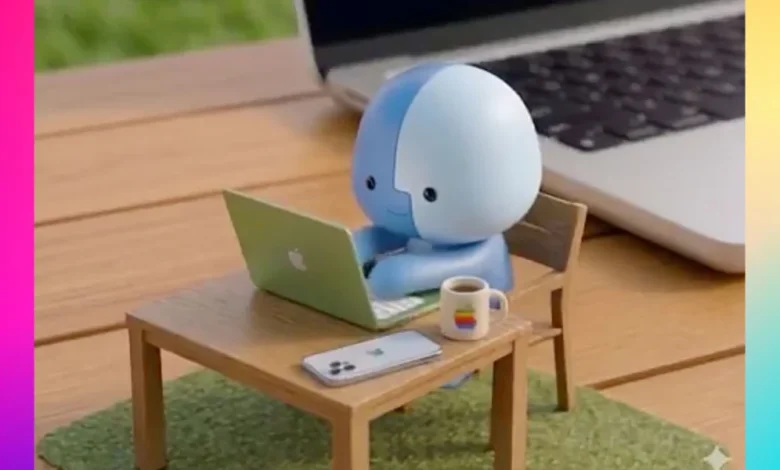
Sofia Coelho, the visionary art director credited with leading the visual design and conceptualization of the now-iconic Lil’ Finder Guy, has recently offered an unprecedented glimpse into the intricate creative process that brought the MacBook Neo campaign’s beloved mascot to life. Her behind-the-scenes revelations shed light on a marketing triumph that transcended traditional advertising, cementing Lil’ Finder Guy as both a commercial success and a cultural phenomenon. This exploration delves into the origins of the character, its strategic deployment, the remarkable public reception, and the broader implications for Apple’s evolving brand identity and marketing paradigm.
The Genesis of an Icon: Behind the Scenes with Sofia Coelho
In a candid post shared on LinkedIn, Sofia Coelho peeled back the curtain on what she described as a “dream design project,” revealing the meticulous efforts behind Lil’ Finder Guy. Her gallery of behind-the-scenes snapshots provided a rare insight into the iterative design process, showcasing early sketches, detailed studies of expressions and proportions, and even what appeared to be an airbrushed physical prototype of the character. This level of transparency from an Apple creative director is unusual and underscores the pride and significance attributed to the project. Coelho’s narrative emphasizes the collaborative spirit that defined the creation, crediting numerous colleagues who contributed to the Cannes Lions-shortlisted campaign. The design ethos was centered on creating an inherently "adorable" figure, one that was instantly recognizable yet imbued with a distinct personality. The specific detail of Lil’ Finder Guy "measuring exactly one apple tall" became a charming, tangible reference point, anchoring the character in Apple’s brand universe while enhancing its endearing quality. This careful calibration of design elements, from the character’s wide, expressive eyes to its simple, approachable form, was crucial in forging an immediate connection with audiences. The meticulous attention to detail, a hallmark of Apple’s product development, was clearly extended to its marketing assets, illustrating a holistic approach to brand communication.
The MacBook Neo Launch: A Strategic Marketing Pivot
The introduction of the MacBook Neo was positioned as a significant advancement in Apple’s portable computing lineup, featuring cutting-edge processors, a redesigned form factor, and enhanced capabilities aimed at a broad spectrum of users, from creative professionals to everyday consumers. In a highly competitive tech market, launching a new flagship product demands a marketing strategy that not only informs but also captivates. Traditionally, Apple’s advertising has leaned towards sleek aesthetics, minimalist design, and an emphasis on product features and user experience, often featuring aspirational lifestyles or artistic endeavors enabled by their devices. The decision to introduce a character mascot like Lil’ Finder Guy represented a notable, albeit calculated, departure from this established pattern.
This strategic pivot can be understood within the broader context of evolving consumer engagement. In an era dominated by digital natives and social media, brands are increasingly seeking to forge emotional connections that resonate beyond product specifications. Apple’s long-standing Finder icon, a smiling face symbolizing accessibility and user-friendliness, has been an integral part of the Macintosh experience for decades. Anthropomorphizing this familiar emblem into Lil’ Finder Guy was a stroke of genius, leveraging existing brand recognition while infusing it with a fresh, contemporary appeal. This move allowed Apple to tap into a more playful, approachable brand persona, potentially broadening its appeal to younger demographics who are more receptive to character-driven narratives and viral content. While not entirely unprecedented in the tech world—Android’s Bugdroid mascot comes to mind—it was a distinctive move for Apple, signaling a willingness to innovate not just in product design but also in its communication strategies. The MacBook Neo campaign, therefore, wasn’t just about launching a new laptop; it was about re-evaluating and refreshing Apple’s marketing playbook for the modern age.

Campaign Rollout and Multi-Platform Dominance
The campaign for the MacBook Neo, featuring Lil’ Finder Guy, was meticulously orchestrated across multiple digital platforms, demonstrating Apple’s adeptness at contemporary omnichannel marketing. The initial grand unveiling of Lil’ Finder Guy occurred during a highly anticipated livestream event dedicated to the MacBook Neo. This digital spectacle, a modern equivalent of a product launch keynote, served as the primary stage for introducing the character to a global audience. The livestream integrated Lil’ Finder Guy into dynamic presentations and demonstrations of the MacBook Neo’s features, showcasing its utility and charm in an engaging format. This immediate, high-visibility debut ensured widespread initial awareness and set the stage for subsequent campaign phases.
Following the livestream, Apple strategically leveraged TikTok, a platform known for its viral potential and immense reach among younger demographics. A series of short, engaging TikTok videos starring Lil’ Finder Guy were released, quickly garnering millions of views and shares. These videos often showcased the character interacting playfully with the MacBook Neo, highlighting its portability, speed, or other features through humorous and relatable scenarios. This approach was a significant evolution for Apple, which historically maintained a more curated and polished presence on social media. By embracing the informal, dynamic nature of TikTok, Apple successfully injected Lil’ Finder Guy into the cultural zeitgeist, transforming the character from a mere marketing asset into a beloved internet personality.
The campaign’s success was not limited to official channels. The character’s endearing design and playful personality made it ripe for organic spread and user-generated content. This multi-platform integration, from high-production livestreams to bite-sized social media content, ensured that Lil’ Finder Guy became an omnipresent figure across the digital landscape, reaching diverse audiences through their preferred media consumption habits. The strategic deployment across these varied platforms created a synergistic effect, amplifying the campaign’s reach and impact far beyond what traditional advertising alone could achieve.
From Marketing Tool to Cultural Phenomenon: The Rise of a Meme
Perhaps the most compelling testament to Lil’ Finder Guy’s success was its rapid transformation into an internet meme. The character’s adorable aesthetics and the campaign’s clever execution resonated deeply with online communities, sparking an explosion of user-generated content (UGC). Within weeks of its debut, social media platforms were inundated with fan-made artwork, custom wallpapers, and even 3D-printable models of Lil’ Finder Guy. This organic proliferation demonstrated a level of engagement that few marketing campaigns ever achieve, turning passive viewers into active creators and brand advocates. The memeification extended beyond mere replication, with users incorporating Lil’ Finder Guy into various humorous contexts, often juxtaposing the character with relatable everyday situations or other popular internet memes. This spontaneous co-creation not only amplified the character’s visibility exponentially but also fostered a sense of community around the MacBook Neo and Apple’s brand.
Apple, known for its tightly controlled brand image, demonstrated a surprising and astute embrace of this organic viral spread. Rather than attempting to control or curb the user-generated content, the company appeared to tacitly encourage it, understanding that genuine community engagement is an invaluable form of marketing. This approach allowed the campaign to evolve beyond a simple product launch, cementing Lil’ Finder Guy’s status as a cultural icon in its own right. The character’s ability to transcend its commercial origins and embed itself within internet culture is a powerful indicator of its design effectiveness and the campaign’s strategic brilliance. This widespread adoption showcased how a well-conceived character, coupled with a platform-appropriate distribution strategy, can achieve a level of virality that traditional advertising often struggles to replicate.

Industry Recognition and Internal Integration
The widespread acclaim for the Lil’ Finder Guy campaign was not confined to consumer sentiment; it also garnered significant industry recognition. The campaign’s shortlisting for the prestigious Cannes Lions International Festival of Creativity is a testament to its innovative approach and creative excellence. Cannes Lions represents the global benchmark for creative marketing and communications, and being shortlisted signifies that the campaign stood out among thousands of entries for its originality, execution, and effectiveness. This accolade not only validated Sofia Coelho’s leadership and her team’s efforts but also underscored Apple’s continued prowess in shaping global advertising trends. Such recognition from peers and industry experts lends considerable credibility to Apple’s evolving marketing strategies and highlights the impact of its character-driven approach.
Beyond external accolades, Lil’ Finder Guy’s success led to its integration into Apple’s internal events and merchandise, further solidifying its status within the company’s brand ecosystem. A notable appearance occurred during WWDC 2026, Apple’s annual Worldwide Developers Conference. The character was featured in an easter egg-style cameo within at least one session, delighting attendees and reinforcing its playful presence. More tangibly, Lil’ Finder Guy was immortalized on an enamel pin, a coveted item included in attendees’ swag bags. This transition from a campaign mascot to official WWDC merchandise signals a deeper acceptance and embrace of the character within Apple’s corporate identity. It demonstrates that the character resonated not just with external audiences but also internally, becoming a beloved symbol that developers and employees could proudly display. This internal integration suggests that Lil’ Finder Guy is more than a fleeting marketing gimmick; it has become a semi-official emblem, potentially paving the way for similar character-based initiatives in future Apple campaigns and product launches.
Analysis: The Strategic Brilliance of "Adorable" Marketing
The success of Lil’ Finder Guy for the MacBook Neo campaign offers a compelling case study in the strategic brilliance of "adorable" marketing within the highly competitive tech industry. In a market saturated with sleek, often austere designs and complex technological specifications, an endearing character provides a vital emotional anchor. Cuteness, psychological studies suggest, triggers an innate nurturing response, fostering feelings of warmth, trust, and approachability. For Apple, a brand often perceived as premium and exclusive, Lil’ Finder Guy served to humanize the technology, making the MacBook Neo feel more accessible and friendly. This emotional connection can be a powerful differentiator, fostering brand loyalty that extends beyond mere product features.
The campaign effectively broke through the pervasive digital noise by offering something genuinely delightful and shareable. While product-centric ads can inform, character-driven narratives can inspire connection and virality. Lil’ Finder Guy became a conversation starter, a relatable entity that users could project their own experiences onto. This strategy allowed Apple to communicate the MacBook Neo’s benefits indirectly, through the character’s adventures and interactions, rather than through overt sales pitches.
Measuring the success of such a campaign goes beyond immediate sales figures for the MacBook Neo, although those are undoubtedly a key metric. The deeper impact lies in enhanced brand perception, increased brand affinity, and the generation of significant earned media through user-generated content and viral spread. The organic reach achieved through memeification represents an unparalleled return on investment in terms of brand visibility and engagement. Furthermore, the campaign demonstrated Apple’s flexibility and willingness to adapt its marketing playbook to contemporary cultural currents, showcasing an understanding of modern consumer behavior that few tech giants truly master. The balance struck between communicating cutting-edge innovation and cultivating a relatable brand personality through an adorable mascot highlights a sophisticated marketing acumen that is likely to influence future campaigns across the industry.

The Future of Apple’s Brand Identity and Marketing
The resounding success of Lil’ Finder Guy raises pertinent questions about the future trajectory of Apple’s brand identity and marketing strategies. Will this playful, character-driven approach become a more permanent fixture in Apple’s campaigns, or was it a specific, tactical deployment for the MacBook Neo? Industry analysts and marketing experts are keenly observing whether Apple will continue to anthropomorphize other iconic elements of its user interface or software, potentially introducing a universe of charming characters to represent various Apple services or devices. Such a move could fundamentally alter Apple’s long-standing minimalist aesthetic in advertising, ushering in an era of more narrative-driven and emotionally resonant campaigns.
The implications extend beyond Apple itself, potentially influencing competitor strategies. If character-driven marketing proves to consistently yield high engagement and brand affinity, other tech companies might follow suit, leading to a broader trend of more playful and humanized branding across the industry. This shift underscores the growing importance of creative direction and the role of visionary leaders like Sofia Coelho in shaping the public face of global technology giants. As digital landscapes evolve, the ability to create resonant, shareable content becomes paramount, and mascots like Lil’ Finder Guy demonstrate a potent formula for achieving this.
Ultimately, the Lil’ Finder Guy campaign for the MacBook Neo stands as a pivotal moment in Apple’s marketing history. It successfully blended innovative product promotion with cultural relevance, leveraging the power of character design and digital virality to create a campaign that was both commercially effective and universally beloved. The meticulous creative process, the strategic multi-platform rollout, and the subsequent transformation into a cultural phenomenon underscore the enduring power of thoughtful design and emotional connection in modern brand building. Lil’ Finder Guy is not just an adorable mascot; it is a testament to Apple’s evolving ingenuity in communicating its brand narrative in an increasingly dynamic and digitally interconnected world.