Nintendo Unintentionally Casts the Same Actor Twice, 28 Years Apart, for Iconic Role in The Legend of Zelda: Ocarina of Time Remake

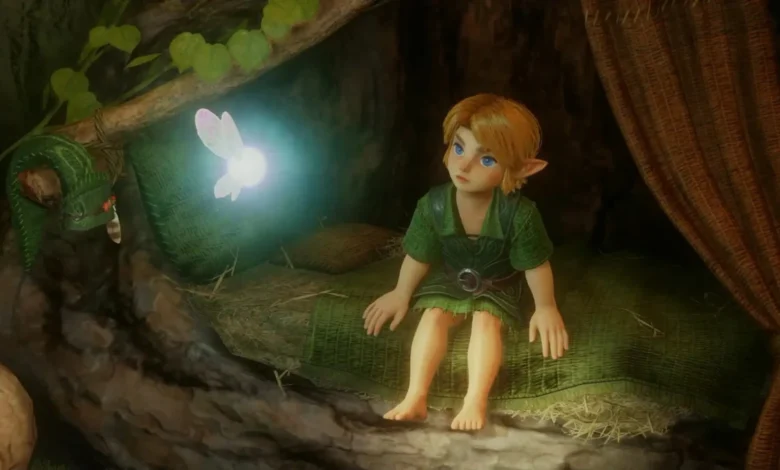
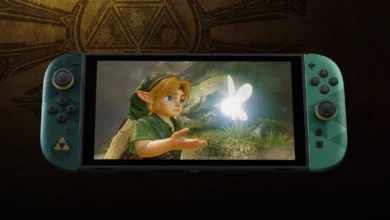
The intersection of video game nostalgia and modern development has yielded a remarkable coincidence for one of the industry’s most revered titles. In the development of the newly released remake of The Legend of Zelda: Ocarina of Time—tailored for Nintendo’s successor console, widely referenced as the Switch 2—the studio inadvertently cast the exact same performer who originally voiced a central character nearly three decades ago. Through a meticulous blind audition process aimed at preserving the authentic audio identity of the Nintendo 64 classic, producers selected an actor whose voice matched the historical recordings so precisely that they replicated their own work from 28 years prior, bridging a generation-spanning gap in gaming history.
The revelation came to light following the publication of Nintendo’s latest "Ask the Developer" interview series, alongside early leaks of the game’s official credits. While developers initially kept the identity under wraps during promotional rollouts, the industry and fan communities have quickly pieced together the details of a casting choice that underscores both the durability of classic character design and the challenges of modernizing timeless source material.
Bridging the Generation Gap: From Nintendo 64 to Modern Hardware
When The Legend of Zelda: Ocarina of Time first launched in November 1998 on the Nintendo 64, it revolutionized three-dimensional action-adventure gaming. Created under the visionary guidance of veteran game designer Shigeru Miyamoto and directed by Eiji Aonuma, the title achieved critical acclaim and commercial success, selling over 7.6 million copies worldwide. Beyond its innovative Z-targeting combat system and sprawling open-world design, the game became culturally embedded in gaming lore through its atmospheric sound design.
In the original release, hardware limitations meant that characters did not speak full dialogue. Instead, narrative interactions relied on text boxes accompanied by a collection of compressed grunts, murmurs, and iconic audio cues. Among the most recognizable soundscapes in gaming history are the vocalizations of Navi, the young fairy companion who guides the protagonist, Link, throughout his journey across Hyrule. Navi’s insistent prompts—specifically "Hey!" and "Listen!"—became permanent fixtures of pop culture, recognizable even to individuals who have never played a video game.
Nearly three decades later, Nintendo approached the monumental task of rebuilding the classic adventure from the ground up for its next-generation platform. Spearheaded by director HokWai Ng, the development team determined that the massive graphical leap necessitated a parallel evolution in audio presentation. Unlike the original release, the modern remake features fully realized voice acting across all cutscenes, replacing the historical grunts and murmurs with dynamic performances designed to elevate the dramatic weight of the narrative.
The Blind Audition Process and the Accidental Casting
Despite the introduction of full voice acting, the creative team faced a strict design mandate: they could not alter the established perceptions of how core characters sounded. Modernizing the game risked alienating millions of longtime fans if iconic vocal signatures were rewritten or reinterpreted too drastically.
To navigate this challenge, Nintendo instituted a rigorous blind audition process. In these auditions, casting directors evaluated talent purely on vocal performance, listening for tone, pitch, and emotional resonance that could accurately mirror the original Nintendo 64 audio assets. The goal was absolute fidelity to the nostalgic memory of the player base, ensuring that modern interpretations felt entirely authentic to the 1998 release.
According to series director Eiji Aonuma, the selection process was conducted without bias or knowledge of the actors’ prior professional histories. Voice talent from across the industry submitted samples for evaluation. When the final selections were tallied, the production team made a startling discovery: one of the chosen actors had previously provided the voice for the exact same character in the original 1998 Nintendo 64 version.
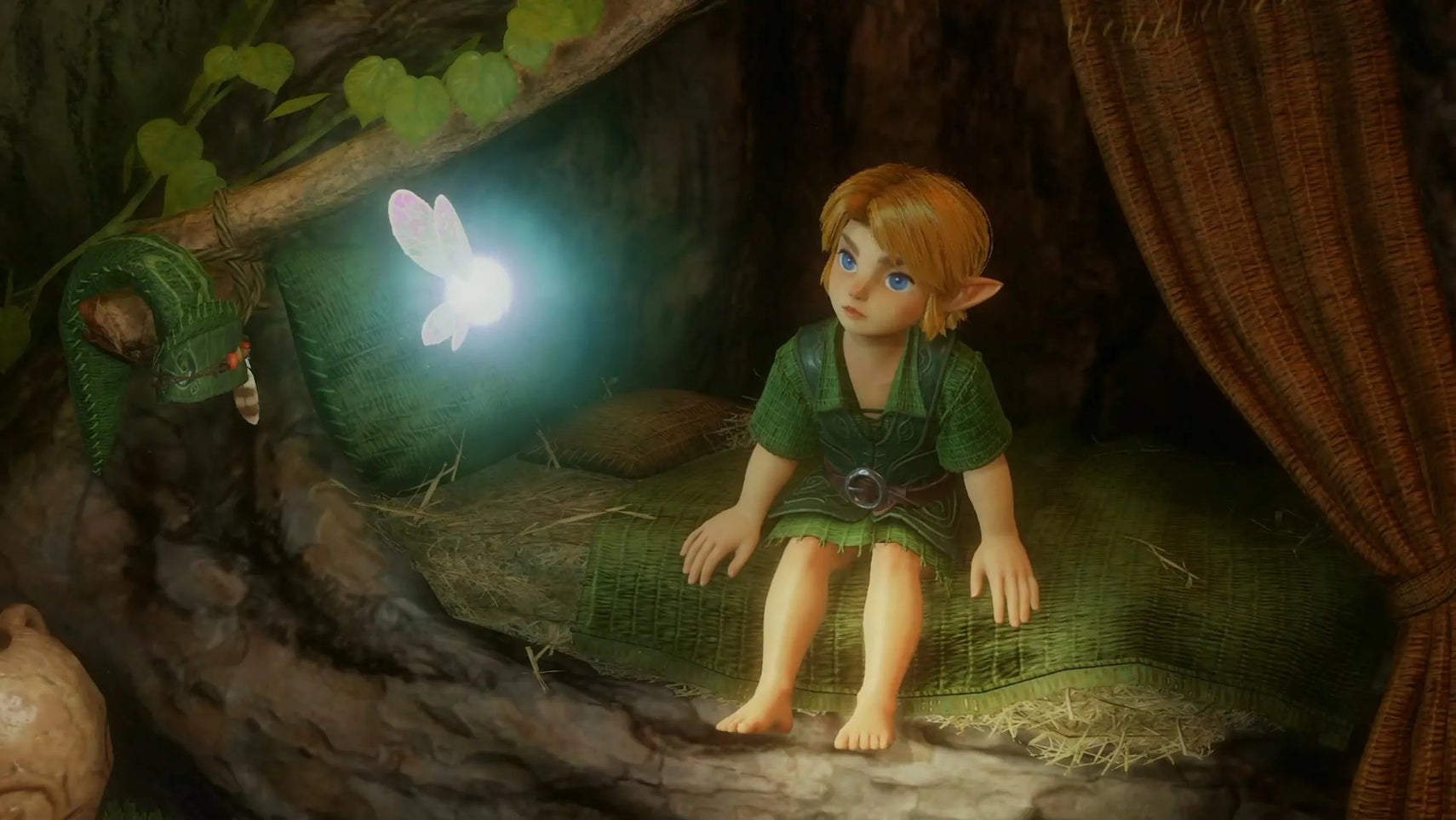
"We felt that if we were going to improve the graphics so dramatically, the cutscenes needed to be fully voiced to match," HokWai Ng explained in the "Ask the Developer" feature. "But at the same time, we knew we shouldn’t mess with established perceptions of how certain characters sound based on the original. Navi’s ‘Listen!’ is one example. Even someone who’s never played The Legend of Zelda: Ocarina of Time may have heard it before. We absolutely didn’t want to change anything as iconic as that."
Aonuma added context regarding the serendipitous
nature of the outcome. "We wanted to choose actors based solely on which voices most closely resembled those of the original," Aonuma recalled. "And, who woulda guessed? As fate would have it, one of the actors we selected had actually voiced the same character in the Nintendo 64 version. None of us saw that coming."
Confirmation and Fan Speculation
While Nintendo executives initially refrained from naming the specific actor during the initial developer interview sessions, data miners and early industry insiders quickly analyzed leaked rollout builds and credit sequences. Evidence pointed directly to Japanese voice actress Kaori Mizuhashi, who had originally provided the vocal effects for Navi in the Japanese release of the 1998 title.
The inclusion of Mizuhashi nearly three decades later provides a rare continuity bridge between the foundational era of 3D gaming and the cutting-edge standards of contemporary hardware. Industry analysts note that maintaining original voice talent for decades-old roles is exceedingly rare in the entertainment industry, particularly in interactive media where technological evolution often dictates complete creative reboots.
Critical Reception and Broader Implications for Remakes
The Ocarina of Time remake has already begun receiving widespread critical praise following its initial rollout and media reviews. Critics have lauded the project not merely as a graphical remaster, but as a thoughtful modernization that respects the architectural genius of the original level design while integrating contemporary quality-of-life enhancements. Reviewers have highlighted the emotional resonance of the fully voiced cutscenes, noting that the inclusion of authentic vocal performances successfully bridges the gap between classic design tropes and modern narrative pacing.
This development highlights a broader trend within the video game industry regarding the curation of legacy intellectual property. As publishers increasingly turn to remakes and remasters to satisfy both nostalgic older demographics and new generations of players, the management of audio heritage has become a paramount concern. Studios face a delicate balance between innovating for contemporary audiences and preserving the historical integrity that made the original properties culturally significant in the first place.
Nintendo’s inadvertent reunion with its original voice talent serves as a unique validation of this philosophy. By relying on blind auditions to select the best possible vocal match, the studio accidentally proved that the original artistic choices made in 1998 were uniquely tailored to the characters they brought to life. As the remake continues to roll out globally, this accidental casting stands as a testament to the enduring craftsmanship of the original development team and the unexpected ways in which gaming history can come full circle.