‘A severe operational failure that places the physical safety of undercover personnel at direct risk’:…

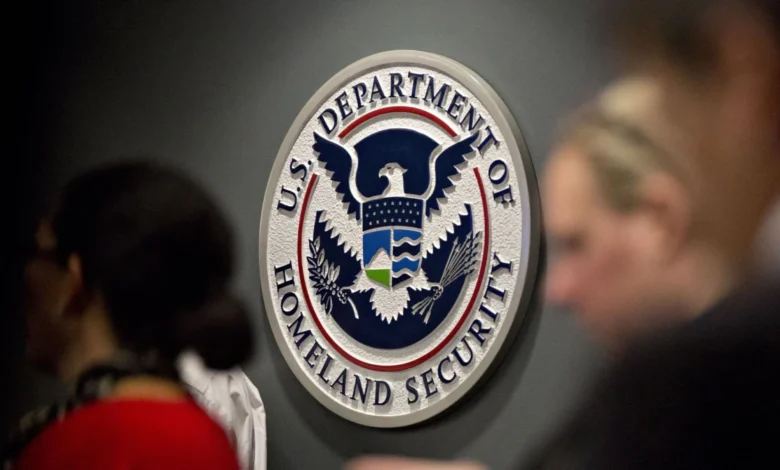
The scope of the compromise is extensive, affecting a wide cross-section of the Department of Homeland Security (DHS), with a particular concentration of impact on the Immigration and Customs Enforcement (ICE) and Customs and Border Protection (CBP) agencies. For federal officials, the primary concern is not merely the theft of administrative data, but the exposure of personnel involved in highly sensitive and clandestine operations. The leaked records include names, official job titles, direct email addresses, and contact telephone numbers. More critically, the database reportedly contains identifiers linked to agents currently engaged in surveillance operations, undercover assignments, and tactical intelligence gathering—activities where anonymity is a fundamental component of operational security and personal safety.
Chronology and Tactical Execution
The incident, while recently surfacing, is the culmination of a broader trend of targeted attacks against United States government infrastructure. According to the actors behind the breach, the unauthorized access was achieved through the exploitation of an Identity and Access Management (IAM) platform, specifically citing the use of compromised credentials associated with Okta. By utilizing legitimate, albeit stolen, login information, the attackers were able to bypass standard perimeter security measures, effectively masquerading as authorized personnel to gain entry into the internal directory systems.
This methodology highlights a common vulnerability in modern enterprise architecture: the reliance on single sign-on (SSO) systems. When an attacker successfully harvests credentials for an IAM portal, they effectively hold the "keys to the kingdom." In this instance, a single point of failure within the authentication chain appears to have granted the threat actors broad, lateral access to internal personnel directories. While Okta has issued a statement confirming they are aware of the reports and maintaining that their core systems remain secure without evidence of a broader platform compromise, the incident underscores the persistent risk posed by credential-based attacks.
Official Responses and Internal Mitigation
In the immediate aftermath of the data exposure, the Department of Homeland Security issued a brief, measured statement. A departmental spokesperson acknowledged the situation, stating that the DHS is currently aware of a potential breach and is actively engaged in a comprehensive effort to address the situation with the necessary urgency. The department has committed to providing further updates as their internal investigation progresses and has emphasized that the protection of its personnel remains the highest priority.
Internal security teams at the DHS are currently conducting a forensic analysis to determine the exact extent of the unauthorized access and to identify the specific systems that were queried during the exfiltration process. The objective is to identify and purge any persistent access points the attackers may have established, as well as to conduct a full audit of user permissions. Furthermore, the agency is expected to initiate a mandatory credential rotation and security awareness program for all staff to mitigate the risk of follow-on phishing campaigns or secondary access attempts.
Cybersecurity Industry Analysis
The cybersecurity community has been swift to condemn the breach, labeling it a catastrophic failure of operational security. Dray Agha, senior manager for tactical response at the cybersecurity firm Huntress, noted that the severity of this incident cannot be overstated. "Exfiltrating this directory data gives hostile actors a complete map of sensitive departments and their internal reporting structures," Agha explained. The risk here is two-fold: immediate threats to the physical safety of undercover personnel and long-term intelligence gathering by foreign adversaries who may leverage this organizational map to conduct more sophisticated social engineering or espionage operations.
Graeme Stewart, head of public sector at Check Point, pointed to the fundamental shift in the threat landscape. "This is a stark reminder that identity is now the front door for attackers," Stewart stated. "If the reports are accurate and the attackers gained access by abusing a single sign-on system, then one compromised login was enough to reach the personnel records of tens of thousands of people."
The industry consensus is that the nature of the data is far more damaging than the volume. While 40,000 records represent a significant data loss event, the inclusion of job titles linked to specific surveillance and undercover roles transforms a data breach into a life-safety issue. Threat actors, ranging from criminal cartels to state-sponsored intelligence agencies, can now cross-reference these identities with known operations, effectively "burning" the assets and potentially compromising years of investigative work.
Broader Implications for Federal Security
This incident follows a troubling pattern of high-profile breaches targeting U.S. federal agencies. In September, the Federal Bureau of Investigation (FBI) was the subject of a similar attack, for which the threat group ShinyHunters claimed responsibility. In that instance, the stolen information included not only names and badge numbers but also residential addresses and details regarding ongoing investigations into foreign intelligence and organized crime.
The convergence of these events suggests that federal agencies are currently facing a concerted campaign aimed at undermining the privacy and security of law enforcement personnel. The implications are far-reaching:
- Erosion of Trust: Constant exposure of sensitive personnel data can lead to a breakdown in morale and a reluctance among agents to participate in high-risk operations.
- Resource Drain: Each breach requires a massive redirection of resources toward forensic investigation, legal notification, and the implementation of protective measures for exposed employees, diverting funds from the agency’s primary mission.
- Intelligence Compromise: When the identities of intelligence officers and undercover agents are exposed, the government loses its "eyes and ears" in the field. Rebuilding these networks takes years, and the loss of human intelligence (HUMINT) capabilities is often irreversible.
- Follow-on Attacks: The data currently available on the dark web and through transparency collectives serves as a treasure trove for threat actors looking to conduct phishing, impersonation, or extortion attempts against government workers for months or even years after the initial breach.
The Role of Identity Management in Future Security
The recurring nature of these credential-based breaches has forced a conversation about the necessity of more robust authentication protocols. Security experts are increasingly advocating for the universal implementation of phishing-resistant Multi-Factor Authentication (MFA), such as hardware-based security keys. Standard push-based or SMS-based MFA has proven susceptible to sophisticated social engineering and adversary-in-the-middle attacks, which are frequently used to bypass initial login barriers.
Furthermore, the "zero-trust" model—a security framework that operates on the principle of "never trust, always verify"—is becoming a mandatory standard for federal agencies. Under this model, even with valid credentials, an identity must be continuously authenticated and its access rights limited to the absolute minimum necessary for the specific task at hand. By compartmentalizing data access, agencies hope to ensure that a single compromised credential does not result in a total organizational directory leak.
Conclusion
As the DHS continues its investigation into the Icepick database leak, the incident stands as a definitive case study in the vulnerabilities of modern digital government. The breach serves as a stark reminder that as federal agencies integrate more sophisticated digital tools to handle the complexities of modern border and internal security, they also expand their attack surface. The transition from physical paper files to digitized, cloud-accessible directories has significantly increased operational efficiency, but it has simultaneously introduced risks that, if not managed with absolute rigor, can result in profound consequences for the safety of those on the front lines. The coming months will likely see increased congressional oversight and a renewed push for stringent cybersecurity standards across all federal law enforcement departments to ensure that the "front door" of identity remains firmly shut to those who wish to do the nation’s personnel harm.
Related posts: