Apple HomeView Launch Hit by Inventory and Software Hurdles as Long-Delayed Smart Display Ships with Outdated Operating System

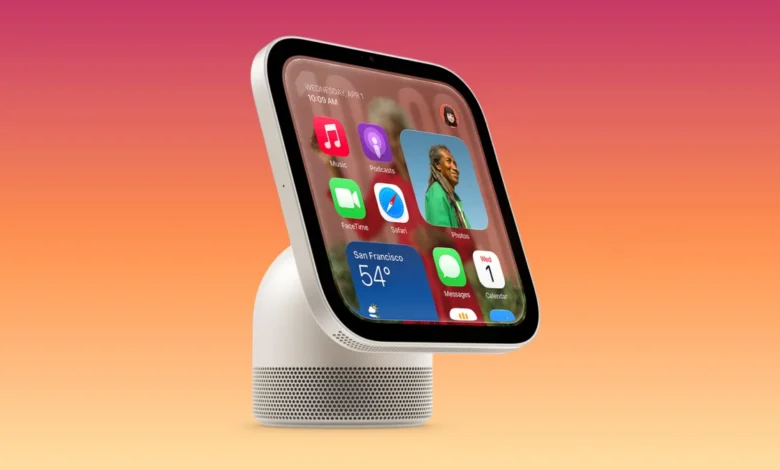
Apple’s highly anticipated entry into the dedicated smart home display market, the HomeView, is facing fresh scrutiny following revelations that the hardware will ship with a software version that is roughly six months old. The device, which officially lands on store shelves and doorstep deliveries on Friday, November 13, represents one of Apple’s most strategic and heavily delayed product category expansions in recent years. According to firmware tracking data from AppleDB, early retail units of the HomeView will run HomeView software version 26.5—an operating system build finalized months prior to the device’s actual market release.
As a result, consumers who purchase and set up the device upon its launch will immediately be greeted by a prompt requiring a mandatory system update to HomeView software version 27.2. While day-one software updates have become a standard operating procedure across the consumer electronics industry, the considerable gap between version 26.5 and version 27.2 highlights the protracted manufacturing and distribution timelines that plagued the product’s journey to market. This software discrepancy serves as yet another concrete indicator of the production bottlenecks and developmental turbulence that delayed the HomeView’s commercial debut far beyond its original internal roadmap.
A Long and Bumpy Road to the Living Room
The path to the HomeView’s November release has been fraught with speculation, rumored cancellations, and strategic pivots. For years, supply chain analysts and industry insiders had tracked Apple’s efforts to build a centralized home command center. The overarching goal was to bridge the gap between fragmented smart home accessories, Apple TV hardware, and Siri-powered ambient computing. Initial whispers of a dedicated Apple home operating system initially circulated under the moniker homeOS, leading many analysts to believe Apple would carve out a brand-new software ecosystem separate from iOS, iPadOS, and tvOS.
However, as development continued, Apple ultimately chose a more streamlined nomenclature. Eschewing the homeOS title, the company opted for straightforward software branding—referring to the operating system simply as HomeView software, echoing how Apple officially classifies the software running on the HomePod lineup.
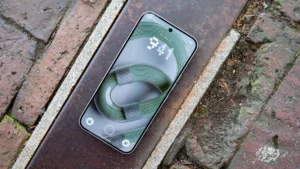
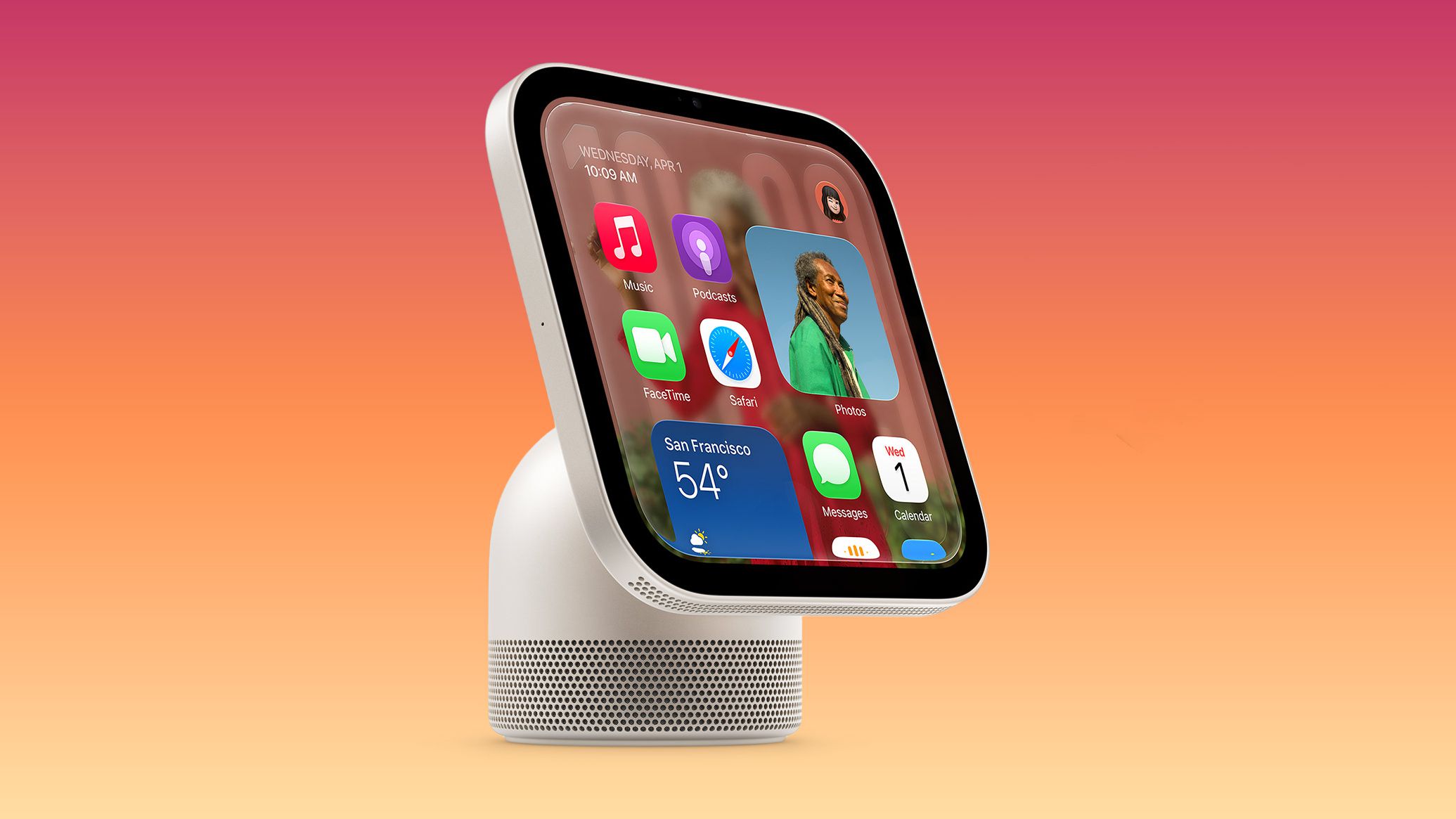
The hardware itself is designed to anchor the modern connected household. The HomeView features a compact yet vibrant 7-inch Liquid Retina display, serving as a touch-enabled command center for HomeKit-compatible accessories, media playback, and interpersonal communication. During its official announcement in mid-October 2026, Apple highlighted the device’s advanced biometric and contextual awareness features. Greg Joswiak, Apple’s senior vice president of Worldwide Marketing, emphasized the hardware’s versatility during the unveiling. Joswiak noted that the Apple HomeView was meticulously designed to be shared by everyone in the household while simultaneously maintaining a completely personalized experience for individual users. Through integrated facial recognition capabilities, the display can dynamically shift from a general household dashboard—displaying family calendars, weather, and shared controls—to a tailored personal interface optimized for the specific user standing in front of it.
The Lead-Up: Leaks and Last-Minute Reveals
The formal announcement of the HomeView did not occur in a vacuum; it was preceded by a flurry of high-profile leaks that set expectations across the tech industry. Just days before Apple’s dedicated "Welcome home" media experience in New York City, industry reports—notably from Bloomberg’s Mark Gurman—detailed an extensive lineup of impending smart home and entertainment hardware. This cascade of leaks accurately forecasted the convergence of three distinct product categories: a newly refreshed Apple TV 4K, a long-awaited second-generation HomePod mini, and the crown jewel of the refresh, the display-equipped home hub carrying the HomeView designation.
MacRumors played a pivotal role in uncovering the branding ahead of time, having traced a secretive shell company trademark filing that pointed directly to the "HomeView" moniker. This investigative journalism confirmed that Apple was preparing a distinct product identity rather than treating the device merely as an oversized iPad or an extension of the HomePod line.
Despite the excitement surrounding these autumn announcements, the shadow of past delays loomed large. Industry analysts point out that a smart display of this nature was originally targeted for release much earlier in the product cycle. Engineering challenges, particularly surrounding the integration of on-device machine learning for facial recognition, ambient voice processing, and deep HomeKit automation responsiveness, pushed the hardware timeline backward. This context explains why firmware builds from several months prior remain embedded in the initial manufacturing batches currently sitting in warehouses awaiting the Friday release date.
Firmware Realities and the Day-One Update Experience
The discovery regarding HomeView software version 26.5 comes via deep-dive analysis of Apple’s firmware distribution networks. When hardware is manufactured at massive scale in overseas factories weeks or months in advance of a global launch, the factories must flash a stable, certified operating system build onto the logic boards before packaging the units into retail boxes.
Version 26.5 represents that factory-stable milestone, certified long before final performance optimizations, security patches, and user interface refinements were completed for version 27.2. Consequently, when early adopters unbox their HomeView units on November 13, the initial setup assistant will immediately detect the network connection and prompt users to download and install the newer software package.
While common for complex IoT (Internet of Things) devices, a mandatory day-one update of this scale can occasionally strain servers or create minor friction for non-technical consumers eager to begin using their newly purchased hardware. Furthermore, it underscores the logistical realities of modern hardware supply chains, where software development cycles routinely outpace physical manufacturing and global shipping logistics.
Market Implications and Competitive Landscape
The launch of the HomeView places Apple in direct competition with entrenched ecosystem players such as Amazon with its Echo Show lineup and Google with its Nest Hub devices. For years, Apple enthusiasts relied on wall-mounted iPads running guided access or standard HomePods to manage their automated residences. The introduction of a purpose-built, privacy-focused smart home hub with an integrated Liquid Retina display fills a glaring gap in Apple’s hardware ecosystem.
However, entering a mature market means Apple must convince consumers that a premium-priced smart display offers tangible advantages over lower-cost alternatives. Features like facial recognition-driven user switching and deep, secure integration with Apple’s ecosystem—including HomeKit secure video, Intercom messaging, and seamless handoff from iPhones—will be critical selling points.
The fact that the device ships with older firmware and requires an immediate update is unlikely to deter hardcore Apple loyalists, but it serves as a reminder of the complex engineering hurdles the company overcame to bring the product to fruition. As the HomeView finally lands in consumer hands, early reviews and user adoption rates will determine whether Apple’s delayed gamble on the smart home display category pays off. With the November 13 release date fast approaching, all eyes will be on how the hardware performs in real-world residential environments and whether version 27.2 delivers the polished, seamless experience that Apple users expect from day one.