Google Health 5.11 update brings significant tracking enhancements to Fitbit and Pixel Watch devices

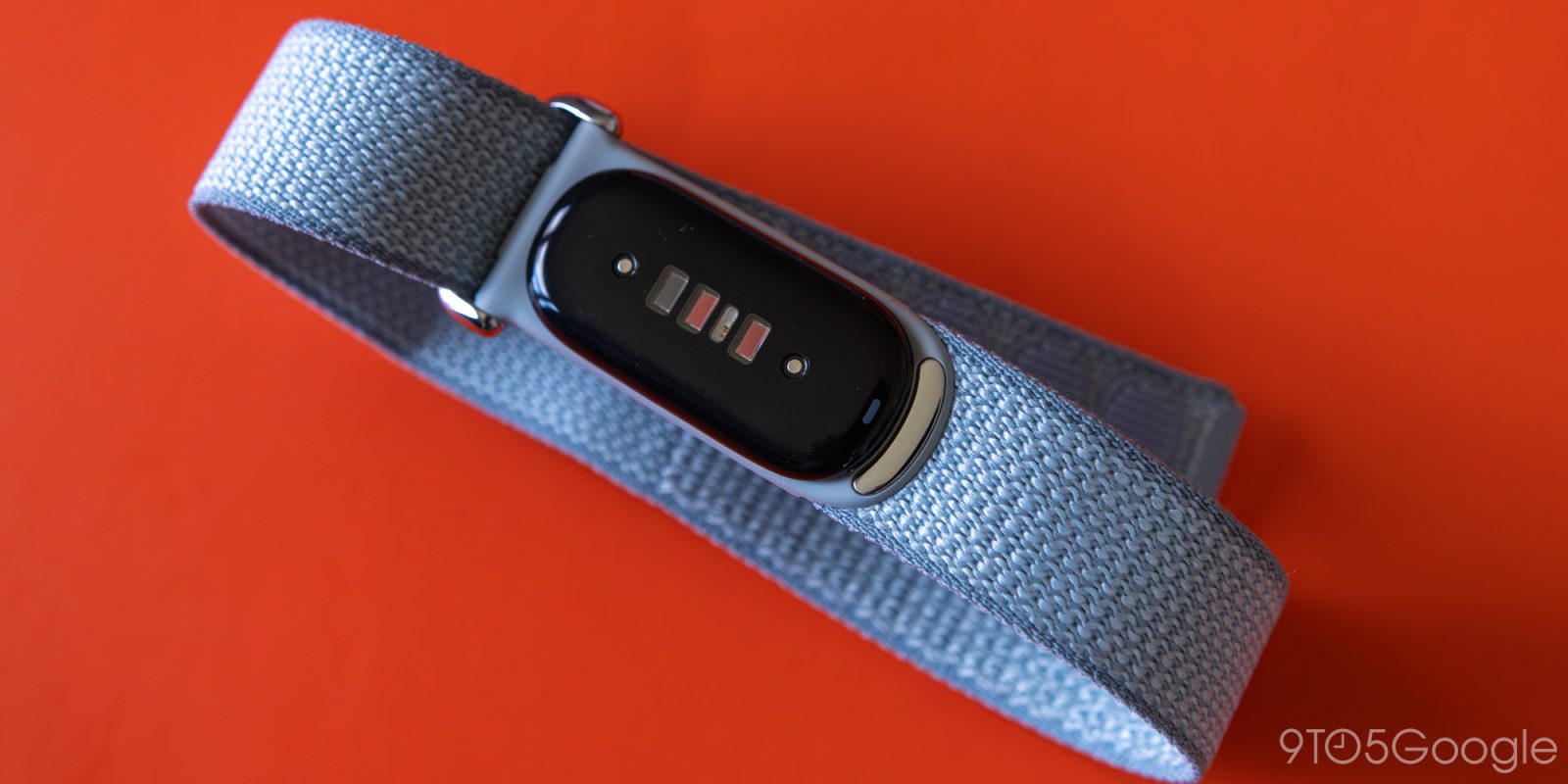
Google Health 5.11 is rolling out this week as a rather big update for Fitbit trackers and the Pixel Watch. This milestone release represents a significant shift in how Google integrates its advanced health monitoring algorithms with its growing hardware ecosystem, spanning the Fitbit Air, the current Pixel Watch series, and the upcoming Fitbit Edge. By refining how data is captured, analyzed, and presented to users, Google is positioning its health platform as a more comprehensive tool for chronic condition management rather than a simple fitness tracker.
The Scope of the Version 5.11 Deployment
The rollout, which began in late October 2026, is currently reaching users across both iOS and Android platforms. For the vast majority of the user base, this update is categorized as a critical infrastructure upgrade. It enables more sophisticated data processing for activity detection and introduces long-awaited diagnostic trends for subscribers of the Google Health Premium service.
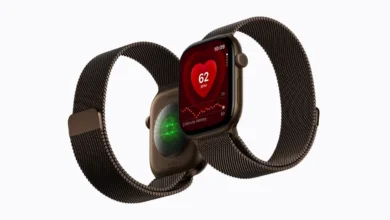
The Improved Automatic Activity Tracking feature, a cornerstone of this release, is now active for the Fitbit Air and the Pixel Watch 3, 4, and 5. Furthermore, the newly announced Fitbit Edge, scheduled for a retail launch on October 27, 2026, will ship with this firmware version pre-installed, ensuring parity across the company’s flagship wearables.
Health Guardian: Expanding Clinical Utility
Perhaps the most notable addition in version 5.11 is the expansion of the "Health Guardian" suite. Exclusively available to Google Health Premium subscribers, this feature set aims to transition wearable technology from wellness-tracking to proactive health monitoring. By enabling the tracking of blood pressure and insulin resistance trends, Google is entering a more sensitive domain of personal health analytics.
The implementation is designed to provide longitudinal data. While users can begin configuring these trackers immediately, the platform is structured to deliver the first actionable report at the beginning of November. This deliberate delay ensures that the algorithm has a sufficient baseline of data to generate meaningful insights, reducing the risk of false positives or misleading health trends. The integration of these specific health metrics suggests a concerted effort by Google to appeal to users managing chronic metabolic and cardiovascular conditions, moving beyond step counting and calorie estimation.
Refining Data Visualization and Terminology
Google is also standardizing its nomenclature within the health ecosystem. In version 5.11, the term "Blood Glucose" has been officially rebranded as "Glucose" across the entire application interface. While this may seem like a minor aesthetic adjustment, it reflects a broader design philosophy aimed at simplifying the user experience and ensuring that health data is accessible to a wider demographic, including those who may not be medically trained.
This rebranding is accompanied by a complete overhaul of the charts and graphs used to display glucose data. By utilizing clearer, high-contrast visualizations, the app aims to make it easier for users to identify spikes and troughs in their daily readings. These improvements serve as a foundation for future updates, which industry analysts suggest will likely involve deeper integration with continuous glucose monitoring (CGM) systems.
Advancements in Sleep Architecture Analysis
Sleep tracking has long been a staple of the Fitbit experience, but version 5.11 introduces a higher level of granularity. The update focuses on two primary areas: wake detection accuracy and the flexibility of nap editing.
Historically, wearable devices have struggled to distinguish between light sleep and quiet wakefulness, often leading to skewed "sleep quality" scores. The new wake detection algorithms utilize updated motion-sensor thresholds and heart-rate variability (HRV) analysis to provide a more precise timestamp for when a user truly wakes up. Furthermore, the ability to edit nap logs manually allows users to account for irregular sleep patterns, such as short midday rests that were previously ignored or miscategorized by the software. This granular control is essential for users who maintain non-traditional sleep schedules or those working shift rotations.
Chronology of the Google Health Integration
To understand the significance of this update, it is necessary to look at the recent history of Google’s health strategy. Following the acquisition of Fitbit, Google spent several years migrating legacy Fitbit account systems to the Google infrastructure.
- Mid-2025: The first major transition phase occurred, with Google Health replacing the legacy Fitbit app for new users.
- Early 2026: The launch of the Pixel Watch 3 and 4 established a new standard for sensor accuracy, setting the stage for more complex analytics.
- September 2026: Initial reports regarding the integration of blood pressure and insulin resistance tracking began to surface, signaling a shift toward clinical-grade diagnostics.
- October 2026: The official release of version 5.11, coinciding with the lead-up to the launch of the Fitbit Edge.
Supporting Data and Industry Context
The global wearable technology market is currently experiencing a pivot toward "medicalization." According to recent market analysis from Q3 2026, over 45% of wearable users now cite health monitoring for chronic conditions as their primary motivation for purchasing a device, up from roughly 20% in 2023.
Google’s decision to gate features like the Health Guardian behind a Premium subscription is consistent with its broader service-based revenue model. By providing high-value diagnostic trends, the company creates a compelling value proposition that justifies a recurring subscription cost. This is a vital strategy, as the hardware market for wearables faces intense competition from low-cost alternatives and specialized medical devices.
Analysis of Implications
The implications of the 5.11 update are threefold. First, for the individual user, it provides a more robust tool for self-management. Being able to track insulin resistance alongside physical activity allows for a more holistic view of metabolic health. Second, for Google, this represents an escalation in the "data war." By collecting more specific health data, the company can refine its AI-driven health suggestions, potentially offering more personalized coaching in future iterations of the app.

Third, from a regulatory standpoint, these updates place Google in an increasingly complex position. While the company maintains that these features are for "informational purposes only" and not a substitute for professional medical advice, the inclusion of blood pressure and glucose tracking pushes the boundary of what constitutes a "medical device." As Google continues to push these boundaries, it will likely face increased scrutiny from health authorities globally regarding data privacy and the accuracy of its diagnostic algorithms.
Official Response and User Feedback
While Google has not issued a formal press conference regarding the 5.11 update, the technical documentation provided via the Google Health support forums highlights the company’s commitment to "data integrity and user transparency." Engineering leads have noted that the refinements in wake detection were largely driven by user feedback collected throughout the first half of 2026, demonstrating a responsiveness to the community that was previously lacking during the initial merger phase.
Early adopter feedback on forums suggests that the interface changes are being received positively, particularly the simplified "Glucose" dashboard. However, there remains a segment of the user base that is concerned about the reliance on the Premium subscription for features that many consider essential for health management.
The Path Forward: Fitbit Edge and Beyond
The upcoming launch of the Fitbit Edge on October 27 is the next major event on the calendar. Given that the device will launch with 5.11 features, it is clear that the Edge is designed to be the showcase device for Google’s latest software advancements. Industry insiders expect the Edge to feature improved sensor arrays that will make the most of the new "Health Guardian" metrics, potentially allowing for even higher-fidelity data collection than the current Pixel Watch 5.
As Google continues to iterate on its health platform, the distinction between a "fitness tracker" and a "personal medical device" will continue to blur. Version 5.11 is a clear sign that the company is comfortable operating in that gray area, prioritizing the utility of the data over the simplicity of the interface. Whether this trend will lead to full medical certification for these devices remains a subject of intense speculation, but for now, the 5.11 update stands as the most comprehensive effort to date to consolidate the Fitbit and Pixel health experience into a singular, cohesive, and data-rich environment.
For current users, the update is available via the Apple App Store for iOS users and is continuing its phased rollout on the Google Play Store for Android. Users are encouraged to ensure their firmware is up to date before attempting to configure the new Health Guardian features, as the accuracy of the trends is highly dependent on the stability of the device connection and the consistency of data synchronization between the wearable and the smartphone application.