A Legacy of Modding and Innovation
The history of Arma is not merely the history of a single franchise, but the history of community-driven innovation. Since the release of Operation Flashpoint: Cold War Crisis in 2001—the spiritual predecessor to the Arma series—Bohemia Interactive championed the inclusion of robust editing tools. This design choice allowed players to manipulate the game’s complex engine, which was built to handle vast, persistent battlefields and high-fidelity ballistics, to create entirely new gameplay loops.
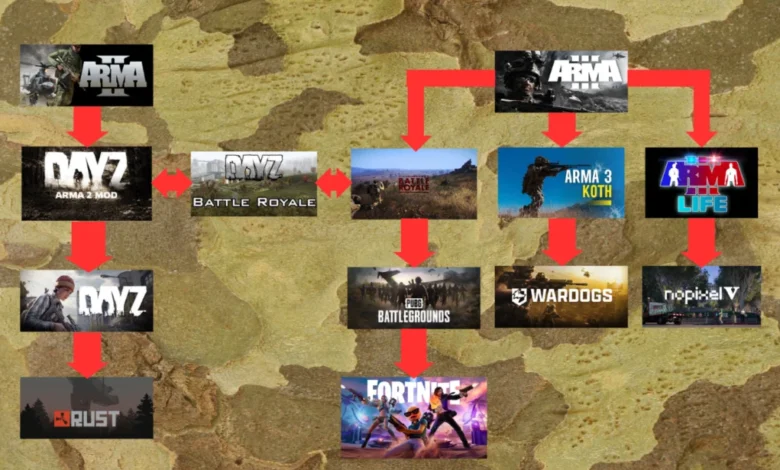
The cultural impact of this accessibility is difficult to overstate. When developers provide the tools to build complex AI behaviors, vehicle physics, and massive map traversal, they effectively democratize game design. This has led to a cyclical process of innovation: a modder creates a novel concept within the Arma engine, the concept gains viral popularity, and the core mechanics are eventually extracted and refined into standalone titles that go on to dominate global sales charts.
The Survival Genre: From Arma 2 to DayZ
The most significant turning point in this evolution occurred in 2012 with the release of the DayZ mod for Arma 2. Created by Dean Hall, the mod introduced a concept that was radical at the time: high-stakes, persistent survival in a post-Soviet wasteland. Unlike contemporary shooters that focused on linear progression or short-term competitive matches, DayZ emphasized long-term consequences, social engineering, and the existential dread of permanent loss.
The success of the DayZ mod was instantaneous, effectively doubling the sales of the base game, Arma 2, months after its release. This phenomenon forced Bohemia Interactive to pivot, resulting in a formal partnership with Hall to develop DayZ as a standalone commercial product. The "DayZ effect" rippled through the industry, proving that there was a massive, untapped market for brutal, PvPvE (Player vs. Player vs. Environment) survival games. Titles such as Rust, Ark: Survival Evolved, and SCUM can all trace their conceptual lineage back to the tension-filled mechanics of the Arma 2 modding scene.
The Rise of the Battle Royale
If the survival genre represents the emotional legacy of Arma, the battle royale genre represents its commercial zenith. The genesis of the battle royale format is rooted in the work of Brendan "PlayerUnknown" Greene. Utilizing the framework established by the DayZ mod, Greene sought to refine the "last man standing" experience.
Greene’s first iteration, "PlayerUnknown’s Battle Royale," was initially a mod for DayZ, which he later transitioned into the more stable engine of Arma 3. This mod stripped away the survival elements of its predecessor, focusing instead on a shrinking "play zone" and randomized gear drops. The mechanics were so potent that they were quickly licensed by other studios, most notably for H1Z1: King of the Kill. Greene’s subsequent move to Bluehole to develop PUBG: Battlegrounds changed the trajectory of the entire gaming industry, sparking a multi-billion dollar trend that Epic Games would eventually capitalize on with the release of Fortnite’s Battle Royale mode in 2017.
Contemporary Evolution: King of the Hill and Wardogs
The influence of the Arma engine continues into the present day. The recent surge in popularity for the 100-player FPS Wardogs is a direct result of the enduring appeal of "King of the Hill" (KOTH) modes. The KOTH format—which tasks three factions with controlling a central, high-value zone while managing a persistent, gear-purchasing economy—originated in the Arma 3 community.
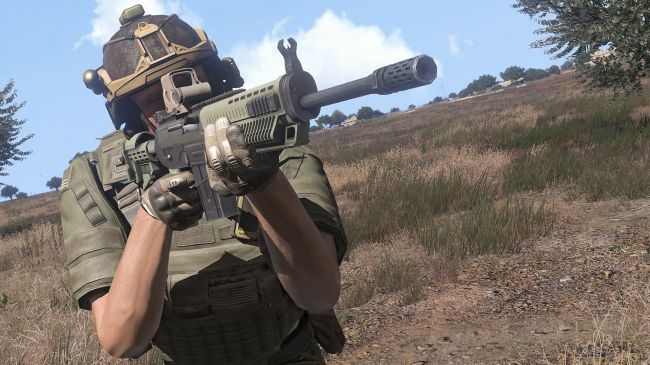
The developers of Wardogs, Bulkhead, took the deliberate step of collaborating with the creators of the original Arma 3: King of the Hill mod. This synthesis of modern development practices with established, community-proven mechanics underscores the trend of "mod-to-mainstream" production. By leaning on the structural design of a game that has been iterated upon by thousands of players over a decade, Wardogs has managed to achieve a level of tactical depth that would take years of independent prototyping to replicate.
The Roleplay Phenomenon: NoPixel and Beyond
Perhaps the most surprising facet of the Arma legacy is its contribution to the modern roleplay (RP) scene. Before the massive, Rockstar-backed success of NoPixel in Grand Theft Auto V, the concept of "Life" servers—where players take on civilian jobs, enforce laws, or engage in criminal enterprise in a persistent, rules-based environment—was perfected in Arma 3’s Altis Life mod.
These servers transformed Arma from a military simulator into a social simulator. The complexity of the Arma engine allowed for granular interactions, such as vehicle registration, weapon licensing, and complex inventory management, which are now standard features in the RP servers of major titles like GTA V. The transition of these communities from the military-focused environment of Arma to the urban, crime-focused environment of GTA V highlights the versatility of the simulation foundation.
Industry Implications and the Future of Sandbox Design
Bohemia Interactive’s consistent support for its community has turned the Arma franchise into a "meta-platform." By holding annual events like the "Make Arma Not War" modding contest, the studio has incentivized the development of high-quality, professional-grade content. This approach provides a low-risk, high-reward environment for aspiring developers to test their concepts against a massive, engaged player base.
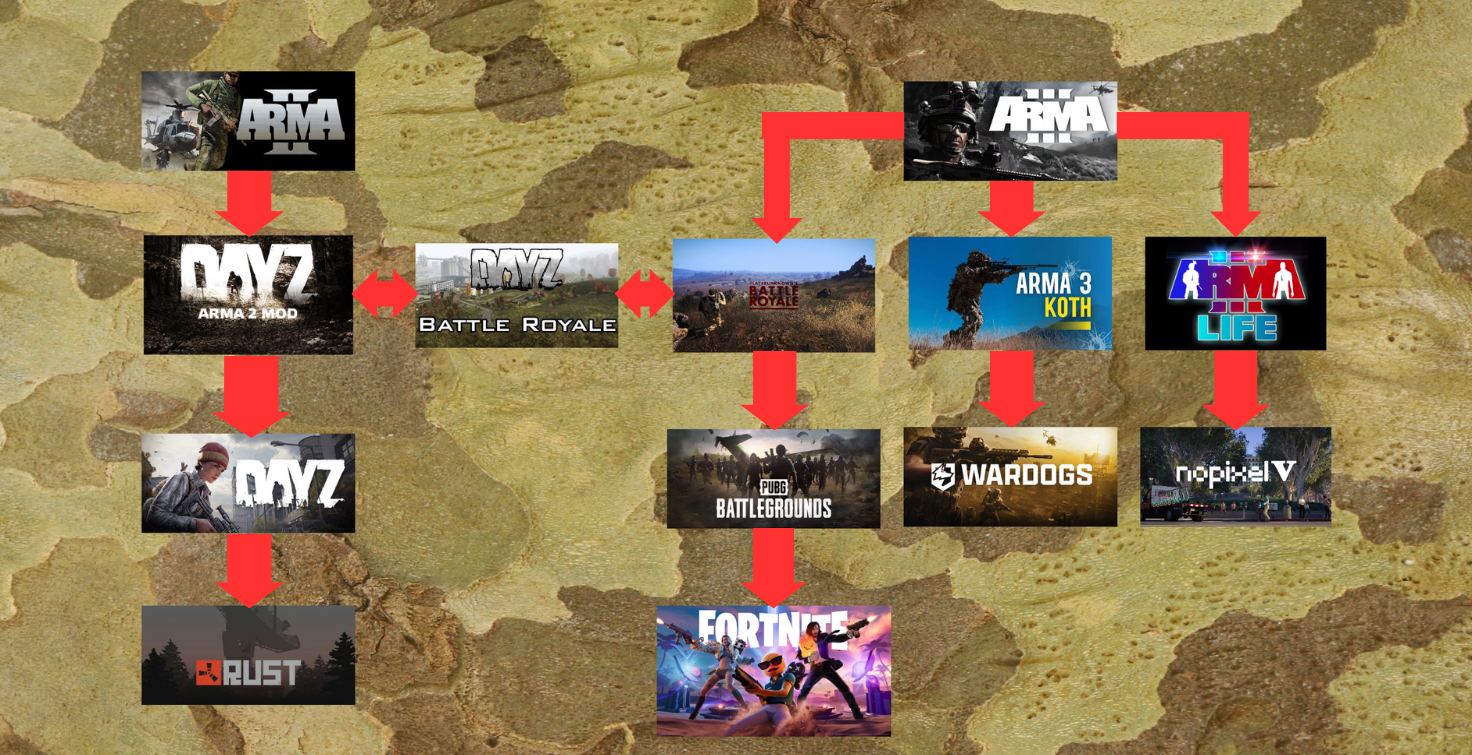
The implications for the broader gaming industry are clear: games that prioritize modularity and provide open-ended development tools are significantly more likely to achieve long-term cultural relevance. While many modern studios focus on closed, proprietary ecosystems, the Arma model demonstrates that sharing the "keys to the engine" can lead to a more sustainable and creative ecosystem.
As the industry looks toward the next generation of hardware, the lessons of the Arma family tree remain relevant. Whether through the tactical intensity of a battle royale, the social complexity of a roleplay server, or the harsh unforgiving nature of a survival game, the foundation built in the Arma engine continues to define how we play. The future of gaming may well be found not in the next big blockbuster, but in the next big idea born from a simple modding tool within a military simulation. As long as developers continue to treat their games as platforms rather than just products, the influence of the Arma legacy will continue to manifest in the titles that capture the world’s attention.
Related posts: