Visa Closes Checkout Loophole That Allowed Credit Card Rewards on Meme Coin Purchases

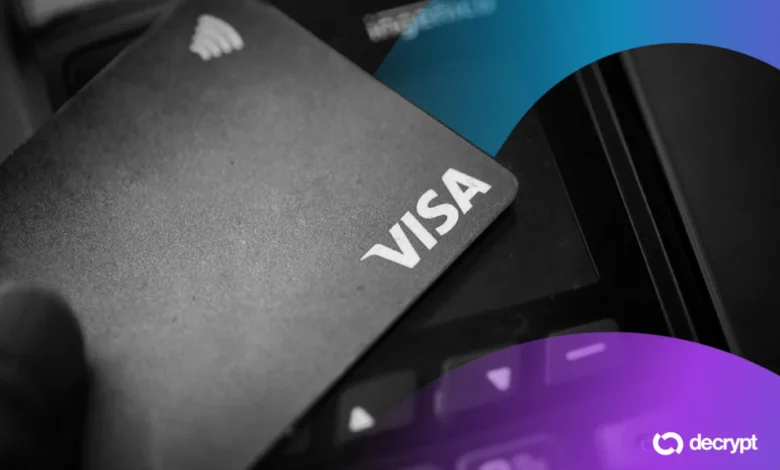
Traditional financial institutions and the digital asset ecosystem have been engaged in a prolonged chess match over regulatory boundaries, payment rails, and institutional access. While major banking institutions recently suffered a notable legislative setback regarding stablecoin yield restrictions following the stalling of the Clarity Act in the United States Senate, traditional finance has quietly secured a localized yet significant operational victory. According to reports from Crypto In America, payment processing giant Visa is actively moving to close a critical checkout loophole. This mechanism previously allowed everyday credit cards to acquire speculative meme coins while bypassing conventional cryptocurrency purchase restrictions and improperly generating lucrative credit card rewards.
The regulatory and operational friction underscores the growing pains experienced as decentralized finance intersects with legacy credit networks. For years, major credit card issuers have either outright banned cryptocurrency purchases or classified them as cash advances—triggering immediate interest charges, higher fees, and a complete forfeiture of rewards points, cash back, or travel milestones. However, the recent emergence of Web3 infrastructure providers and streamlined mobile wallet applications created an innovative workaround, sparking intense scrutiny from banking giants and regulators alike.
Anatomy of the Loophole: How Meme Coins Mimicked Digital Media
The controversy erupted following an exhaustive investigative report published by The Block, which revealed that users leveraging the Robinhood Wallet and Fomo applications could purchase meme coins using standard credit cards via Apple Pay or Google Pay. Crucially, these transactions were processed without requiring a separate, rigorous Know Your Customer (KYC) verification flow through the checkout interface.
Behind the scenes, these transactions were powered by Crossmint, a prominent crypto payments infrastructure firm. When users executed purchases of highly volatile meme tokens using Visa and Mastercard credit cards, the underlying payment routing coded the transactions as “digital goods media.” This Merchant Category Code (MCC)—typically reserved for innocuous digital purchases such as e-books, downloadable music, streaming movies, and software licenses—completely masked the true nature of the underlying asset.
Because the transactions were miscategorized as digital media rather than speculative crypto assets, credit card holders were able to bypass standard institutional blocks. Even more lucrative for retail speculators, these transactions qualified for standard credit card reward programs, allowing users to rack up cash back or reward points while simultaneously buying high-risk digital tokens.
The backlash from traditional banking institutions was swift. JPMorgan Chase, responding to The Block’s initial findings, confirmed that at least one Visa transaction had successfully slipped through the cracks without being flagged as a cryptocurrency acquisition. Chase explicitly stated that the transaction had been assigned an incorrect merchant category code and should never have been eligible for rewards. Consequently, the banking titan opened a formal dispute case with Visa to challenge the transaction classification. Simultaneously, the office of the New York Attorney General confirmed it was aware of the loophole and had initiated a review into the mechanics of the transactions.
Crossmint’s Defense and Visa’s Decisive Intervention
In defending the architectural design of its checkout framework, Crossmint pointed to prior regulatory guidance, specifically referencing a 2025 Securities and Exchange Commission (SEC) staff statement. That statement drew conceptual distinctions for certain digital assets, describing select meme-style tokens as being closer in nature to digital collectibles rather than traditional securities.
Despite this defense, the payment processing titan clearly arrived at a different conclusion regarding payment network compliance. In internal correspondence reviewed by Crypto In America, Visa explicitly informed at least one key industry participant that utilizing the digital goods media merchant code for meme coin purchases violates network operating rules.
Furthermore, Visa has notified major payment processors, including Checkout.com, that this specific merchant code will no longer be tolerated or accepted for transactions of this nature. According to industry sources familiar with the matter, Visa granted affected payment processors a brief grace period to wind down the practice, with the enforcement deadline slated to take effect imminently. Representatives for both Visa and Crossmint declined to immediately respond to media requests for comment regarding the policy shift.
Broader Regulatory Context: The Clarity Act and Banking Lobby Pressures
The timing of Visa’s crackdown coincides with broader legislative maneuvering in Washington, D.C. Earlier in the week, the broader financial sector suffered a legislative defeat when the highly anticipated Clarity Act failed to advance in the United States Senate. The bill’s stalling represented a missed opportunity for traditional banking lobbies that had aggressively lobbied for tighter regulatory restrictions and limitations on stablecoin rewards programs—mechanisms that traditional banks view as unfair competition against traditional low-yield savings accounts.
While Wall Street banks lost the legislative battle over stablecoins on Capitol Hill, the Visa development demonstrates that traditional financial infrastructure providers retain immense unilateral power to police their own payment rails. By tightening compliance standards around merchant category codes, card networks can effectively shut down unauthorized arbitrage opportunities that bridge fiat credit with decentralized digital assets.
Market Implications: The End of Rewarded Speculation
The closure of the Crossmint-powered checkout workaround signals a definitive tightening of the perimeter surrounding crypto onboarding. While meme coin trading and retail crypto purchases are by no means disappearing, the era of earning cash back and travel rewards on high-risk, speculative digital tokens via standard credit cards is effectively drawing to a close.
Moving forward, any credit card-funded purchases of meme coins or comparable digital assets must be properly processed and coded as cryptocurrency transactions. This classification subjects them to the stringent rules, higher fees, cash-advance categorizations, and strict risk-management parameters traditionally enforced by major card networks and issuing banks.
Industry insiders summarize the shifting landscape with stark clarity regarding the expectations placed on infrastructure providers. As one knowledgeable source succinctly put it regarding the crackdown, “The message to the crypto industry is clear: Stop being cute, stay in your lane, and use the appropriate codes.”
As regulatory agencies, state attorneys general, and payment networks align their oversight, the frictionless days of laundering speculative crypto purchases through digital media checkout codes have reached their definitive end, cementing a tighter wall between legacy credit systems and the wild west of token trading.