Samsung Electronics Eyes 7% to 10% Smartphone Memory Price Hike as AI Demand Shifts Semiconductor Industry Dynamics

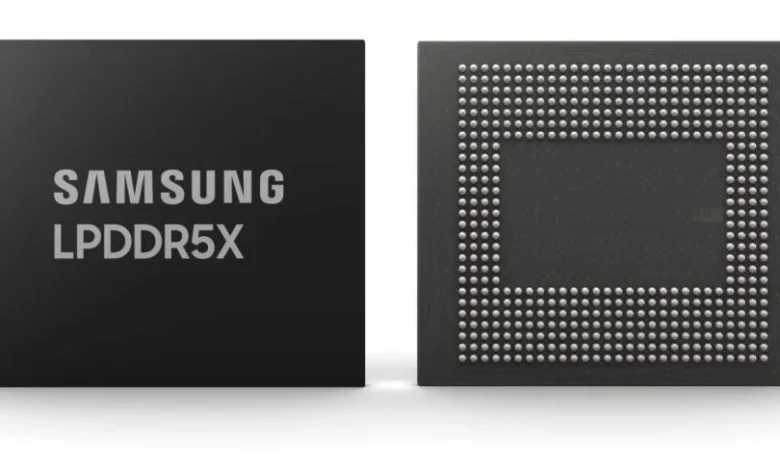
Samsung Electronics is reportedly seeking to increase the pricing of its DRAM and NAND flash memory components destined for mobile devices by 7% to 10%, according to industry reports originating from South Korean publication Sisa Journal e. The proposed upward price adjustments underscore a broader, structural transformation within the global semiconductor marketplace, driven by intense capital expenditure on artificial intelligence infrastructure, shifting manufacturing priorities, and persistent supply constraints across consumer electronics sectors.
The Device Solutions (DS) division of Samsung, which oversees the company’s semiconductor manufacturing and memory production operations, has initiated preliminary discussions with major Chinese smartphone manufacturers. These early negotiations represent the opening salvo in a broader corporate strategy to recalibrate mobile memory pricing amid soaring production costs and constrained fab capacities. Meanwhile, subsequent negotiations with industry titan Apple are anticipated to commence during the final quarter of the calendar year, running from October through December. Notably, Samsung’s internal corporate firewall between its semiconductor arm (DS) and its mobile manufacturing wing (Device Experience, or DX) dictates that even the company’s own smartphone division will not be insulated from these proposed price increases, highlighting the strict operational independence maintained between the conglomerate’s component and finished-goods businesses.
The Anatomy of Memory Pricing Negotiations
Securing price increases across a highly competitive mobile ecosystem involves complex corporate maneuvering, particularly when dealing with high-volume purchasers. While negotiations with Chinese Original Equipment Manufacturers (OEMs) are already underway, bringing Apple to the negotiating table is expected to present unique challenges for Samsung’s sales executives.
Market analysts and supply chain tracking firms estimate that Apple procures roughly double the volume of NAND flash memory for its iPhone lineup compared to what Samsung utilizes for its own mobile devices, and approximately triple the volume purchased by major Android competitors like Xiaomi. This staggering procurement scale affords Apple substantial leverage during contract renewals. Nevertheless, despite its market power, Cupertino may find limited room to evade industry-wide pricing pressures as memory manufacturers increasingly prioritize high-margin enterprise clients over consumer-grade hardware components.
The AI Boom and the Shift in Fab Allocation
The fundamental driver behind the current pricing pressures facing smartphone manufacturers lies in a massive reallocation of semiconductor fabrication capacity. Major memory producers, including Samsung Electronics, SK Hynix, and Micron Technology, have increasingly directed their capital investments and manufacturing bandwidth toward high-margin, high-performance memory architectures. Specifically, High Bandwidth Memory (HBM)—critical for powering advanced AI accelerators and data center servers—alongside high-density server DRAM, has become the primary focus for semiconductor foundries.
Because the fabrication lines capable of producing advanced memory types are largely interchangeable, foundries are choosing to allocate their limited cleanroom space and advanced lithography tools to enterprise-grade products rather than the Low-Power Double Data Rate (LPDDR) DRAM and mobile NAND required by smartphone vendors. This strategic pivot has created an artificial supply squeeze in the consumer electronics sector. Consequently, memory suppliers are attempting to bridge their own profit margins by raising prices on mobile-grade components to offset the opportunity costs associated with diverted fab capacity.
Chronology of the Semiconductor Market Surge
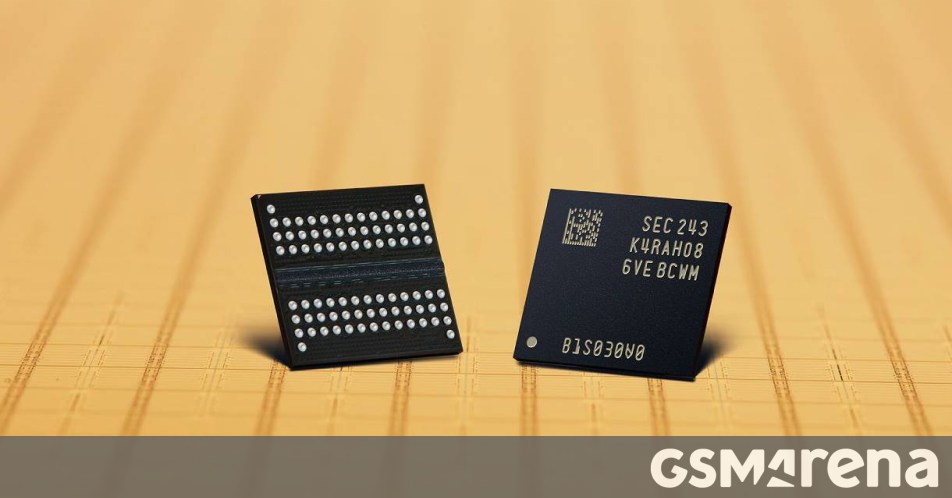
To understand the current trajectory of DRAM and NAND pricing, industry observers must examine the macroeconomic and sectoral timeline that began unfolding in previous years. The semiconductor industry has transitioned from a post-pandemic inventory glut into a prolonged, supply-constrained growth cycle.
During the latter half of 2022 and throughout 2023, memory chip manufacturers experienced historic losses due to oversupply and weak consumer demand for PCs and smartphones. This forced companies like Samsung, SK Hynix, and Micron to enact steep production cuts, idle manufacturing lines, and slash capital expenditures. By late 2023 and early 2024, the explosive growth of generative artificial intelligence completely reshaped market demand. Hyperscale cloud providers and AI hardware developers began absorbing massive quantities of advanced semiconductors, draining industry inventories.
By the third quarter of 2025, component pricing had rebounded dramatically from cyclical lows. Market research data compiled by Omdia illustrates a staggering ascent in the baseline costs of standard mobile memory configurations. For instance, the combined cost of an 8GB DRAM and 256GB NAND storage package sat at approximately $35 in the third quarter of 2025. By the first quarter of 2026, that same hardware combination surged to $109, before climbing further to $132 in the second quarter.
Omdia’s forward-looking models project that prices will continue an upward trajectory throughout the remainder of 2026. The 8GB/256GB memory configuration is estimated to reach $140 in the third quarter of 2026 and $144 in the fourth quarter. Meanwhile, heavier configurations, such as the 12GB DRAM and 512GB NAND pairing, which cost an estimated $60 in Q3 2025, are projected to climb to $202 in Q3 2026 and reach $206 by the final quarter of the year. Market analysts at Omdia predict that this elevated pricing environment will persist unabated through at least the first half of 2027.
Broader Economic Implications for the Smartphone Industry
The impending 7% to 10% price increase proposed by Samsung carries profound implications for the global smartphone manufacturing ecosystem. As raw component costs steadily climb, device makers face difficult strategic decisions regarding their product pricing and profit margins.
For entry-level and mid-range smartphone manufacturers operating on thin hardware margins, absorbing a double-digit percentage increase in memory costs is practically unviable. These brands will likely be forced to pass rising component expenses directly onto consumers, potentially dampening consumer demand in price-sensitive emerging markets. Alternatively, manufacturers may choose to downgrade baseline memory specifications—offering lower RAM capacities or reduced internal storage options—to maintain retail price parity for budget-conscious buyers.
Premium flagship device manufacturers, on the other hand, possess greater financial cushion to absorb cost variations, but sustained component inflation still threatens their operating margins. Companies like Apple and Samsung’s own DX division may utilize their robust supply chain partnerships and forward-buying contracts to mitigate the immediate impact of the price hike, yet long-term consumer device pricing appears destined to drift upward.
Furthermore, the persistent focus on AI-driven hardware infrastructure suggests that memory manufacturers will maintain strict discipline over consumer-grade production volumes. Until new fabrication facilities come online and global supply chains achieve a new equilibrium—projected by analysts to extend well into 2027—the balance of power in the semiconductor market will remain firmly in the hands of major memory foundries. As negotiations between Samsung and its mobile clientele progress in the coming months, the resulting pricing agreements will establish a critical benchmark for the entire consumer electronics industry, signaling whether component inflation will accelerate or find a temporary ceiling in an increasingly AI-centric technological landscape.