Samsung Galaxy S24 Series Receives One UI 9 Beta 2 With Advanced Galaxy Z8 and S26 Features

Samsung has officially commenced the rollout of the second One UI 9 beta update for its flagship Galaxy S24 series, arriving less than two weeks after the initial beta software was distributed to early adopters and developers. Discovered initially by prominent software tracker Tarun Vats, the latest firmware update carries a build version ending in “ZZI4” and brings several high-profile features previously exclusive to newer hardware iterations, specifically the Galaxy Z8 foldable lineup and the newly released Galaxy S26 flagship series.
This rapid succession of software releases underscores Samsung’s aggressive development cycle for its next-generation user interface. As major Android ecosystem players race to integrate deeper artificial intelligence capabilities and streamline user experiences, Samsung is leveraging its established device ecosystem to backport cutting-edge software enhancements to older flagship architectures. For owners of the Galaxy S24, S24+, and S24 Ultra, this beta release offers an early glimpse into the future of Samsung’s software philosophy, though experts continue to caution against installing pre-release software on primary, everyday devices.
Chronology of the One UI 9 Deployment
The timeline of Samsung’s One UI 9 rollout has moved at a brisk pace, reflecting the company’s commitment to modernizing its software portfolio ahead of broader public deployment schedules.
- Early September 2026: Samsung rolls out the inaugural One UI 9 beta update for the Galaxy S24 series, introducing the core foundational architecture of the new operating system overlay.
- Mid-September 2026: Software leakers and community trackers, notably Tarun Vats, spot the deployment of One UI 9 Beta 2 (firmware ending in “ZZI4”) for participating Galaxy S24 units.
- Ongoing (Beta Phase): Registered users in eligible regions gain access to incremental features ported from the Galaxy Z8 and Galaxy S26 families.
- Future Outlook: A stable, public-facing release of One UI 9 is anticipated later in the year, following rigorous bug testing and telemetry analysis gathered during the current beta phase.
This structured rollout methodology allows Samsung to stress-test complex artificial intelligence algorithms and resource-intensive camera features across a wider install base before final deployment to the general public.
Key Feature Additions in One UI 9 Beta 2
The second beta iteration for the Galaxy S24 series is far more than a routine collection of bug fixes and performance patches. It introduces major functional upgrades centered heavily on generative artificial intelligence and advanced multimedia tracking capabilities.
Now Brief Customization and Call Brief Integration
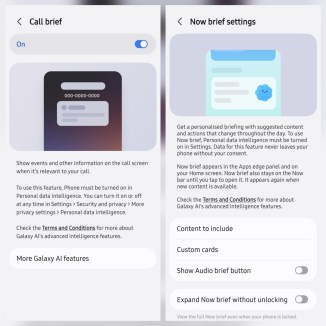
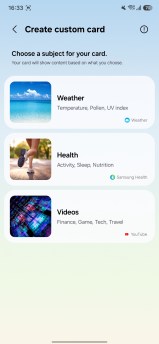
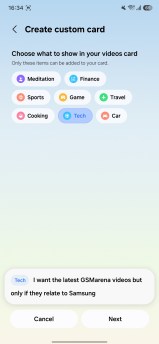
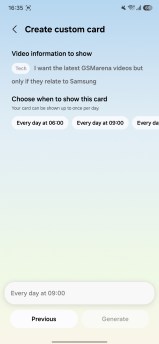
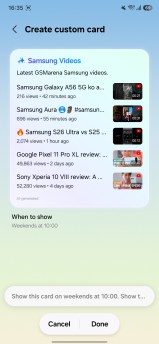
Among the most notable productivity enhancements included in the ZZI4 build is the expansion of Now Brief functionality. Users can now create personalized, custom cards simply by communicating their specific informational requirements to the system’s AI engine. By instructing the assistant on what data points, reminders, or summaries should be prioritized, users can tailor their glanceable information architecture to match individual daily workflows.
However, system resource constraints remain a factor; preliminary technical reviews indicate that the interface currently limits active custom cards to three at any given time to maintain optimal processing efficiency and battery preservation. Alongside custom Now Brief cards, Samsung has formally integrated Call Brief functionality into the S24 environment, streamlining how users review automated transcriptions, key discussion points, and action items generated during voice communications.
Introduction of My FanCam
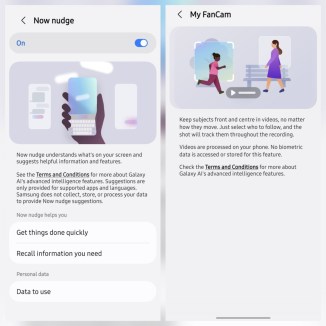
On the multimedia front, One UI 9 Beta 2 introduces the highly touted "My FanCam" feature, which made its commercial debut on the Galaxy Z8 foldable devices. My FanCam is an advanced, AI-driven motion-tracking system designed to solve a common dilemma at concerts, sporting events, and large public gatherings: keeping a specific subject in sharp focus amidst a moving crowd.
Utilizing advanced machine learning algorithms, the feature can isolate a single individual from a group of people, automatically tracking their movements and applying a dynamic crop to keep them centered within the frame. This capability shifts traditional video recording toward a more automated, cinematic experience, minimizing the need for manual pan-and-zoom adjustments during high-energy events.
Background Context and Ecosystem Strategy
Samsung’s decision to integrate flagship-tier features from the Galaxy Z8 and Galaxy S26 into the two-generation-old Galaxy S24 lineup reflects a broader industry trend toward software longevity and ecosystem parity. Historically, major software features were strictly siloed to launch hardware to incentivize immediate upgrades. However, with modern smartphones boasting powerful neural processing units (NPUs) and robust system-on-chip architectures, manufacturers are increasingly capable of supporting advanced AI and software tasks across multiple device generations.
The Galaxy S24 series, powered by capable silicon and outfitted with robust hardware specifications, serves as an ideal testbed for these demanding features. By ensuring that legacy flagships receive core elements of newer software suites, Samsung strengthens customer loyalty and demonstrates the sustained viability of its multi-year support commitments.
Broader Industry Implications and Analysis
The introduction of advanced AI personalization tools and motion-tracking utilities via a beta software channel carries several important implications for the mobile industry at large:
- Acceleration of AI Utility: Features like custom Now Brief cards and Call Brief demonstrate a shift from generalized AI novelties to hyper-personalized productivity tools. The ability to dictate custom parameters to an on-device assistant lowers the friction of human-computer interaction.
- Hardware Agnosticism in Software: As processing architectures homogenize around high-performance neural engines, the traditional barriers separating generational software tiers are beginning to dissolve. This challenges competitors to match Samsung’s pace in feature backporting.
- Beta Testing as Marketing: High-profile beta deployments generate substantial enthusiast engagement and media coverage, keeping mature product lines like the Galaxy S24 relevant long after their initial commercial launch cycles have peaked.
Official Stance and Safety Precautions
While the deployment of One UI 9 Beta 2 has generated considerable enthusiasm within the Android enthusiast community, Samsung continues to issue standard operational disclaimers regarding pre-release software stability. Beta builds inherently contain unpatched bugs, potential memory leaks, and application incompatibilities that can disrupt daily device functionality.
Industry experts and official support channels consistently advise consumers to reserve beta installations for secondary test devices rather than primary daily drivers. For standard users who rely on their smartphones for critical communications, financial transactions, and professional tasks, waiting for the official, stable release remains the recommended course of action.
As the beta testing window progresses, Samsung is expected to monitor telemetry data, address user feedback, and refine the performance of both Now Brief customization and My FanCam before pushing toward a wider commercial rollout of One UI 9.