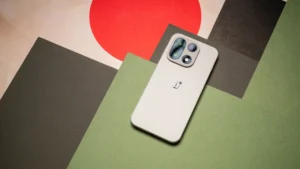
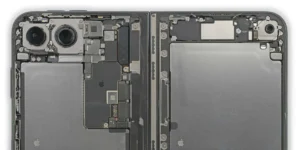
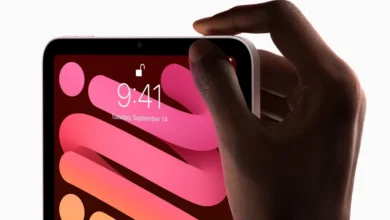
Apple Officially Debuts the iPhone Duo: The Thinnest Foldable Device in the Company’s History

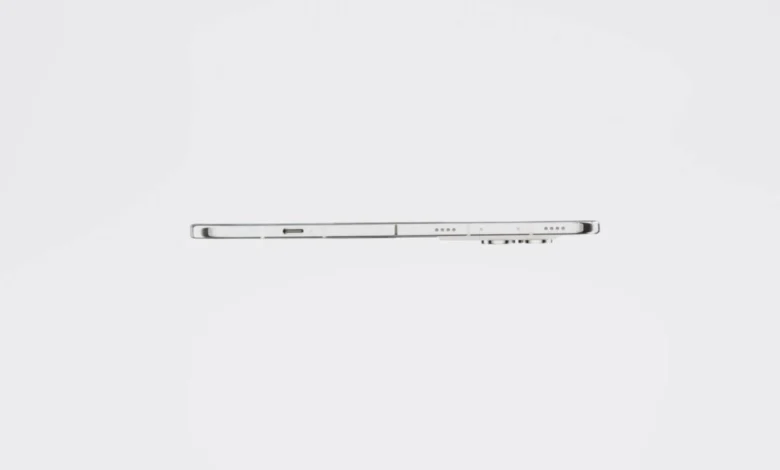
Apple has officially entered the foldable device market with the announcement of the iPhone Duo, marking a monumental shift in the design trajectory of the company’s flagship product line. Unveiled during Apple’s highly anticipated September product showcase in Cupertino, the device has been billed by executives as the thinnest iPhone ever created, blending cutting-edge engineering with a brand-new form factor.
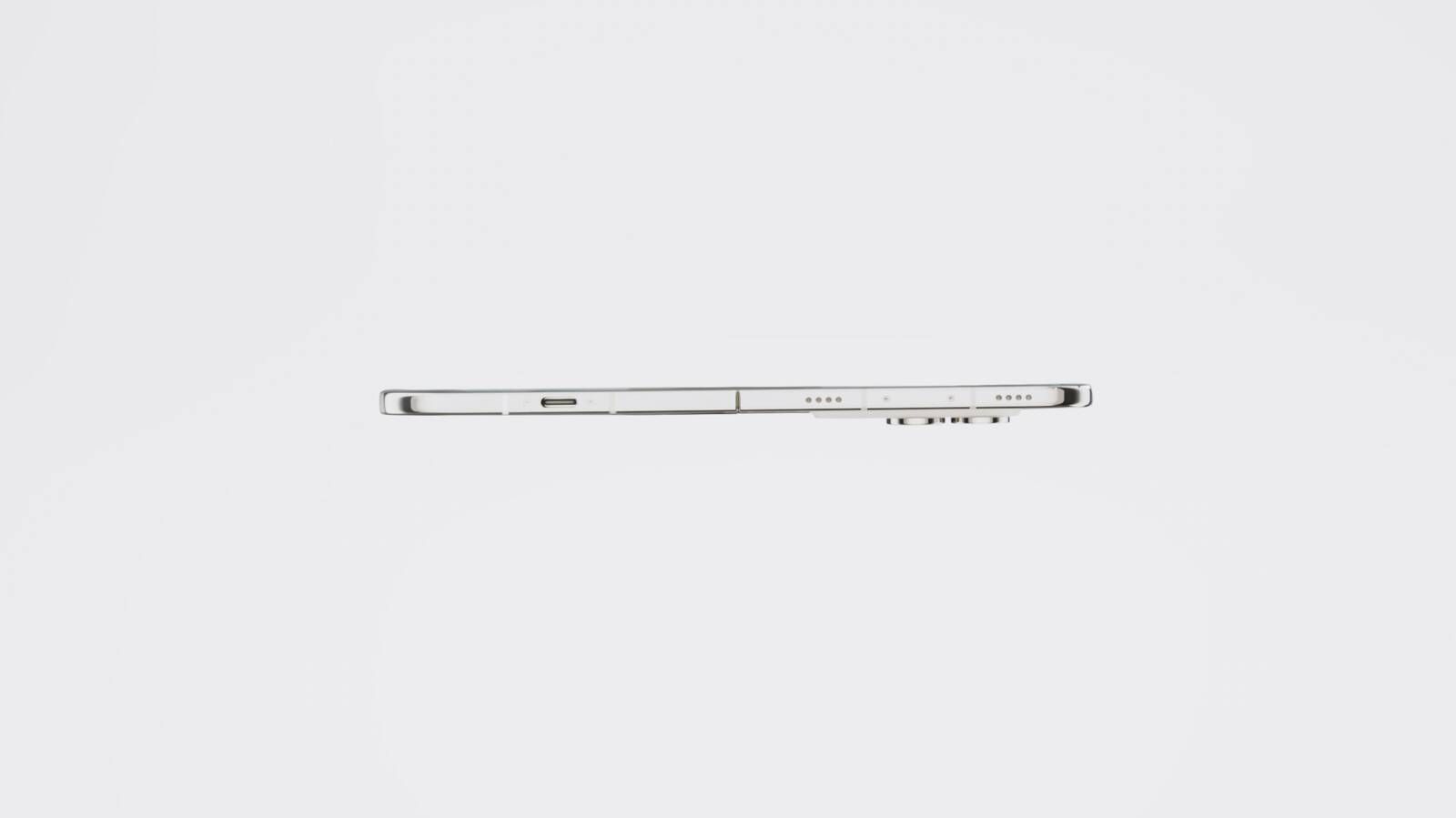
The introduction of the iPhone Duo breaks years of speculation and positions Apple to compete directly in the rapidly expanding foldable smartphone sector. Measuring a remarkably slender 5.2mm when fully unfolded, the device surpasses previous industry estimates and sets a new physical benchmark for foldable hardware, narrowly trailing the 13-inch iPad Pro, which remains Apple’s thinnest overall product at 5.1mm.
Physical Dimensions and Engineering Specifications
The engineering feats required to achieve the iPhone Duo’s profile are substantial. While early supply chain rumors suggested a thickness of roughly 4.5mm—putting it on par with competitors like Samsung’s Galaxy Z Fold series—Apple ultimately settled on a 5.2mm thickness for the unfolded chassis. This configuration makes the iPhone Duo 0.4mm thinner than the ultra-slim iPhone Air.
When folded closed, the device measures 11.3mm in thickness. For context, traditional slab-style flagships such as the iPhone 17 Pro Max and the newly announced iPhone 18 Pro Max measure 8.75mm thick. The folded profile of the iPhone Duo reflects the intricate hinge mechanisms and dual-panel architecture required to protect the internal flexible OLED screen while maintaining structural integrity.
Despite its remarkably slim profile when open, the physical footprint of the dual-screen configuration contributes to a heavier overall build. Tipping the scales at 254 grams, the iPhone Duo is officially the heaviest iPhone in the company’s history. It surpasses the 249-gram weight of the iPhone 18 Pro Max by five grams, a difference primarily attributed to the dual-display system, complex hinge hardware, and larger internal battery capacity necessary to power two separate screens.
The visual layout of the device features a distinct short and wide design philosophy. When opened, users are greeted by a sprawling 7.6-inch inner flexible display designed for multitasking, media consumption, and productivity applications. When snapped shut, the device relies on a more conventional 5.4-inch outer display for quick interactions, notifications, and single-handed navigation.
The Long Road to the Foldable iPhone: A Chronology
The journey toward Apple’s first foldable device has been one of the most protracted and closely monitored development cycles in consumer technology history. Industry insiders have tracked patent filings and supply chain whispers regarding foldable displays for nearly a decade, with mainstream rumors intensifying significantly between 2024 and 2026.
- Early Research and Development (2018–2022): Apple engineers began filing foundational patents detailing flexible glass, zero-crease hinge designs, and inward-folding display mechanisms. During this period, competitors such as Samsung, Motorola, and Google released multiple generations of foldable devices, allowing Apple to observe market reception and iron out durability flaws.
- Supply Chain Projections and Prototyping (2023–2025): Speculation peaked as component manufacturers in Asia reported receiving small-batch orders for ultra-thin glass (UTG) and custom hinge assemblies. Concept renders, dummy models, and engineering leak reports dominated tech news cycles, with analysts projecting a late 2025 or 2026 release window.
- Initial Pricing and Leak Waves (Early 2026): Throughout the spring and summer of 2026, details regarding potential variants—including rumored names like "iPhone Ultra" and "iPhone Duo"—began to crystallize. Market research firms such as TrendForce published component cost analyses indicating that upcoming hardware lines would face inflationary cost pressures. By August 2026, accessories and dummy models had leaked across manufacturing circles, confirming suspicions that MagSafe compatibility and advanced display tech would headline the autumn event.
- Official Unveiling (September 9, 2026): Apple hosted its keynote event at Apple Park, officially confirming the device’s nomenclature as the iPhone Duo alongside technical specifications, pricing tiers, and a definitive release schedule.
Market Context and Pricing Dynamics
The launch of the iPhone Duo arrives amid shifting economic pressures within the global smartphone industry. According to recent price estimations released by research firm TrendForce prior to the September event, premium hardware costs have escalated across the board due to rising silicon production expenses and advanced materials sourcing.
While baseline Pro models have seen steady upward price trajectories—with the iPhone 18 Pro projected to start at roughly $1,249 compared to the previous generation’s $1,099 entry point—Apple has yet to officially disclose the exact retail pricing for the iPhone Duo. However, industry analysts widely anticipate that the device will occupy an ultra-premium tier well above traditional Pro Max models, likely targeting enterprise users, early adopters, and affluent consumer segments willing to pay a substantial premium for bleeding-edge form factors.
The inclusion of standard ecosystem features remains a point of intense discussion among analysts. Leading up to the announcement, supply chain reports yielded conflicting data regarding whether a foldable device could accommodate the magnetic alignment and charging rings required for MagSafe accessories. While early dummy models lacked the visible external ring, subsequent leaked case designs suggested full integration, reinforcing Apple’s strategy to maintain accessory ecosystem continuity across its hardware portfolio.
Release Schedule and Availability
Consumers eager to acquire Apple’s inaugural foldable device will face a brief waiting period following the keynote presentation. Pre-orders for the iPhone Duo are officially scheduled to open on Thursday, October 16, 2026. Following the pre-order window, physical retail availability and initial customer shipments will commence globally on Friday, October 23, 2026.
Demand is expected to outstrip initial supply due to the complex manufacturing yields associated with ultra-thin foldable OLED panels and precision hinge assembly. Apple retail stores in major metropolitan areas are preparing for high foot traffic, while online ordering channels are anticipated to shift delivery dates backward within minutes of the pre-order window opening.
Broader Industry Implications and Analysis
The introduction of the iPhone Duo represents a watershed moment not only for Apple, but for the smartphone industry at large. For years, critics argued that Apple was falling behind competitors who had iterated through four, five, or six generations of foldable phones. By taking a deliberate, measured approach, Apple has allowed the underlying technology—specifically display durability, crease mitigation, and mechanical hinge reliability—to mature before committing its brand reputation to the form factor.
From an analytical perspective, the 5.2mm thickness and 254-gram weight reflect the engineering compromises currently inherent in foldable designs. While the device achieves a remarkably slender profile when opened, the added weight and folded thickness demonstrate that consumer electronics manufacturers are still wrestling with the laws of physics regarding battery capacity and structural reinforcement.
Nevertheless, the launch of the iPhone Duo validates the foldable category as a permanent, mainstream segment of the premium smartphone market rather than a temporary novelty. As developers begin updating applications to take advantage of the expansive 7.6-inch inner canvas, the software ecosystem will inevitably adapt to support multi-window workflows and continuous display handoff.
Whether the iPhone Duo can replicate the cultural dominance of the traditional slab iPhone remains to be seen. However, by establishing a new benchmark for thinness and integrating its proprietary silicon and ecosystem features into a folding chassis, Apple has fundamentally altered the competitive landscape for the remainder of the decade.