Pixel Watch 5 Leak Reveals Iterative Hardware, Significant RAM Boost, and Gemini AI Integration

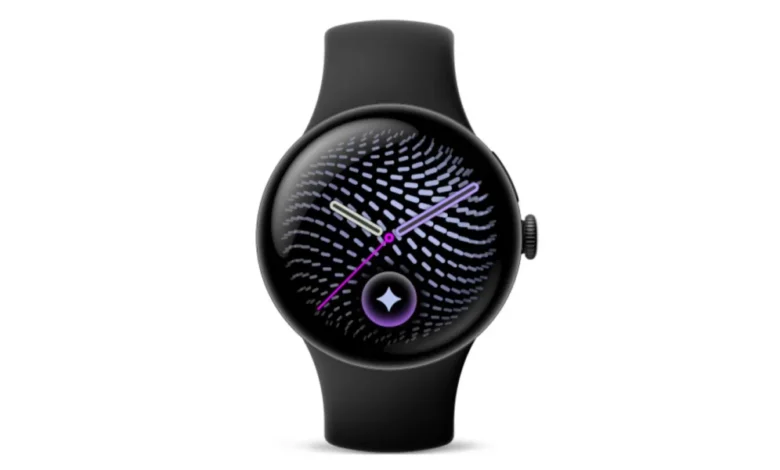
The forthcoming Pixel Watch 5 is poised to maintain the aesthetic continuity of its predecessor, with leaked information suggesting an identical external design, a trend that may also extend to its core specifications and underlying chip architecture. This approach points to Google’s strategic emphasis on internal enhancements and software-driven innovation rather than radical design overhauls for its fifth-generation wearable. The device, internally codenamed "godric" – a moniker potentially following Google’s tradition of portmanteau codenames – has surfaced in the Google Play Console, offering a preliminary glimpse into its technical foundations and revealing a pivotal upgrade in system memory, signaling a potential leap in its intelligent capabilities.
The Core Revelation: Chip Continuity and RAM Evolution
At the heart of the Pixel Watch 5’s preliminary specifications lies the "Qualcomm SW5100," identified as the base chip. This designation immediately draws attention, as it suggests a continuation of the silicon platform that has powered the Pixel Watch 2, 3, and 4. While the exact iteration of the Snapdragon W5 platform within the SW5100 nomenclature remains to be precisely determined, the implication is that the primary CPU and GPU components are expected to remain consistent with the previous year’s model. This strategy, while potentially raising questions about raw performance gains compared to rivals, could underscore Google’s confidence in the platform’s stability and efficiency for the Wear OS ecosystem.
However, a significant departure from previous generations emerges in the realm of system memory. The Pixel Watch 5 is slated to feature 3 GB of RAM, marking the first upgrade from the 2 GB standard since Google’s initial foray into the wearable market with the inaugural Pixel Watch. This substantial increase in memory is not merely an incremental bump; it is widely presumed to be a critical enabler for "Gemini Intelligence capabilities," hinting at a deeper integration of Google’s advanced artificial intelligence models directly onto the wrist. This memory boost could be a cornerstone for unlocking more sophisticated on-device processing, enhanced multitasking, and a more responsive user experience for AI-driven features.
A History of Iteration: The Pixel Watch Journey
Google’s journey into the dedicated smartwatch hardware market has been a deliberate and, at times, protracted one. After years of spearheading the Wear OS (formerly Android Wear) platform with various OEM partners, the tech giant finally unveiled its first proprietary smartwatch, the Pixel Watch, in October 2022. This inaugural device, powered by the aging Exynos 9110 chip, served as a foundational entry, notable for its sleek, domed design, deep Fitbit integration, and a refined Wear OS 3 experience. Despite its elegant aesthetics, the first Pixel Watch faced criticism regarding its dated processor, relatively short battery life, and prominent bezels.
Learning from the initial feedback, Google swiftly moved to address some of these concerns with the Pixel Watch 2, launched in October 2023. This model introduced the 4nm Snapdragon W5 Gen 1 chipset, a significant upgrade that brought substantial improvements in performance and power efficiency. The co-processor was also enhanced, shifting from an ARM Cortex-M33 to a more capable M55. This generation marked Google’s commitment to optimizing hardware for Wear OS, focusing on smoother operation and extended battery life, while maintaining the distinctive design language.
The Pixel Watch 3 and 4, launched in subsequent years (2024 and 2025, respectively), continued this trajectory of iterative refinement. While external designs remained largely consistent, internal upgrades focused on incremental performance boosts and new functionalities. The Pixel Watch 4, for instance, saw an upgrade to the Snapdragon W5 Gen 2, primarily to facilitate advanced features such as Satellite SOS capabilities, demonstrating Google’s intent to integrate emergency and safety features more deeply into its wearable offerings. This chronological progression underscores Google’s strategy of evolving its smartwatch line through a combination of consistent design and targeted internal enhancements, building upon a stable hardware and software foundation.

Under the Hood: Deconstructing the Qualcomm SW5100 and W5 Platforms
The repeated appearance of the "Qualcomm SW5100" as the base chip for the Pixel Watch 2 through 5 warrants a closer examination of Qualcomm’s Snapdragon W5 platform. The Snapdragon W5 Gen 1, introduced in 2022, was a significant leap for Wear OS devices. Fabricated on a 4nm process, it offered a substantial improvement over previous generations (like the 12nm Snapdragon Wear 4100+), featuring a quad-core Cortex-A53 CPU cluster clocked at up to 1.7 GHz and an Adreno 702 GPU. This smaller manufacturing process allowed for greater power efficiency and enhanced performance, crucial for the always-on nature of smartwatches. The W5 Gen 1 also integrated a low-power co-processor, enabling features like always-on displays and continuous health monitoring with minimal battery drain.
The subsequent Snapdragon W5 Gen 2, likely utilized in the Pixel Watch 4, continued this evolution. While maintaining the 4nm process and core architecture, the Gen 2 variant primarily focused on optimizing specific functionalities, such as improved modem capabilities for enhanced cellular connectivity and, notably, enabling advanced features like Satellite SOS. These iterative updates from Qualcomm often involve firmware refinements, minor clock speed adjustments, and specialized IP blocks rather than a complete overhaul of the core CPU/GPU architecture. Therefore, the "SW5100" in the context of the Pixel Watch 5 likely refers to a highly optimized or slightly tweaked version of the W5 Gen 2 platform, designed to meet Google’s specific requirements for power, performance, and feature integration, rather than a completely new silicon generation. This approach allows Google to leverage a proven, efficient platform while focusing its engineering efforts on software and AI integration.
The Co-Processor Conundrum
A critical, yet often overlooked, component in modern smartwatches is the co-processor. These low-power chips are designed to handle background tasks, sensor data processing, and always-on functionalities with extreme efficiency, offloading these duties from the main application processor to conserve battery life. The Pixel Watch 2 saw an upgrade from an ARM Cortex-M33 co-processor to an M55. The Cortex-M55, an ARMv8.1-M architecture, offers significant improvements in performance per watt compared to its predecessor, particularly when paired with ARM’s Ethos-U55 microNPU for AI acceleration.
While today’s listing for the Pixel Watch 5 does not explicitly mention the co-processor, the precedent set by the Pixel Watch 2’s upgrade suggests that Google pays close attention to this component. Given the emphasis on "Gemini Intelligence," it would be a logical inference that if the main application processor remains largely consistent, the co-processor could see further optimization or even an upgrade to handle more complex, low-power AI tasks. A more capable co-processor would be essential for efficient, continuous monitoring and processing of health data, as well as for enabling "always-listening" AI features without excessively draining the device’s battery. Google’s strategy often involves balancing the capabilities of the main chip with the efficiency of the co-processor to deliver a seamless and power-conscious user experience.
RAM: The Gateway to Gemini Intelligence
The most notable hardware upgrade in the Pixel Watch 5 appears to be the jump to 3 GB of RAM. For a smartwatch, this represents a substantial increase, especially when compared to the industry standard of 1.5 GB to 2 GB found in many competing devices, including Samsung’s latest offerings. This memory expansion is critically important for enabling more complex software operations and, specifically, "Gemini Intelligence capabilities."
Gemini, Google’s most advanced and versatile AI model, is designed to understand and operate across various modalities, including text, code, audio, image, and video. Integrating Gemini-powered features onto a device as compact as a smartwatch requires significant on-device processing power and memory. More RAM allows the device to:
- Run larger and more sophisticated AI models locally: This reduces reliance on cloud processing, leading to faster responses and enhanced privacy.
- Improve multitasking: Users can seamlessly switch between applications, run background processes, and handle complex notifications without slowdowns.
- Enhance responsiveness: A larger memory buffer can store more frequently accessed data and application states, leading to a smoother and more fluid user interface.
- Support advanced sensor fusion and health insights: More complex algorithms for interpreting biometric data, sleep patterns, and activity levels can operate more efficiently.
For the Pixel Watch 5, the 3 GB RAM could translate into more natural language interactions with Google Assistant, proactive and context-aware notifications, personalized health coaching driven by AI, and even real-time analysis of user behavior to offer timely suggestions. The ability to perform these tasks on-device rather than relying solely on cloud servers would mark a significant step forward in smartwatch intelligence, aligning with Google’s broader strategy of bringing generative AI to its entire ecosystem.
Design Continuity and the Gemini Aesthetic
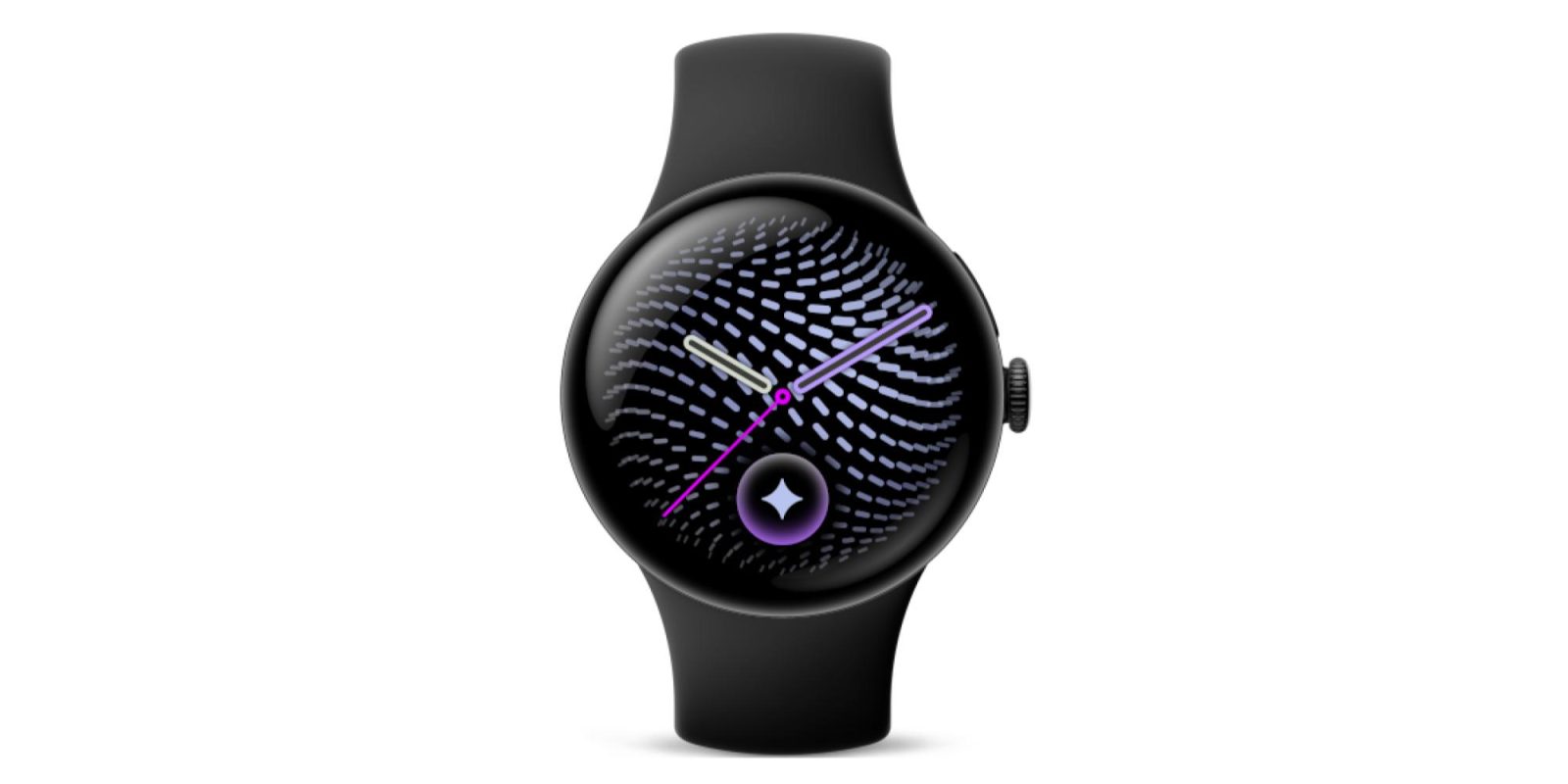
The leaked image accompanying the Google Play Console listing corroborates previous renders, indicating that the Pixel Watch 5 will largely retain the familiar, distinctive design language of its predecessors. This means users can expect the same sleek, pebble-like aesthetic, potentially with minimal changes to dimensions or materials. While some consumers might desire a fresh look, Google’s decision to maintain design continuity could be seen as an effort to establish a recognizable brand identity for the Pixel Watch series, akin to Apple’s consistent design approach for its Watch line.
However, the visual leak also highlights a new analog watch face that incorporates "Gemini’s Neural Expressive design language." This detail is significant as it suggests that Google is not only integrating Gemini at a functional level but also at an aesthetic and experiential one. The "Neural Expressive design language" likely refers to dynamic, adaptive watch faces and UI elements that respond contextually to user data, time of day, or even mood, reflecting the fluid and intelligent nature of AI. This could mean watch faces that subtly shift colors, patterns, or information density based on the user’s current activity, upcoming calendar events, or even real-time environmental data. It’s a subtle yet powerful way to visually communicate the device’s enhanced intelligence and personalize the user interface beyond static themes.
The Competitive Landscape: Pixel vs. Galaxy
Google’s iterative hardware approach for the Pixel Watch 5, particularly the continued use of the Snapdragon W5 base platform, places it in an interesting position relative to key competitors, most notably Samsung. Samsung’s Galaxy Watch 9, for instance, is reportedly utilizing the 3nm Snapdragon Wear Elite chipset, which boasts a more advanced architecture, including 1x Cortex-A78 and 4x Cortex-A55 cores. The 3nm manufacturing process and the inclusion of a high-performance Cortex-A78 core signify a substantial leap in raw computational power and energy efficiency compared to the 4nm W5 platform. This could potentially give the Galaxy Watch 9 an edge in demanding applications and overall snappiness.
Despite Samsung’s hardware advancements, its wearable offerings are reported to stick with 2 GB of RAM, contrasting with the Pixel Watch 5’s 3 GB. This divergence highlights a key strategic difference: while Samsung might be prioritizing raw processor power, Google appears to be investing heavily in memory to facilitate advanced on-device AI and a richer multitasking experience. The broader smartwatch market is dominated by Apple Watch, which consistently delivers robust performance and a seamless ecosystem experience, largely due to its custom-designed SiP (System in Package) chips and tight integration with iOS. Google’s challenge is to position the Pixel Watch as the premier Wear OS device, capable of competing with both Apple’s polish and Samsung’s hardware prowess by emphasizing its unique blend of AI capabilities and software innovation.
Implications for Google’s Wearable Strategy
The specifications of the Pixel Watch 5 provide a clear indication of Google’s evolving strategy in the wearable market. Rather than chasing bleeding-edge processor upgrades with every generation, Google appears to be adopting a more measured approach, focusing on optimizing existing, efficient silicon platforms. This allows the company to dedicate resources to refining Wear OS, enhancing Fitbit integration, and, most crucially, embedding advanced AI functionalities. The significant RAM upgrade is a testament to this strategy, signifying that Google believes software and AI are the primary differentiators and growth drivers for smartwatches in the coming years.

For consumers, this approach could mean a more stable, consistent, and intelligently responsive user experience, even if raw benchmark numbers don’t always outpace competitors. The focus on "Gemini Intelligence" suggests a future where the Pixel Watch becomes a more proactive and personalized assistant on the wrist, capable of anticipating needs and offering insights without constant user intervention. However, the lack of a radical design refresh or a completely new generation of silicon could also lead to perceptions of incrementalism, especially in a market where visual appeal and headline-grabbing performance figures often influence purchasing decisions. Google will need to effectively communicate the tangible benefits of its AI-centric strategy to justify its iterative hardware choices.
Analyst Perspectives and Consumer Expectations
Industry analysts are likely to view Google’s strategy with a mix of pragmatism and cautious optimism. On one hand, reusing a stable chip platform can lead to better software optimization, reduced development costs, and potentially more reliable devices. On the other hand, the competitive landscape, particularly with Samsung’s advancements in 3nm process technology, may pressure Google to demonstrate significant, tangible benefits from its AI integration to compensate for less aggressive chip upgrades.
Consumer expectations, meanwhile, are constantly evolving. While many prioritize battery life and core functionality, there’s a growing demand for smartwatches to be more than just notification hubs and fitness trackers. The promise of "Gemini Intelligence" on the wrist taps into this desire for more intuitive, personalized, and helpful technology. However, if the AI capabilities do not translate into genuinely transformative everyday experiences, or if performance lags behind rivals in noticeable ways, the iterative hardware approach might be met with disappointment. The ultimate success of the Pixel Watch 5 will hinge on how effectively Google leverages its software and AI strengths to create a truly compelling and differentiated wearable experience, making the 3 GB RAM and Gemini integration more than just bullet points on a spec sheet.
Conclusion: A Glimpse into the Future
The Pixel Watch 5, codenamed "godric," is shaping up to be a pivotal device in Google’s wearable portfolio. While maintaining a familiar exterior and an established chip architecture, its significant RAM upgrade and the promise of "Gemini Intelligence capabilities" signal a strategic shift towards software-driven innovation and on-device AI. This approach positions the Pixel Watch 5 not merely as a hardware refresh, but as a potential showcase for Google’s vision of an intelligently proactive and personalized wearable experience, aiming to carve out its niche in the fiercely competitive smartwatch market through smart software and sophisticated AI.