Samsung Galaxy Z Fold 8 Versus Galaxy S26: A Deep Dive into Samsung’s 2026 Flagship Offerings

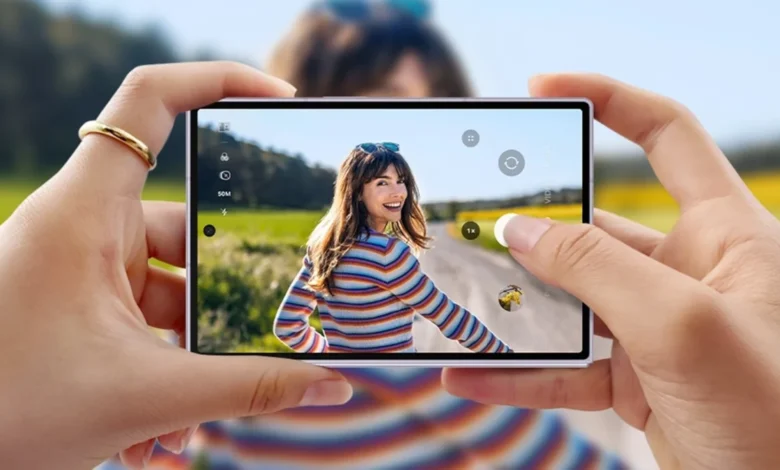
Samsung’s 2026 refresh of its smartphone lineup has introduced a compelling dichotomy for consumers, highlighted by the debut of the entirely new Samsung Galaxy Z Fold 8 alongside the conventional yet refined Galaxy S26. While both devices represent the pinnacle of Samsung’s engineering prowess, they cater to distinct user needs and philosophies, embodying different visions for the future of mobile technology. The Galaxy Z Fold 8, despite inheriting its name from the previous year’s Galaxy Z Fold 7, marks a significant design departure, presenting a smaller, stockier, and wider form factor that fundamentally alters its ergonomic and functional proposition. This radical shift sets it apart not only from its direct predecessor but also from the more traditional Galaxy S26, which continues Samsung’s legacy of compact, high-performance flagships. For prospective buyers navigating the increasingly complex smartphone market, understanding the nuances between these two premium devices is crucial before making a substantial investment.
The release of the Galaxy S26 earlier in 2026 established a benchmark for conventional smartphone excellence, offering a familiar yet optimized user experience. Its successor, the Z Fold 8, arriving later in the year, seeks to push boundaries, albeit with a substantial premium attached. This dual-pronged strategy from Samsung reflects a broader industry trend where manufacturers are experimenting with innovative form factors while simultaneously refining established designs. The decision to invest in either the S26 or the Z Fold 8 hinges on a user’s priorities, whether they seek cutting-edge adaptability or streamlined reliability.
Design Evolution and Display Innovation: A Tale of Two Philosophies
The most immediate and striking difference between the Galaxy Z Fold 8 and the Galaxy S26 lies in their fundamental design and display architecture. The Galaxy S26 embraces the tried-and-true monoblock design, featuring a single, conventional 6.3-inch Dynamic AMOLED 2X display. This display technology is renowned for its vibrant colors, deep blacks, and exceptional brightness, offering an immersive viewing experience for media consumption, gaming, and everyday tasks. Its compact size makes the S26 an ideal choice for users prioritizing single-handed operation and pocketability, maintaining a delicate balance between screen real estate and ergonomic comfort.
In stark contrast, the Galaxy Z Fold 8 is a testament to Samsung’s ongoing commitment to foldable technology. It boasts a dual-display setup, comprising a 5.5-inch cover display for quick interactions when folded and a expansive 7.6-inch internal display that unfolds to transform the device into a compact tablet. This internal display offers significantly more screen real estate, unlocking unprecedented multitasking capabilities and an enhanced experience for productivity, document editing, and immersive media viewing. Both devices support an adaptive refresh rate of up to 120Hz, ensuring buttery-smooth scrolling and responsive interactions. This dynamic refresh rate intelligently adjusts based on content, optimizing battery life by scaling down to lower frequencies when static images are displayed.
The Z Fold 8’s redesigned form factor, being "smaller, stockier, and wider" than previous Fold models, addresses common feedback regarding the narrowness of the cover screen and the overall unwieldiness of the unfolded device. This revision aims to make the cover screen more usable for typing and general smartphone interactions without requiring constant unfolding, while the wider internal display enhances the tablet-like experience. This iterative design improvement reflects Samsung’s continuous efforts to refine the foldable concept, moving beyond mere novelty towards genuine functional enhancement.
Dimensions, Weight, and Durability: Engineering for Resilience
Physical dimensions and durability are critical considerations, especially for devices designed for daily use. The Galaxy S26, with its conventional build, measures a mere 7.2mm thick and weighs a light 167 grams, making it one of the more svelte flagships on the market. This slim profile and low weight contribute significantly to its comfortable handling and portability.
The Galaxy Z Fold 8, by its very nature, presents a more complex profile. When unfolded, it achieves an impressive slimness of just 4.5mm, a marvel of engineering. However, when folded, its thickness increases, and it carries a weight of 201 grams. While heavier than the S26, this weight is still commendable for a device housing two displays and a sophisticated hinge mechanism. Samsung has made significant strides in addressing the historical durability concerns associated with foldable smartphones. The Z Fold 8 incorporates a redesigned hinge, which is crucial for both the longevity and user experience of a foldable device. This new hinge aims to reduce the visible crease, enhance resistance to dust ingress, and provide a more robust folding action. Furthermore, two titanium layers are strategically placed underneath the folding display, offering enhanced structural integrity and protection against impacts. The exterior benefits from Gorilla Glass Ceramic 3 on the front cover display, a material known for its superior scratch and drop resistance compared to traditional glass.
Despite these advancements, the Galaxy S26 maintains a significant advantage in terms of environmental protection. It boasts a robust IP68 rating, signifying complete dust resistance and the ability to withstand immersion in up to 1.5 meters of fresh water for 30 minutes. The Galaxy Z Fold 8, while improved, carries an IP48 rating. While this indicates resistance to solid particles (like dust) and some water splashes, it does not offer the same level of immersion protection as the S26. This distinction is vital for users whose lifestyles or professions expose their devices to harsher conditions, where the S26 provides a more reassuring level of resilience.
Performance, Cameras, and Battery: Powering Distinct Experiences
Beneath their differing exteriors, both the Galaxy Z Fold 8 and Galaxy S26 share a common core of high-performance hardware, particularly in the critical processing department. In the U.S. market, both smartphones are powered by Qualcomm’s latest flagship system-on-a-chip, the Snapdragon 8 Elite Gen 5. This processor represents the pinnacle of mobile computing, offering significant improvements in CPU and GPU performance, enhanced AI capabilities, and superior power efficiency compared to previous generations. This ensures that both devices can handle the most demanding applications, graphically intensive games, and complex multitasking scenarios with ease and fluidity.
When it comes to memory and storage, Samsung offers tailored configurations. The Galaxy S26 is available with 12GB of RAM, paired with storage options of 256GB and 512GB. These specifications are more than ample for most users, providing smooth operation and sufficient space for apps, photos, and videos. The Galaxy Z Fold 8, catering to a potentially more power-user demographic, offers greater flexibility. It starts with 256GB and 512GB options, both equipped with 12GB of RAM. For those requiring absolute maximum performance and storage, a top-tier 1TB variant is available, which notably ships with an even more generous 16GB of RAM. This higher RAM capacity provides an edge for extreme multitasking, running multiple demanding applications simultaneously, and ensuring future-proofing for increasingly complex mobile software.
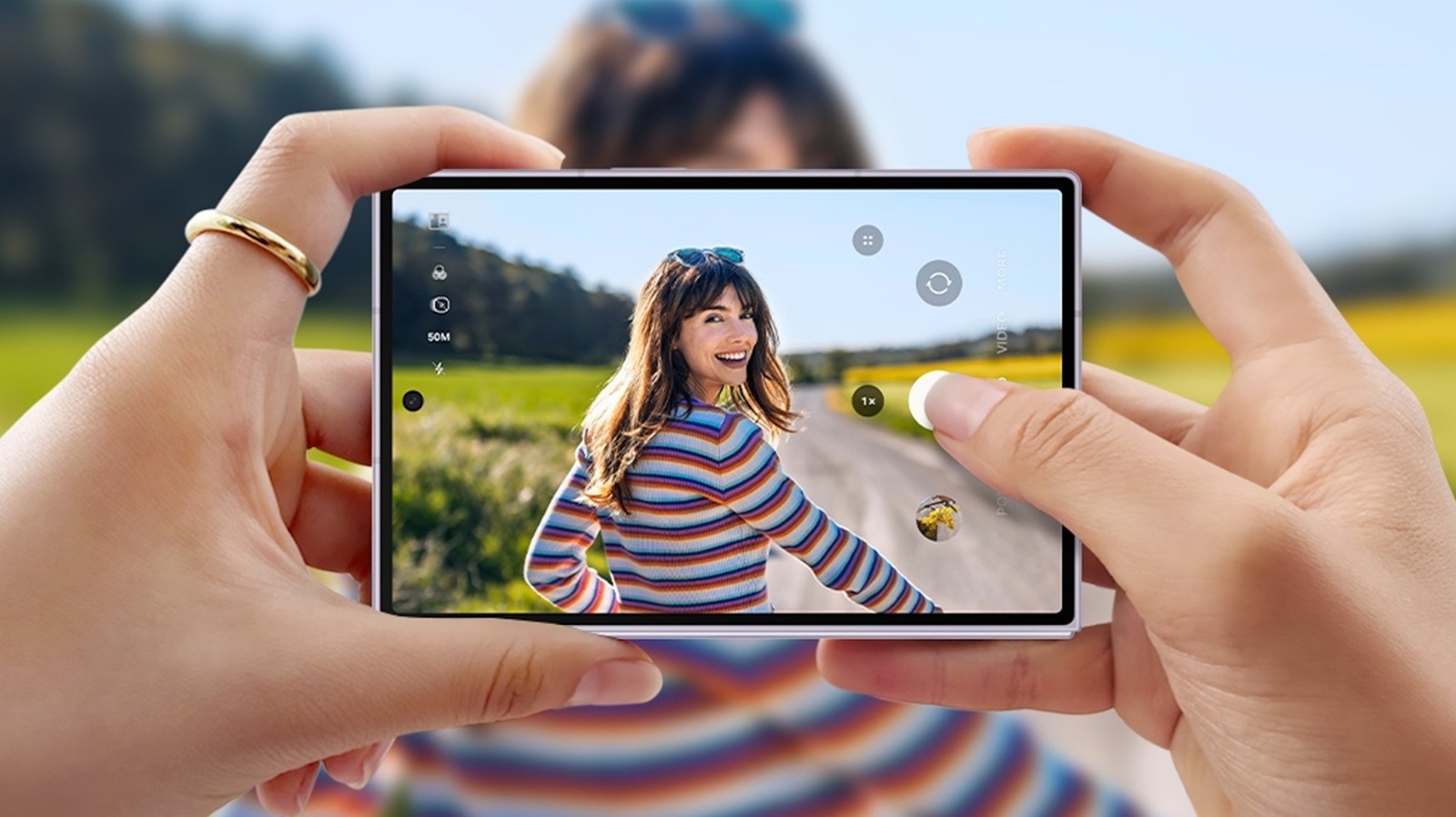
The camera systems, however, reveal another divergence based on the devices’ intended use. The Galaxy S26 features a traditional and highly versatile triple-camera setup: a 50MP main camera, a 12MP ultrawide camera, and a 10MP telephoto lens with 3x optical zoom. This configuration is a proven performer, offering excellent image quality across various scenarios, from sweeping landscapes to detailed portraits and distant subjects. The 3x optical zoom, complemented by up to 30x digital zoom, provides substantial photographic flexibility, making the S26 a strong contender for those who frequently rely on their smartphone for diverse photography needs, including long-range shots.
The Galaxy Z Fold 8, while also featuring impressive camera hardware, takes a slightly different approach. It includes dual 50MP wide and ultrawide cameras. Conspicuously absent is a dedicated telephoto camera, a decision likely influenced by the complex internal architecture required for the foldable design. Instead, Samsung advertises up to 10x digital zoom on the Fold 8. While digital zoom has improved significantly with computational photography, it inherently relies on cropping and software enhancement, which cannot fully replicate the clarity and detail of optical zoom. Therefore, for photographers whose exploits regularly involve capturing subjects at a distance, the S26 emerges as the more versatile and capable option. This trade-off in the camera department is a clear indication of the compromises inherent in pioneering form factors.
Battery life is a critical aspect for any smartphone, and here, the raw numbers tell only part of the story. The Samsung Galaxy Z Fold 8 is equipped with a 4,800mAh battery, which is nominally larger than the 4,300mAh unit found in the Galaxy S26. However, the Fold 8’s battery faces a more demanding task: powering two displays, with the main internal display being substantially larger than the S26’s single screen. The power consumption of a large, high-refresh-rate foldable display, especially when actively used for multitasking, can be considerable. Samsung rates the Fold 8 for up to 26 hours of video playback, a respectable figure. Yet, the S26, with its smaller, single screen and conventional form factor, possesses an inherent efficiency advantage under many usage patterns. While optimized software and the Snapdragon 8 Elite Gen 5’s power efficiency will play a significant role, real-world battery performance for the Fold 8 will depend heavily on the user’s ratio of cover screen to main screen usage.
The $1,000 Question: Which Flagship Reigns Supreme for You?
The decision between the Samsung Galaxy S26 and the Galaxy Z Fold 8 ultimately boils down to a fundamental question of value, utility, and budget, often with a significant price differential. The feature-loaded Galaxy S26 launched in the U.S. at a competitive price of $899.99 for the 256GB model, a price point that often sees further reductions through various retailers, discounts, and carrier offers. This positions the S26 as a premium flagship that delivers exceptional performance and features without venturing into the ultra-luxury segment.
In stark contrast, the Galaxy Z Fold 8 commands a significantly higher premium. The base 256GB variant starts at a staggering $1,899.99, making it precisely $1,000 more expensive than the S26 before any discounts, trade-ins, or carrier promotions are factored in. Opting for the 512GB variant further elevates the price to $2,099.99, while the top-of-the-line 1TB version, with its enhanced RAM, reaches an eye-watering $2,499.99. These prices firmly place the Z Fold 8 in the ultra-premium, niche market, targeting early adopters and those for whom the foldable form factor offers irreplaceable utility.
From a pure price-to-performance perspective, the Samsung Galaxy S26 presents an undeniable value proposition. It is far from a lesser device, packing the same cutting-edge Snapdragon 8 Elite Gen 5 processor in the U.S., the same ample 12GB of RAM (in its base configuration), and a more versatile rear camera setup that includes dedicated optical zoom. Furthermore, it is 34 grams lighter, contributing to better ergonomics for prolonged use, and boasts a superior IP68 dust and water resistance rating, offering greater peace of mind against environmental hazards. All of this comes at less than half the cost of its foldable counterpart. For the vast majority of smartphone users seeking a reliable, powerful, and durable flagship experience, the S26 is undeniably the more sensible and economically sound choice.
However, the existence and premium pricing of the Galaxy Z Fold 8 are not without justification. Its unique form factor is inherently captivating, guaranteed to turn heads and spark conversations. Beyond the novelty, the phone’s internal display fundamentally redefines the mobile experience. It makes the device far better suited for intensive multitasking, reviewing and editing documents, browsing complex websites, enjoying videos on a larger canvas, and running multiple applications simultaneously in a highly productive split-screen environment. Samsung has meticulously optimized the Fold 8’s larger display for side-by-side productivity, enhancing the capabilities of its One UI software for the foldable paradigm. Features like Samsung DeX, which transforms the phone into a desktop-like computing experience when connected to an external display, remain a powerful tool for both devices. A notable point, however, is the continued absence of S-Pen support for the Galaxy Z Fold 8, a feature that many productivity-focused users of Samsung’s Note and S Ultra series have come to rely on for precise input and note-taking. This omission might be a deal-breaker for some potential buyers looking for a complete tablet replacement.
Strategic Vision: Samsung’s Dual Flagship Approach
Samsung’s strategy of maintaining two distinct flagship lines – the conventional S-series and the innovative Z Fold series – reflects a nuanced understanding of the evolving smartphone market. The S-series, exemplified by the Galaxy S26, serves as the company’s mainstream workhorse, appealing to a broad demographic seeking reliability, top-tier performance, and a familiar user experience. It continues to be Samsung’s volume driver in the premium segment, competing directly with traditional flagships from rivals like Apple and Google.
The Z Fold series, on the other hand, is Samsung’s vanguard of innovation. It represents a commitment to pushing the boundaries of mobile form factors, exploring new paradigms for interaction and productivity. The Z Fold 8 is positioned not just as a smartphone, but as a device that can genuinely blur the lines between a phone and a small tablet, offering a converged experience. This segment, while smaller, is crucial for Samsung’s brand image as an innovator and for capturing the loyalty of early adopters and tech enthusiasts who are willing to pay a premium for cutting-edge technology. Industry analysts project continued growth in the foldable market, and Samsung, as a pioneer in this space, is strategically positioned to capitalize on this expansion. The evolution of the Fold series, with each generation addressing previous limitations, demonstrates Samsung’s long-term vision for foldables to become a more mainstream category.
Conclusion: The Consumer’s Dilemma and Future Implications
In simple terms, for the majority of buyers, the Galaxy S26 remains the more sensible, practical, and economically advantageous choice. It offers an unparalleled conventional smartphone experience, balancing power, camera versatility, durability, and a comfortable form factor at a price point that, while premium, is significantly more accessible.
The Galaxy Z Fold 8, however, carves out its own niche. It makes eminent sense if a buyer specifically desires a single device capable of replacing both a conventional smartphone and, to a significant extent, a small tablet. Its ability to transform, offering an expansive display for enhanced productivity and immersive media, is its defining feature and primary allure. The critical question for prospective buyers then becomes whether this transformative capability, coupled with the unique aesthetics and enhanced multitasking potential, justifies the additional $1,000 (or more) investment. It’s a choice between established excellence and groundbreaking innovation, between practicality and a glimpse into the future of mobile computing. As the foldable market matures and production costs potentially decrease, the accessibility of devices like the Z Fold 8 may improve, but for 2026, it remains a premium proposition for a select group of users ready to embrace the cutting edge.