Valve’s Grim Outlook on Hardware Costs: The Steam Machine Faces Supply Chain Headwinds Amidst AI Boom and Memory Price Surges


The dream of building a budget-friendly gaming PC has become an increasingly distant prospect for many enthusiasts, with the current landscape dominated by soaring component prices. While the allure of cutting-edge graphics cards, high-capacity SSDs, and ample RAM is undeniable, the escalating demand, significantly fueled by the artificial intelligence boom, has pushed the cost of assembling a powerful gaming rig to prohibitive levels. For those who have been patiently awaiting a market correction, Valve’s recent insights into the hardware supply chain offer little comfort, painting a picture of continued price hikes in the short to medium term.
The AI Factor and the Memory Market Crunch
The insatiable appetite of AI development for powerful processors and graphics cards has been a primary driver behind the current hardware scarcity and associated price inflation. These advanced chips, crucial for training complex AI models, are often the same components that gamers seek for high-performance gaming. This dual demand has created a significant strain on manufacturing capacity and component availability.
Adding to this pressure is the projected surge in memory prices. Recent research indicates a steep upward trend in the cost of RAM, with predictions of a rise as much as 50% in the third quarter of the current year. This upward trajectory is not expected to abate until 2028, suggesting that gamers will likely face higher memory costs for an extended period. This prolonged increase in memory prices will inevitably impact the overall cost of PC builds, further exacerbating the affordability crisis for consumers.
Valve’s Perspective: A Bleak Forecast for Hardware Affordability
Valve, the titan behind the Steam platform and the ambitious Steam Machine initiative, has shared its own somber assessment of the hardware market. In a recent discussion with Bloomberg’s Jason Schreier, Valve engineer Yazan Aldehayyat articulated a decidedly pessimistic outlook on component pricing. Aldehayyat stated, "Honestly, it’s still getting worse." He further elaborated on the lag between the observable market and the actual supply chain realities, noting, "What people are seeing on retail shelves right now, from our observations, is lagging what we’re seeing from a bulk supply by at least three to six months." This indicates that the price increases consumers are currently experiencing may not fully reflect the underlying supply constraints, suggesting that further price hikes are likely as the market catches up.
The Steam Machine’s Rocky Road to Market
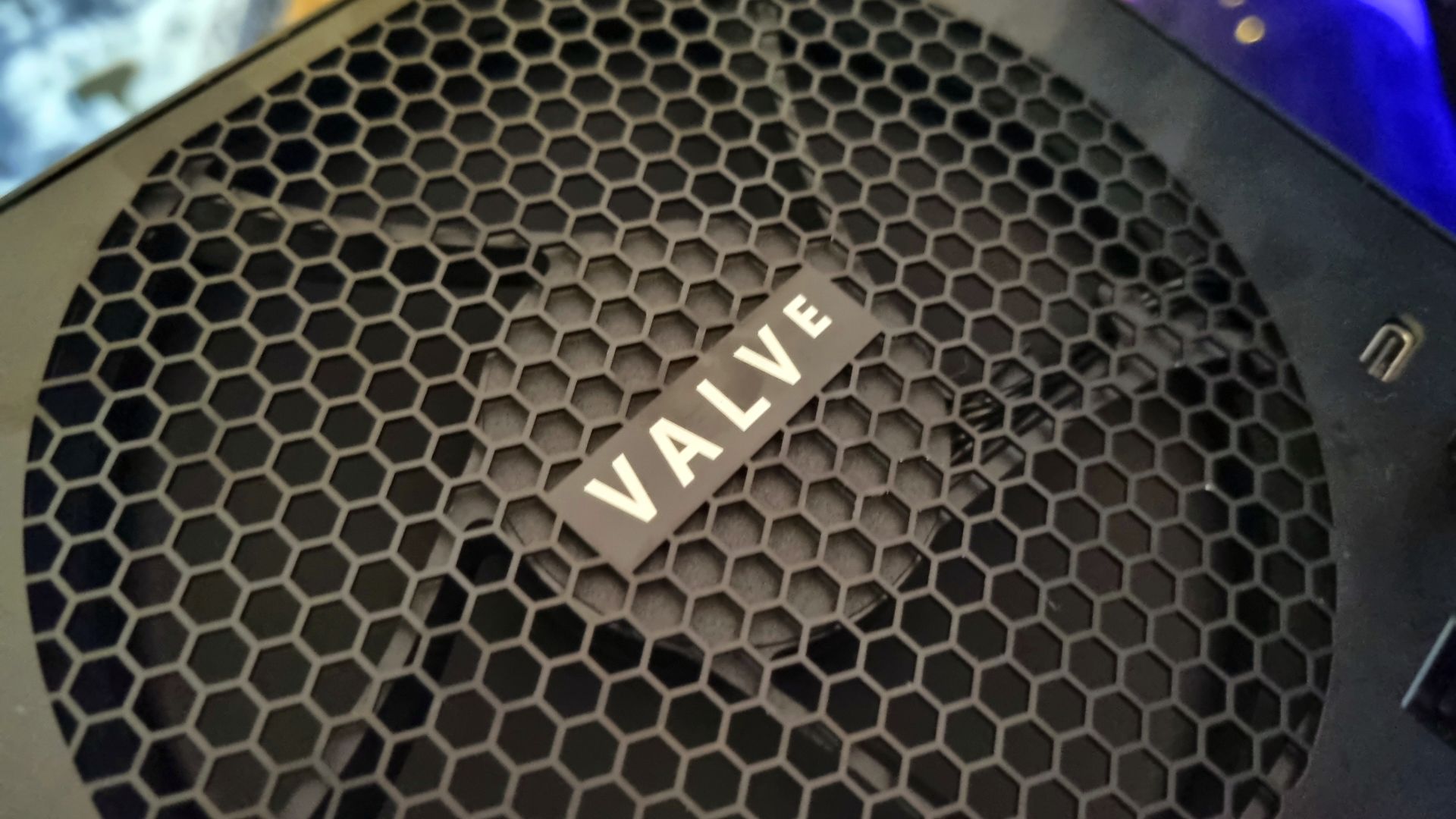
The insights into the hardware market emerged during a retrospective discussion about the Steam Machine, Valve’s venture into the living room PC gaming space. The development and launch of the Steam Machine, which initially aimed to bring PC gaming to the console-like experience of a television, were significantly hampered by the very supply chain issues that persist today.
Pierre-Loup Griffais, another engineer at Valve, revealed the extent to which memory availability impacted the production of the Steam Machine. "We’re basically building everything we can," Griffais explained. "We’re limited by memory capacity, for sure." This admission underscores the profound effect that component shortages can have on even well-established technology companies and their product launches. The struggle to secure sufficient memory modules directly constrained Valve’s ability to manufacture and distribute the Steam Machine in the quantities they desired, impacting its initial market penetration and availability.
Redefining Success: Beyond Sales Figures for the Steam Machine
While Valve did not disclose specific sales or production figures for the Steam Machine, the company’s perspective on the device’s success transcends traditional metrics. According to Bloomberg, Valve does not measure the success of the Steam Machine solely by its commercial sales performance. Instead, the company views its primary objective as providing gamers with a viable and open platform for enjoying PC gaming experiences within the comfort of their living rooms.
Aldehayyat articulated this unique definition of success: "We suspect that the Steam Machine is a really good way to solve a very real problem that people have. If that’s borne out to be true, from our opinion, it’s a success." This philosophical approach suggests that Valve prioritizes the impact and utility of the Steam Machine as an alternative to proprietary console ecosystems, valuing the user experience and the advancement of open-source gaming solutions.
Despite the ongoing hardware challenges, Griffais confirmed that the memory crisis has not derailed Valve’s long-term strategy for the Steam Machine. "Users are getting their machines," he stated. "For a lot of the experience, the work starts. We’ll be doing that for years to come." This indicates a continued commitment to supporting and developing the platform, suggesting that Valve sees a future for PC gaming in the living room, regardless of short-term supply chain disruptions.
Strategic Exclusivity: The Power of the Entire PC Catalog
Beyond the supply chain woes, the discussion with Valve also shed light on the company’s strategic decisions regarding game exclusivity for the Steam Machine. Contrary to expectations that a new hardware launch might be accompanied by a flagship exclusive title, Valve revealed its preference for a different approach.
The company opted against launching a dedicated exclusive game, instead expressing a desire to leverage the vast and diverse existing PC gaming catalog as the Steam Machine’s primary draw. Valve’s engineers indicated that their ambition was "to have the whole PC catalog" serve as the platform’s "launch exclusive." This strategy emphasizes the open nature of PC gaming, where a wide array of titles, spanning genres and developers, are accessible. This approach stands in stark contrast to the console market’s reliance on exclusive titles to drive hardware sales and platform loyalty. By embracing the entirety of the PC gaming library, Valve aimed to present the Steam Machine as a gateway to an established and expansive ecosystem, rather than a platform reliant on a single, bespoke experience.
Broader Implications for the Gaming Hardware Market
The insights from Valve, coupled with broader industry trends, suggest a challenging period ahead for PC gamers seeking affordable hardware. The confluence of the AI boom’s demand for high-end components and the ongoing memory price surge creates a perfect storm of rising costs. This situation has significant implications:
- Extended Affordability Crisis: The prediction that memory prices will remain elevated until 2028 suggests that the current high cost of building a PC is not a temporary blip. This prolonged period of inflated prices could deter new entrants to PC gaming and force existing enthusiasts to delay upgrades.
- Shifting Market Dynamics: The increased cost of DIY PC building may lead more consumers to consider pre-built gaming PCs, despite their often higher price points, or to explore alternative gaming platforms like consoles.
- Innovation and Supply Chain Resilience: The challenges faced by companies like Valve highlight the critical importance of robust and resilient supply chains. The industry may see increased investment in diversifying manufacturing, exploring alternative component sourcing, and developing more efficient production processes.
- The Future of Open Platforms: Valve’s continued commitment to the Steam Machine, despite its challenges, underscores the enduring appeal of open gaming platforms. The company’s focus on providing choice and accessibility may continue to influence the broader gaming landscape, even as market forces present significant hurdles.
As the artificial intelligence revolution continues to reshape technological demands, the gaming hardware market finds itself at a critical juncture. Valve’s candid assessment serves as a stark reminder that the path to affordable, high-performance gaming remains fraught with complexities, influenced by global economic forces and technological advancements far beyond the immediate realm of game development. The coming years will undoubtedly test the resilience of both manufacturers and consumers in navigating this evolving landscape.