Tim Cook Announces Departure as Apple CEO, John Ternus Named Successor, Ushering in a New Era for Tech Giant

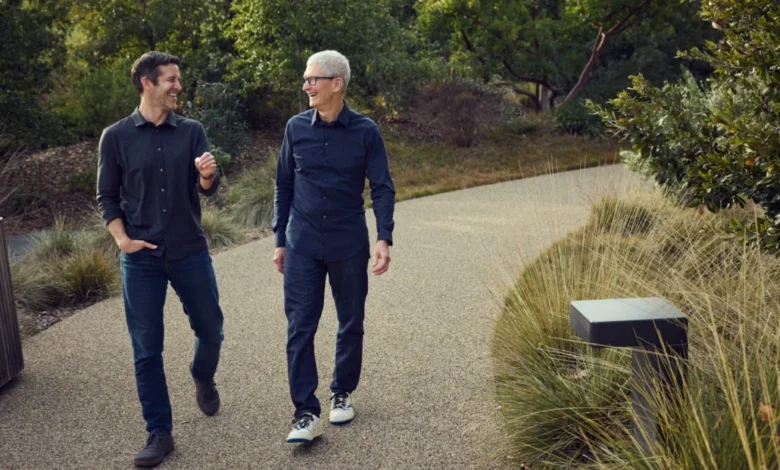
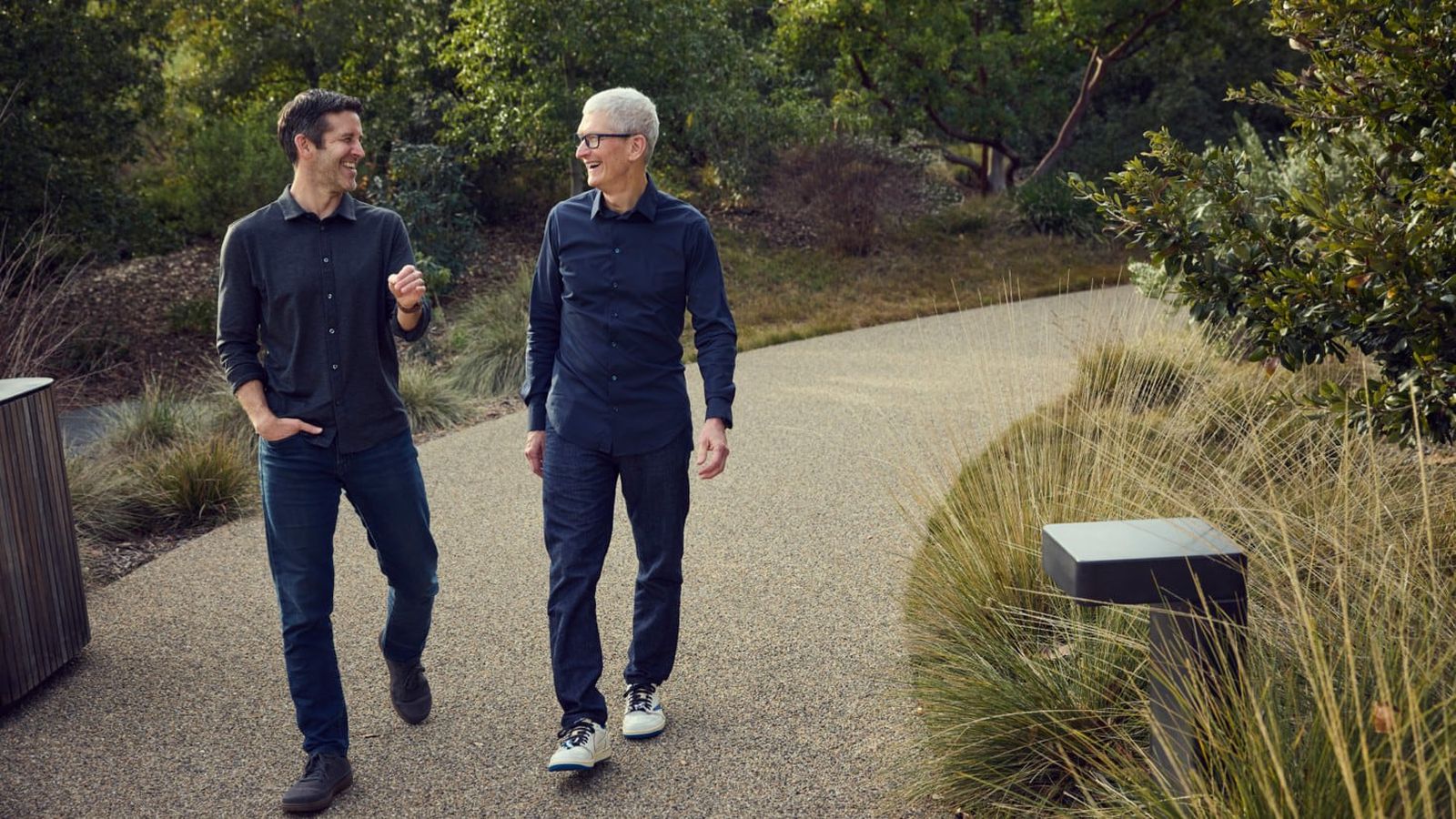
Apple CEO Tim Cook is set to conclude his impactful tenure at the helm of the world’s most valuable company on September 1, 2026, transitioning to a new role as Executive Chairman. This significant leadership change will see John Ternus, Apple’s current Senior Vice President of Hardware Engineering, ascend to the position of CEO, marking a pivotal moment in the Cupertino-based technology giant’s history. The announcement, made on Monday, April 20, 2026, came alongside a deeply personal letter from Cook to the global Apple community, reflecting on his journey and expressing profound gratitude.
A Farewell Letter and a Vote of Confidence
In his letter, published on Apple’s official website, Cook shared an intimate glimpse into his daily routine and the profound connection he feels with Apple users worldwide. "For the past 15 years I’ve started just about every morning the same way. I open my email and I read notes I received the day before from Apple’s users all over the world," Cook wrote, emphasizing the personal stories and feedback that have fueled his dedication. He recounted instances where Apple products, from the life-saving capabilities of the Apple Watch to the creative potential of the Mac, have deeply impacted users’ lives. "In every one of those emails I feel the beating heart of our shared humanity. I feel a sense of deepening obligation to work harder and push further. But most of all, I feel a gratitude that I cannot put into words," he stated, highlighting the immense honor and privilege he felt leading a company that "ignites imaginations and enriches lives."
Cook’s letter also served as an emphatic endorsement of his successor. He described Ternus as "a brilliant engineer and thinker who has spent the past 25 years building the Apple products our users love so much, obsessed with every detail, focused on every possible way we can make something better, bolder, more beautiful, and more meaningful. He is the perfect person for the job." Cook further lauded Ternus’s character, asserting, "John cares so much about who we are at Apple, what we do at Apple, who we reach at Apple, and he has the heart and character to lead with extraordinary integrity. I am so proud to call him Apple’s next CEO." The outgoing CEO expressed immense confidence in Ternus’s ability to lead Apple to "incredible heights," promising that users would "feel his impact in every bit of delight and discovery that grows out of the products and services to come."
The letter concluded with a heartfelt personal thank you: "This is not goodbye. But at this moment of transition, I wanted to take the opportunity to say thank you. Not on behalf of the company… But simply on behalf of me. Tim. A person who grew up in a rural place in a different time and, for these magical moments, got to be the CEO of the greatest company in the world." His words underscored a deep appreciation for the confidence, kindness, and belief shown by the Apple community throughout his leadership.
Tim Cook’s Enduring Legacy: A Decade and a Half of Unprecedented Growth
Tim Cook’s journey to the pinnacle of Apple leadership began long before his CEO appointment. He joined Apple in 1998, recruited by Steve Jobs as Senior Vice President for Worldwide Operations. His initial mission was to streamline Apple’s notoriously inefficient supply chain, a task he executed with unparalleled precision. Cook’s operational genius was instrumental in transforming Apple from a company struggling with logistics into a lean, highly efficient global powerhouse. His ability to manage inventory, negotiate with suppliers, and ensure timely product delivery became a cornerstone of Apple’s success, directly contributing to the company’s financial resurgence in the early 2000s.
By 2007, the year the original iPhone launched, Cook had risen to Chief Operating Officer, a role that positioned him as Jobs’s indispensable right-hand man. He frequently stepped in to manage the company during Jobs’s medical leaves, demonstrating a steady hand and a clear vision for operational excellence. When Steve Jobs resigned as CEO in August 2011, just weeks before his passing, he personally recommended Cook as his successor, a testament to the profound trust and respect between the two leaders.
Assuming leadership of Apple in the shadow of its iconic co-founder was an unenviable task, met with considerable skepticism from the industry and media. Many questioned whether Cook, known for his operational prowess rather than product design flair, could maintain Apple’s innovative edge. Yet, under Cook’s leadership, Apple not only maintained but dramatically expanded its influence and financial might.
Key Milestones and Achievements under Cook’s Leadership:
- Financial Superlatives: Cook steered Apple to become the world’s first publicly traded company to reach a $1 trillion market capitalization in 2018, followed by $2 trillion in 2020, and subsequently surpassing $3 trillion in 2022. The company’s stock price experienced phenomenal growth, delivering immense returns to shareholders.
- Product Innovation and Expansion: While some critics initially claimed a lack of "Jobsian" revolutionary products, Cook oversaw the launch and massive success of entirely new product categories. The Apple Watch, introduced in 2015, revolutionized the wearables market, becoming the world’s best-selling smartwatch. AirPods, released in 2016, redefined wireless audio and became a cultural phenomenon. Beyond these, Cook successfully diversified Apple’s product portfolio, maintaining the dominance of the iPhone, iPad, and Mac lines while pushing into new frontiers.
- Services Transformation: Perhaps Cook’s most strategic shift was the aggressive expansion of Apple’s services division. Recognizing the immense potential beyond hardware sales, he championed the growth of Apple Music, Apple TV+, Apple Arcade, iCloud, and the App Store. This pivot transformed Apple into a recurring revenue powerhouse, significantly boosting its profitability and reducing its reliance solely on product cycles. By 2026, the services segment accounted for a substantial and growing portion of Apple’s overall revenue.
- Environmental Leadership: Cook positioned Apple as a leader in environmental stewardship. Under his direction, Apple committed to ambitious goals, including powering all its global operations with 100% renewable energy, achieving carbon neutrality across its entire supply chain and product lifecycle by 2030, and pioneering closed-loop recycling initiatives.
- Privacy Advocacy: Cook became a vocal advocate for user privacy, often taking a strong stance against government surveillance and data exploitation by other tech companies. This commitment resonated with users and solidified Apple’s reputation as a company that prioritizes its customers’ digital rights.
- Social Impact and Diversity: Beyond business, Cook used Apple’s platform to advocate for various social causes, including LGBTQ+ rights, racial justice, and education. His personal coming out in 2014 made him the first openly gay CEO of a Fortune 500 company, a powerful statement for diversity and inclusion.
John Ternus: The Engineer at the Helm
John Ternus, 51, steps into the CEO role with a quarter-century of experience embedded deeply within Apple’s product development culture. A graduate of the University of Pennsylvania, Ternus joined Apple in 1997, just prior to Steve Jobs’s return, and quickly distinguished himself as a highly capable engineer. His career trajectory at Apple has been characterized by a steady ascent through the hardware division, working on virtually every major product line.
Before his promotion to Senior Vice President of Hardware Engineering in 2021, Ternus served as Vice President of Hardware Engineering, overseeing critical projects for the iPhone, iPad, Mac, and Apple Watch. He played a crucial role in the development of many of Apple’s most significant innovations, including the transition of the Mac to Apple Silicon and the development of cutting-edge camera technologies across Apple’s device ecosystem. His work on the Apple Vision Pro, which had its full commercial rollout in 2025, was also widely noted, demonstrating his leadership in a groundbreaking new product category.
Industry analysts and insiders have consistently described Ternus as a "well-liked" and highly respected figure within Apple. A Bloomberg Businessweek profile in March 2026, which identified him as a leading candidate for the CEO role, highlighted his reputation for meticulous attention to detail and his instrumental role in reversing what some perceived as a period of "declining product quality" in the mid-2010s. His focus on engineering excellence and user experience aligns perfectly with Apple’s core ethos. His appointment signals a return to an engineering-first leadership style, reminiscent of Steve Jobs, yet tempered by Cook’s emphasis on operational rigor and ethical leadership. The Board of Directors’ unanimous decision to appoint Ternus underscores their confidence in his vision and capabilities to lead Apple into its next chapter of innovation.
The Executive Chairman Role: Continuity and Strategic Guidance
Tim Cook’s transition to Executive Chairman ensures a smooth leadership handover and provides a crucial layer of continuity for Apple. In this new capacity, Cook will continue to advise the company on strategic initiatives, provide mentorship to Ternus, and maintain relationships with key stakeholders, including investors and global governments. This model allows Apple to leverage Cook’s unparalleled experience and institutional knowledge while empowering Ternus to forge his own path as CEO. The arrangement is designed to reassure investors that the transition will be managed carefully, preserving Apple’s stability and long-term vision.
Broader Implications for Apple and the Tech Industry
The leadership transition at Apple carries significant implications, not only for the company itself but for the broader technology landscape.
- Strategic Direction: While Ternus is expected to maintain Apple’s core values and strategic pillars, including a relentless focus on innovation, design, and user experience, his leadership may bring subtle shifts. Given his hardware background, there could be a renewed emphasis on groundbreaking physical products, potentially accelerating development in areas like augmented reality, artificial intelligence integration, and new device categories beyond the Vision Pro.
- Innovation Cycle: The market will closely watch how Ternus influences Apple’s innovation cycle. His engineering expertise could lead to even more ambitious technical challenges and breakthroughs in core product lines and emerging technologies.
- Corporate Culture: Ternus’s reputation as a collaborative and well-liked leader suggests a continuation of the positive, inclusive culture fostered by Cook, albeit with his own distinct leadership style. Maintaining Apple’s unique blend of intense pressure and creative freedom will be key to retaining top talent.
- Investor Confidence: The structured transition, with Cook remaining as Executive Chairman, is likely to mitigate any immediate market anxieties. Analysts generally view internal succession positively, signaling stability and a deep bench of leadership talent. However, Ternus will face the ongoing challenge of sustaining Apple’s monumental growth, navigating increasing regulatory scrutiny globally, and competing in an ever-evolving tech market.
- The Post-Cook Era: Tim Cook’s departure marks the end of an extraordinary era during which Apple transformed from a tech giant into a cultural and economic phenomenon. His legacy is one of strategic foresight, unwavering ethical leadership, and unprecedented financial success. As John Ternus steps into this monumental role, the tech world will be watching to see how he builds upon this formidable foundation, charting a course for Apple’s future in an increasingly complex and competitive global arena. The transition represents not just a change in leadership, but a symbolic passing of the torch, signaling Apple’s readiness for its next phase of evolution and impact.