The MacRumors Show Previews iPhone 18 Lineup iPhone Air 2 and Spring 2027 Releases


Apple’s product roadmap for early 2027 is coming into sharper focus, bringing a flurry of anticipated hardware updates that will reshape the company’s smartphone portfolio. On the latest episode of The MacRumors Show, industry analysts and hosts dissected the emerging details surrounding the upcoming iPhone 18, the value-focused iPhone 18e, and the second-generation iPhone Air 2. These devices are slated to complete Apple’s split-launch strategy, arriving on the heels of the fall 2026 rollout of the iPhone 18 Pro, iPhone 18 Pro Max, and the innovative iPhone Duo.
As the supply chain prepares for mass production, leaks, dummy models, and analyst reports have provided a comprehensive look at what consumers can expect from Cupertino in the coming months. From architectural redesigns to shifts in memory configurations and camera layouts, Apple is poised to address several criticisms leveled against its previous generation of devices while pushing deeper into advanced mobile processing and connectivity.
The Evolution of the iPhone Air 2: Addressing Early Flaws
The original iPhone Air generated significant industry buzz due to its ultra-thin form factor, but it ultimately faced weaker-than-expected commercial demand. Critics and consumers pointed to compromises in battery life and a rear camera system that lagged behind cheaper standard models as primary deterrents. Apple appears ready to rectify these missteps with the iPhone Air 2, slated for a release shortly after the initial spring hardware wave.
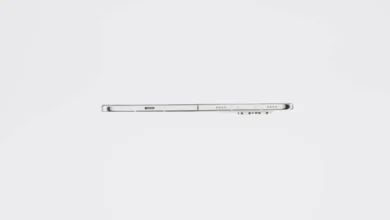
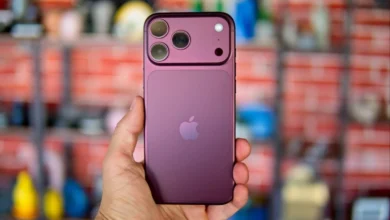
Leaked dummy models indicate that the most prominent physical upgrade to the iPhone Air 2 will be the integration of a dual-lens rear camera array. A new 48-megapixel Ultra Wide camera is expected to join the existing Fusion camera, with both lenses arranged horizontally across an elevated camera plateau. This adjustment directly addresses the aesthetic and functional drawback of the first-generation model, which featured only a single rear camera despite its premium branding.
Under the hood, the iPhone Air 2 is rumored to receive a substantial performance boost courtesy of the A20 Pro chip, paired with vapor chamber cooling to manage thermal output in such a slim chassis. Battery capacity is also projected to see an 11% increase, growing to approximately 3,500mAh. While earlier supply chain whispers suggested Apple might employ a thinner and brighter display technology to accommodate this larger power cell, more recent consensus indicates that the company will retain the current display specifications to utilize existing OLED panel inventory effectively.
Additional hardware inclusions reported by analysts like Jeff Pu point to the device maintaining its 6.5-inch display footprint, 12GB of memory, and an 18-megapixel Center Stage front-facing camera. Furthermore, the handset is expected to adopt Apple’s proprietary C2 modem and N2 wireless chip. To stimulate sales and better differentiate the device from the Pro lineup, Apple is reportedly considering a more aggressive price point for the iPhone Air 2, making its ultra-slim design accessible to a broader consumer base.
The Standard iPhone 18 and iPhone 18e: Continuity and Power
While the iPhone Air 2 undergoes notable structural changes, the standard iPhone 18 is expected to preserve much of the design language established by its predecessor. Retaining a 6.3-inch display and a dual-lens rear camera system, the base model will focus its upgrades on internal hardware improvements.
At the center of the standard iPhone 18 and the budget-oriented iPhone 18e is the new A20 chip, manufactured using an advanced 2nm process. This manufacturing node is anticipated to yield significant gains in both processing power and energy efficiency. Memory configurations, however, remain a subject of debate among industry analysts. Ming-Chi Kuo predicts a 9GB RAM allocation for the base iPhone 18, whereas Jeff Pu maintains that the device will ship with 12GB of RAM and a smaller Dynamic Island cutout.
The distinction in memory capacity carries substantial implications for software functionality. Industry observers note that a 9GB configuration could potentially fall short of the hardware thresholds required to run advanced on-device dictation features and high-end vocal expressiveness controls for Siri under future iterations of iOS. Meanwhile, internal diagrams suggest that both the standard iPhone 18 and the iPhone 18e could share a robust 4,430mAh battery, facilitated by internal redesigns of the speaker and haptic engine spaces on the base model.
The iPhone 18e, positioned as Apple’s entry-level offering, is also in line for the A20 chip and a 9GB RAM allocation. However, it will likely retain a standard 60Hz display refresh rate and a single 48-megapixel rear camera. Reports indicate that its exterior appearance may be refreshed with a redesigned iPad Pro-style camera housing that groups the lens, microphone, and flash into a unified module, alongside a potential display size increase from 6.1 inches to 6.3 inches.
The Split-Launch Strategy and Spring 2027 Timeline
Apple’s departure from a unified September hardware event has matured into a calculated split-launch strategy. By reserving the Pro and foldable or dual-screen devices—such as the iPhone Duo—for the autumn window, Apple creates breathing room in its manufacturing pipelines and marketing schedules.
The secondary wave of releases, anchored by the iPhone 18 and iPhone 18e in February or March 2027, followed closely by the iPhone Air 2, allows the company to sustain consumer attention throughout the fiscal year. This staggered approach also coincides with expected updates to other product categories, including new entry-level iPads, MacBook Neo, MacBook Air variants, and refreshed iPad Pro and iPad Air models.
CAD leaks and supply chain schematics suggest that general thickness may increase marginally across several of these spring devices to accommodate larger battery components and housing modifications. Despite these minor dimensional adjustments, the core design identity across the lineup remains tied to refined iterations of flat edges, glass backs, and expanding proprietary silicon integration.
Ecosystem Expansions and (PRODUCT)RED Initiatives
Beyond the smartphone portfolio, Apple is preparing a series of ecosystem and accessory refreshes, prominently featuring its (PRODUCT)RED initiative. Reports point to a red HomePod mini 2, silver AirPods Max 2 featuring a contrasting red Digital Crown, a dedicated Apple Watch Sport Band, an AirPods Pro Wrist Strap, and even a red-themed AirTag variant developed for release in the near future.
These accessory updates underline Apple’s continued commitment to charitable partnerships while refreshing its audio and tracking ecosystems ahead of the spring device launches.
Broader Industry Implications and Outlook
The deliberate evolution of the iPhone lineup heading into 2027 reflects a mature smartphone market where incremental hardware refinement and ecosystem synergy dictate success. By correcting the structural oversights of the original iPhone Air and doubling down on proprietary 2nm silicon performance, Apple is attempting to solidify its competitive moat against rival manufacturers who have monitored Cupertino’s form-factor experiments closely.
As the industry moves closer to the official spring unveiling, consumer interest will likely hinge on pricing strategies—particularly whether a more affordably priced iPhone Air 2 can successfully carve out a permanent niche between standard and Pro offerings. With production schedules ramping up, the coming months will provide definitive clarity on how these anticipated specifications translate into final retail hardware.