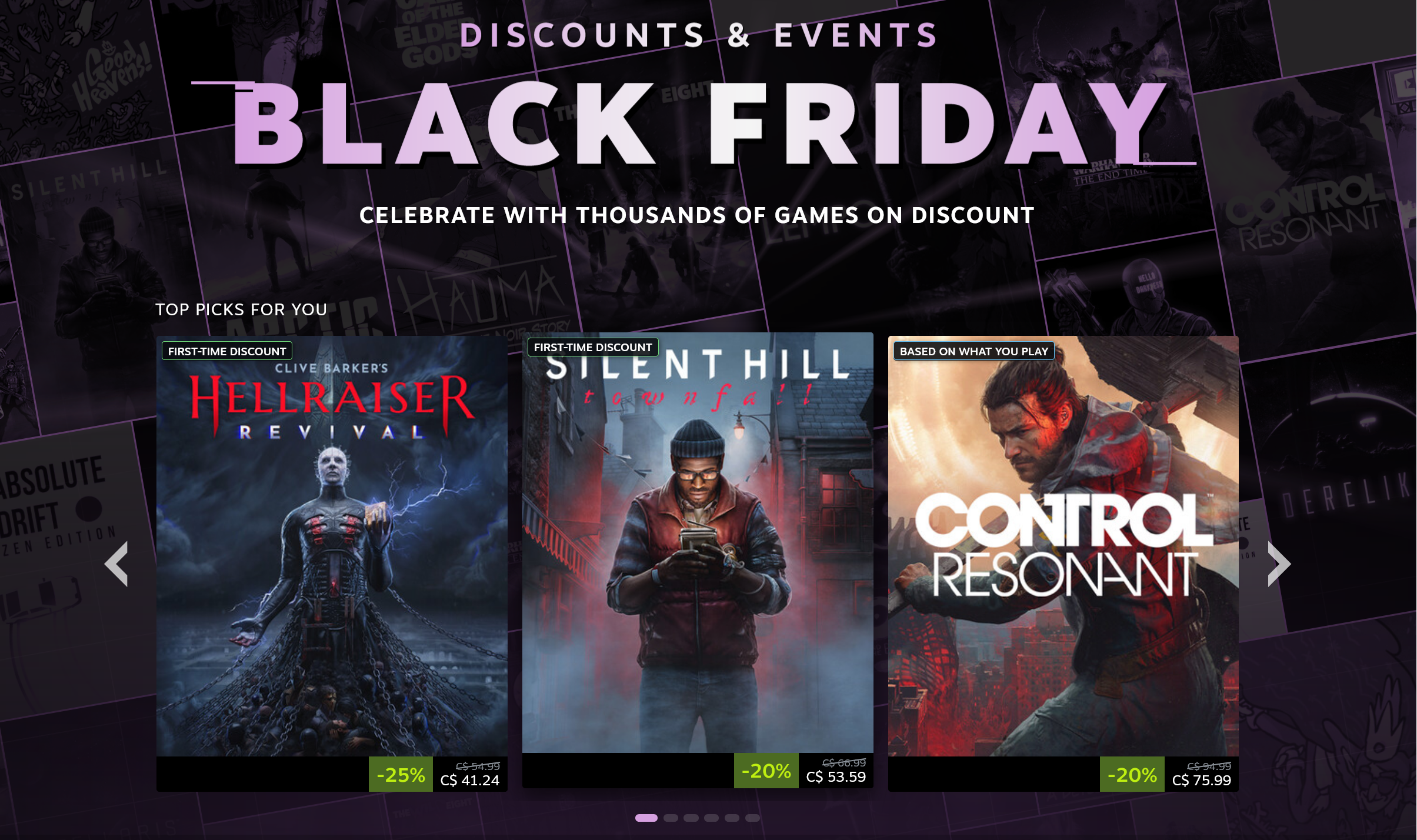
Steam isn’t doing ‘an official Black Friday fest,’ but it does have a page with hundreds of discounts and…

A New Approach to Seasonal Sales
Historically, Valve maintained a rigid structure for its seasonal sales, with the Autumn Sale typically occurring in late November, often overlapping with the traditional Black Friday shopping window. This proximity frequently led to consumer confusion and potential cannibalization of sales volume. However, in 2025, Valve executed a major realignment of its seasonal schedule, shifting the Autumn Sale to a significantly earlier window. This departure from the traditional calendar effectively created a vacuum in the late-November shopping period, which was filled last year by the platform’s inaugural, experimental Black Friday Sale.
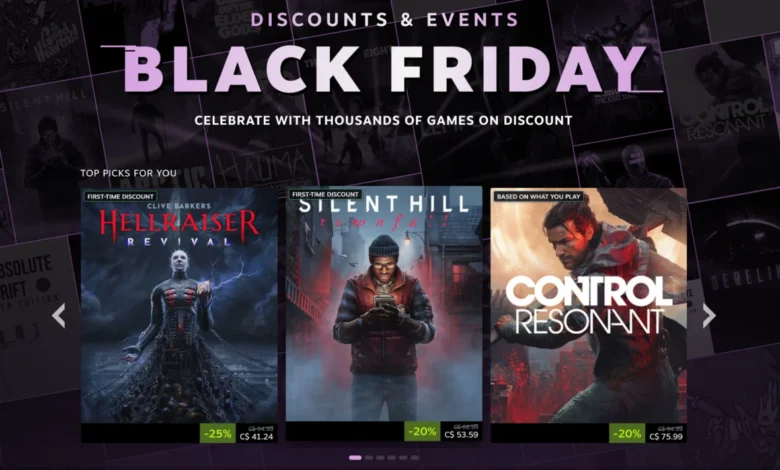
The current 2026 iteration suggests that Valve is moving away from the "event-based" model for Black Friday, opting instead to provide infrastructure for developers to manage their own promotional schedules. By "dressing up" the Discounts and Events page, Valve is leveraging its improved discovery algorithms to highlight these individual publisher discounts without the overhead or branding of a centralized, site-wide event. This pivot allows for more granular control, as individual game titles can now dictate their own promotional timelines, independent of a unified start or end date for a major store-wide sale.
The Evolution of the Steam Discovery Algorithm
The decision to eschew an official, branded Black Friday festival is deeply connected to broader changes in how Steam processes and displays content. In September 2026, Valve announced a comprehensive update to the Discounts and Events section of its storefront. This update was designed to move away from static, curated lists and toward a more personalized, data-driven experience. By utilizing advanced machine learning, the new interface prioritizes games that align with a user’s specific library history, wishlist activity, and playtime habits.

Valve’s official commentary regarding the current state of the store highlights that this holiday period is being used as a testing ground for these infrastructure improvements. According to the company, the high traffic associated with the Black Friday shopping weekend provides the ideal environment to demonstrate the efficacy of the revamped Discounts and Events page. By making the page more visually appealing and functionally robust, Valve aims to ensure that even in the absence of a "festival" banner, users remain engaged with the platform’s discounted offerings.
Chronology of Recent Changes
To understand the current landscape, it is necessary to examine the timeline of Valve’s recent strategic adjustments:
- Early 2025: Valve initiates a significant overhaul of its seasonal event calendar, responding to long-standing feedback regarding the proximity of the Autumn and Winter sales.
- Late 2025: Following the calendar shift, Valve introduces its first official Black Friday sale, testing the waters for a late-November promotional event.
- September 2026: Valve unveils a revamped Discounts and Events page, emphasizing personalized content and improved UI/UX for browsing game promotions.
- November 2026: Valve confirms that it will not host a branded Black Friday festival, opting instead to support developer-led discounts through its new, personalized discovery interface.
Data-Driven Implications for Developers and Gamers
The move toward decentralized, developer-led discounting holds several implications for the gaming market. For developers, this provides increased autonomy. Publishers can now align their discounts with specific milestones, such as game updates, anniversaries, or community events, rather than being forced to adhere to a rigid corporate schedule that may not align with their individual product life cycles.
For gamers, the lack of a singular, massive event means that discount availability is more staggered. For instance, while some titles might offer deep discounts ending on November 30, others—such as Outer Wilds or Esoteric Ebb—have set promotional windows that extend well into early December. This creates a "long-tail" effect, where the promotional season feels more continuous rather than punctuated by a single, high-intensity shopping weekend.

From an economic standpoint, this model potentially mitigates the server strain and consumer fatigue often associated with "flash sale" events. By smoothing out the demand, Valve may be looking to improve the stability of its services during peak shopping periods. Furthermore, the personalized nature of the new page ensures that developers are more likely to reach their target demographic, potentially leading to higher conversion rates than a one-size-fits-all banner would achieve.
Analysis of the "Non-Event" Strategy
The "wink-wink, nudge-nudge" nature of Valve’s messaging regarding the absence of an official event is a hallmark of the company’s understated communication style. By framing the current period as a "perfect time to share the updates we’ve been working on," Valve effectively manages expectations while maintaining the utility of the store for users seeking deals.
There is also a clear competitive aspect to this strategy. As digital storefronts continue to fragment, Valve’s focus on discovery tools rather than simple discount banners is a way to maintain its position as the primary platform for PC gaming. If the platform can successfully transition users to a system where they rely on personalized algorithmic feeds to find sales, it effectively reduces the need for constant, platform-wide marketing campaigns.
However, there is an inherent risk in this approach. By removing the "festival" branding, Valve loses a degree of marketing visibility that typically characterizes the Black Friday period. Consumers accustomed to high-profile seasonal sales might perceive the lack of a titled event as a reduction in value, even if the actual number of discounts on the platform remains high or even increases.
Future Outlook
Looking forward, the success of this strategy will likely be measured by user engagement metrics on the newly updated Discounts and Events page. If the personalized recommendations lead to increased sales volume for smaller, indie, and mid-tier titles, it is probable that Valve will continue to move further away from massive, uniform sales events.
The industry is watching closely to see if other major digital retailers will follow suit. The shift away from centralized, calendar-based sales toward personalized, evergreen promotion feeds represents a maturing of the digital gaming market. As the volume of games on Steam continues to grow, the ability to effectively filter and present relevant sales becomes more valuable than the simple existence of a site-wide sale event.
For the remainder of the 2026 holiday season, users can expect to navigate a more fragmented, yet highly targeted, shopping experience. While the official "Black Friday" title is absent, the underlying infrastructure of the platform is working harder than ever to connect users with the content they are most likely to purchase. Whether this proves to be a more effective model for long-term consumer retention remains to be seen, but for now, it marks a significant, calculated shift in the way the world’s largest PC gaming platform handles its most critical commercial window.