EA and Developer Full Circle Restructure Skate Live-Service Model to Drop Seasons and Battle Pass

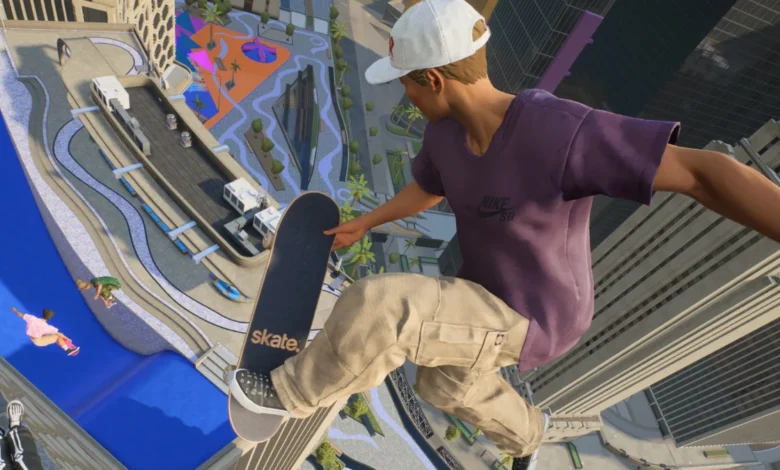
Electronic Arts and development studio Full Circle have announced a major operational shift for the long-awaited title Skate (stylized as skate.), moving away from traditional seasonal content models and eliminating its battle pass system entirely. The decision marks a significant pivot in the live-service strategy for the skateboarding franchise, which is currently accessible to players in an ongoing Early Access phase. According to the studio, the structural overhaul is designed to replace rigid update schedules with agile, continuous content drops, allowing developers to deliver features and experimental mechanics directly to the player base without waiting for quarterly or seasonal milestones.
The fifth and final structured season of Skate is officially scheduled to conclude on December 1. Following this milestone, Full Circle will abandon the traditional seasonal cadence in favor of a flexible update pipeline. As part of this transition, the game’s version of a seasonal battle pass, known as the skate.Pass, will be permanently retired by the end of the year. The development team has confirmed that Update 0.33.1 will serve as the inaugural release of this post-season era, setting a new precedent for how the game will receive content moving forward.
Background Context and Evolution of the Franchise
The latest structural changes arrive against the backdrop of a heavily anticipated and prolonged development cycle for the Skate franchise. The original Skate trilogy, developed by EA Black Box, debuted between 2007 and 2010, earning critical acclaim and a dedicated global following for its innovative "Flicking" control scheme—known as FlickIt—which utilized analog sticks to simulate board physics rather than relying on traditional button-mashing mechanics. For over a decade, fans demanded a fourth installment, a wish that EA finally granted in June 2020 when the formation of Full Circle was announced. Based in Vancouver, British Columbia, the studio was built specifically to revive and steward the beloved skateboarding property.
In subsequent updates, EA and Full Circle revealed that Skate would adopt a free-to-play, live-service model, ensuring continuous support across multiple platforms including PC, PlayStation 4, PlayStation 5, Xbox One, and Xbox Series X/S. Rather than adhering to a traditional full-price release model, the developers opted for an Early Access framework, enabling community-driven development where players could actively test out unfinished mechanics, physics iterations, and social spaces within the fictional setting of San Vansterdam.
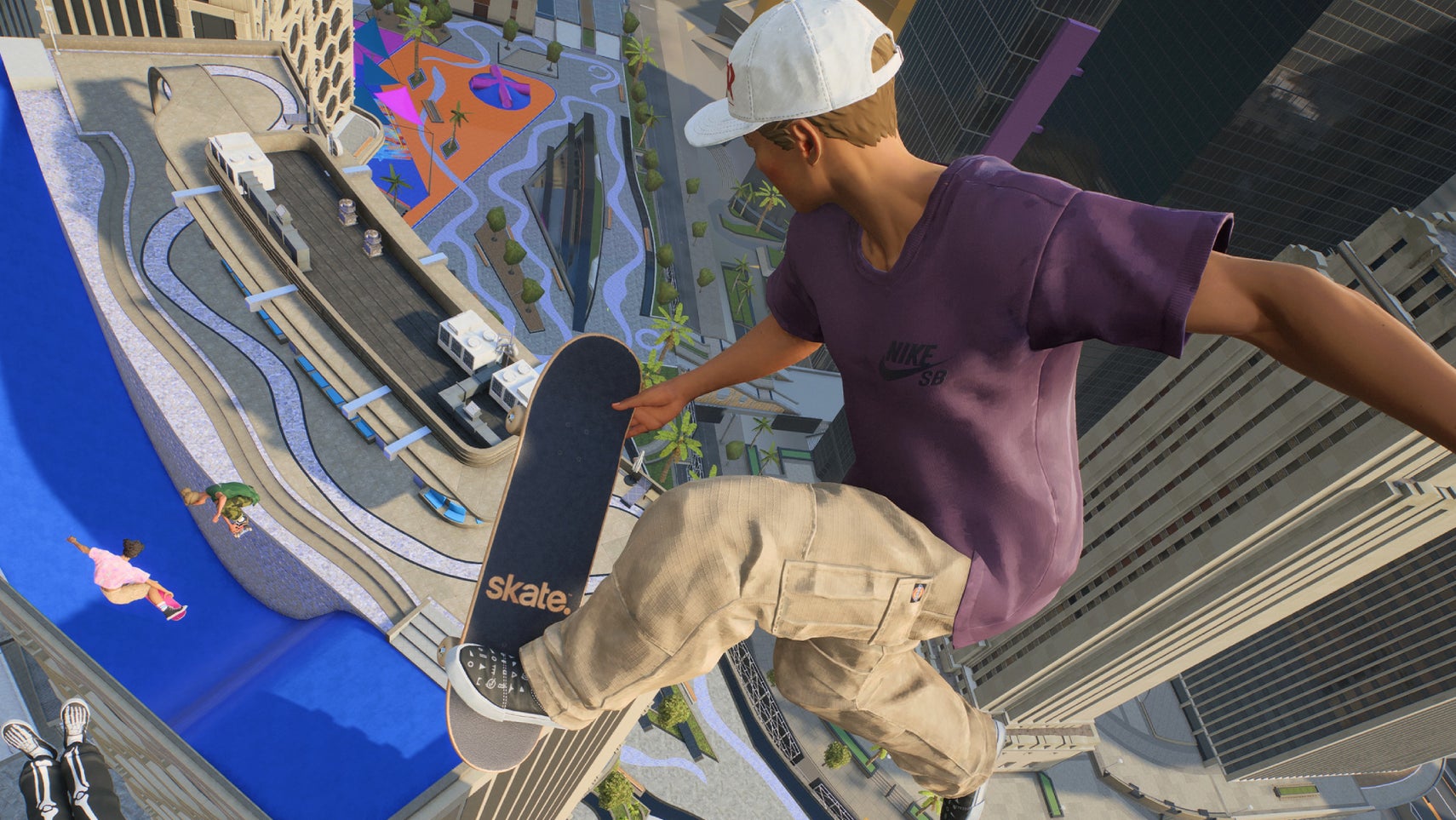
The Mechanics of the New Update Paradigm
Under the previous live-service framework, Skate relied heavily on a predictable seasonal structure common within modern multiplayer games. New features, cosmetic lines, map adjustments, and progression goals were routinely batched into major seasonal updates. However, Full Circle representatives explained that this rigid structure inadvertently created bottlenecks, delaying the rollout of completed features simply because they did not align with a specific seasonal launch window.
By dismantling the seasonal pipeline, Full Circle intends to accelerate its development feedback loop. The studio noted that the new agile methodology will allow work-in-progress mechanics to reach the public much earlier in their lifecycle. This approach mirrors testing philosophies already utilized by the team during recent internal and external test phases for features such as Spot Battles, Block Parties, and Proximity (Prox) Chat. By introducing these features in raw or experimental states, developers can directly aggregate telemetry data and community sentiment, shaping the urban playground of San Vansterdam in real time based on player engagement.
Retirement of the skate.Pass and Monetization Revisions
One of the most notable consumer-facing changes accompanying the structural pivot is the elimination of the skate.Pass. Similar to battle passes popularized by titles like Fortnite and Apex Legends, the skate.Pass required players to grind through tier-based progression systems to unlock cosmetic items and in-game rewards. Critics and players frequently expressed skepticism regarding how such monetization frameworks would integrate into a skateboarding sandbox, arguing that restrictive progression paths conflicted with the open-ended, exploratory nature of skateboarding culture.
Alongside the removal of the pass, Full Circle is fundamentally rethinking the overarching progression system of the game. Furthermore, the in-game currency known as Tix is being phased out, simplifying the economy. In a move likely to be well-received by the community, developers have confirmed that certain maps and environments will no longer be locked behind strict paywalls. While Skate will retain real-money microtransactions and a dedicated cosmetics store to sustain its free-to-play business model, the removal of aggressive live-service gating mechanisms demonstrates an effort to balance monetization with player goodwill.

Industry Implications and Future Outlook
The decision by EA and Full Circle to pull back on traditional live-service elements reflects a broader industry trend. In recent years, players and developers alike have experienced "battle pass fatigue," prompting several major studios to rethink how they monetize and update ongoing titles. Rigid seasonal schedules often place immense pressure on development teams to churn out content at an unsustainable pace, frequently resulting in burnout, delayed patches, or content that feels padded and uninspired.
For Skate, adopting an agile development pipeline could mitigate these pressures while simultaneously keeping the community engaged through frequent, iterative updates. Because the game remains in an Early Access state, the absence of rigid seasonal boundaries provides Full Circle with the necessary latitude to pivot development priorities based on what actually resonates with the user base.
As the December 1 deadline for Season 5 approaches, attention will turn toward the deployment of Update 0.33.1 and the initial rollout of the post-season framework. How Full Circle handles player progression, cosmetic acquisition, and map availability in the absence of the skate.Pass will serve as a crucial test for the long-term viability of the project. If successful, the model could offer a viable blueprint for other live-service games attempting to balance monetization, developmental transparency, and community-driven design in an increasingly competitive market.