es Public Desire to Lead a New Castlevania Project in Partnership with Konami
The landscape of action video games has been set abuzz following recent remarks by industry veteran Hideki Kamiya, who openly stated his ambition to helm a new entry in Konami’s iconic Castlevania franchise. Known globally for his visionary direction on benchmark titles such as Bayonetta, Devil May Cry, Resident Evil 2, and Okami, Kamiya made the passionate pitch during a broadcast on his personal YouTube channel. While the commentary originates from footage recorded last year, the resurfaced statement has ignited fervent discussions within the gaming community regarding the potential revitalization of classic intellectual properties through legendary creative partnerships.
The prospect of a Kamiya-led Castlevania comes at a time when the acclaimed director is heavily occupied with major development commitments. Currently spearheading the production of Okami 2 at his newly established independent studio, Clovers—following a high-profile announcement at The Game Awards—Kamiya’s schedule remains tightly packed. Consequently, any prospective collaboration with Konami to hunt vampires and traverse Dracula’s castle would remain dormant for the foreseeable future. Nevertheless, Kamiya’s direct call to action has resonated loudly across the industry. "We’ll definitely make Castlevania," Kamiya remarked during his video broadcast. "If you let us work on it, we can make something truly insane, so just contact us and we’ll be at your service."
A Storied Career Defined by Action and Innovation
Hideki Kamiya’s pedigree in the action-adventure and character-action genres is second to few. Rising to prominence during his tenure at Capcom, Kamiya directed the seminal Resident Evil 2 (1998), establishing a gold standard for survival horror pacing and narrative design. He subsequently revolutionized the hack-and-slash genre by creating the original Devil May Cry (2001), a title that birthed the modern stylish-action subgenre.
Following his departure from Capcom to join Clover Studio, Kamiya directed the critically adored mythological masterpiece Okami (2006) and the unique action strategy game The Wonderful 101. As a co-founder of PlatinumGames, he further cemented his status as an industry titan by directing the groundbreaking action epic Bayonetta (2009). His distinct directorial style is characterized by high-octane combat mechanics, grandiose set pieces, and a meticulous attention to mechanical responsiveness, traits that many industry analysts note would align seamlessly with the gothic, fast-paced nature of the Castlevania universe.
Beyond his aspirations for Castlevania, Kamiya has recently demonstrated a persistent interest in revisiting dormant franchises from his past. In other public statements, the director has maintained that he is "100% serious" about reviving Scalebound, the high-profile action role-playing game originally developed for Xbox One before its cancellation in 2017. These repeated overtures suggest a broader creative philosophy focused on breathing new life into classic concepts through modern development standards and auteur-driven vision.
Konami’s Modern Strategy for the Castlevania Franchise
While Kamiya’s pitch represents an external desire from a prominent creator, Konami has not left its venerable vampire-hunting franchise gathering dust. In recent years, the publisher has signaled a strategic shift toward revitalizing its historical intellectual properties. Earlier this year, Konami officially confirmed that "numerous new products around Castlevania" are actively moving through its production pipeline, signaling a concerted corporate effort to reintroduce the gothic series to contemporary audiences.
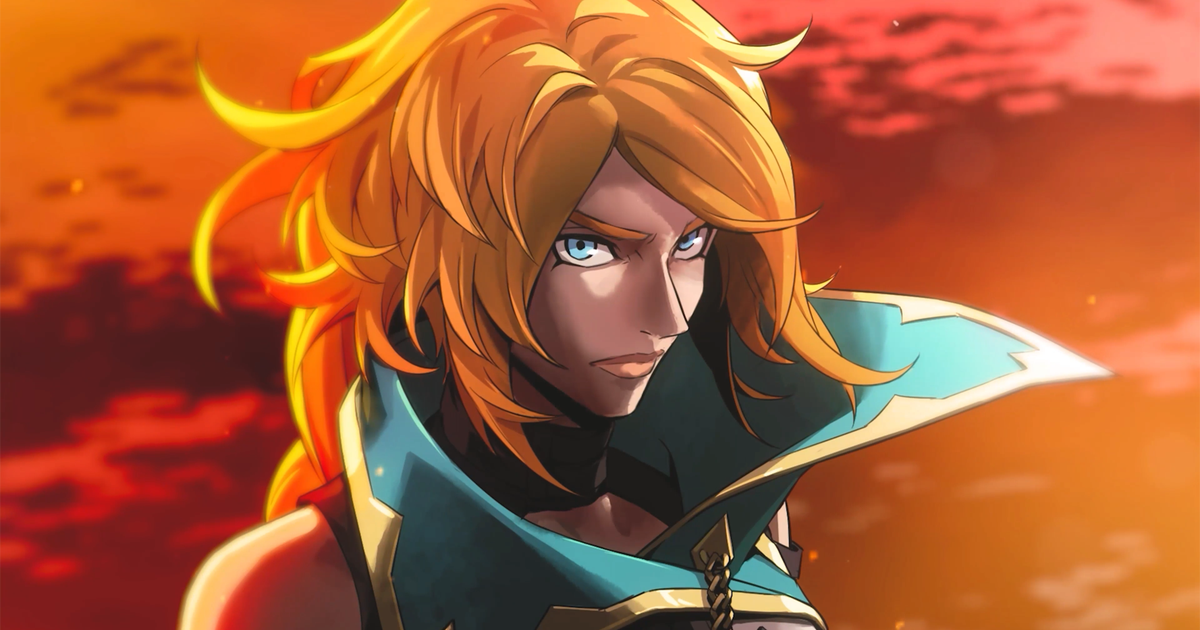
This multi-pronged revival strategy encompasses various mediums and external partnerships. Most notably, developer Evil Empire—celebrated for its work on the critically acclaimed rogue-lite Dead Cells—recently released Castlevania: Belmont’s Curse. The title introduced a fresh, aggressive action-platforming perspective to the universe, showcasing Konami’s willingness to collaborate with talented external studios to interpret the franchise’s rich legacy.
Critical reception to Belmont’s Curse highlighted the delicate balance required when handling such a historic property. Reviewers noted that while the title exhibited immense intelligence, technical polish, and earnest ambition, it occasionally struggled to navigate the colossal shadow cast by decades of industry-defining predecessors. This context underscores the potential appeal of bringing in a veteran director like Kamiya, whose distinct creative voice has historically succeeded in redefining established genre tropes.

Industry Implications and the Road Ahead
The prospect of a union between Hideki Kamiya and Konami opens significant avenues for speculation regarding industry trends and corporate partnerships. In recent years, major Japanese publishers such as Capcom, Square Enix, and Konami have increasingly leaned into strategic outsourcings, remakes, and collaborations with independent creators to maximize the value of their historical catalogs.
For Konami, engaging with tier-one talent like Kamiya could provide the prestige and mechanical innovation necessary to deliver a definitive, modern Castlevania console experience capable of appealing to both nostalgic veterans and a new generation of gamers. However, significant logistical hurdles remain. With Clovers fully dedicated to the production of Okami 2 under Kamiya’s direct supervision, any potential Castlevania project would likely remain in the conceptual phase for years, pending official communication and formal contract negotiations between the respective corporate entities.
As the gaming landscape continues to witness the resurrection of beloved franchises through auteur-driven leadership, Kamiya’s public appeal serves as a reminder of the enduring cultural impact of Castlevania. Whether Konami chooses to pick up the gauntlet and answer the director’s call remains to be seen, but the dialogue alone underscores the powerful synergy that can occur when legendary creators set their sights on classic gaming iconography.
Related posts: